
Research Lab Results
-
James Sham Lab
Research in the James Sham Lab focuses on pulmonary arteries. Studies include local calcium signaling in the pulmonary arteries and transient receptor potential (TRP) channels in pulmonary arterial smooth muscle cells. We’re also interested in calcium regulation in chronic hypoxic pulmonary hypertension.
-
Jamie Murphy Lab
The Jamie Murphy Lab conducts research on post-cesarean section pain management and post-partum hemorrhage. We also explore topics around post-partum analgesia.
-
Janet Record Lab
Research in the Janet Record Lab focuses on medical education and patient-centered care. We’re currently developing a curriculum for internal medicine residents in the inpatient general medicine service setting. The curriculum teaches residents to use hand-carried ultrasound for imaging the inferior vena cava to assess volume status.
-
Janet Siliciano Lab
Research in the Janet Siliciano lab focuses on HIV. Areas of study include CD4-positive T lymphocytes, virus latency and highly active antiretrovirals. We recently explored the challenges of detecting HIV persistence during potentially curative interventions and the multifactorial nature of HIV-1 latency.
-
Janet Staab Lab
The Janet Staab Lab performs basic and translational studies to understand bacterial and fungal/host interactions utilizing human intestinal organoids and colon cancer cell lines.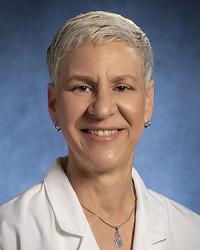
-
Jantzie Lab
Lauren Jantzie, professor of pediatrics and vice chair of research for the Department of Pediatrics, received her Ph.D. in neurochemistry from the University of Alberta in 2008. In 2013 she completed her postdoctoral fellowship in the Department of Neurology at Boston Children's Hospital & Harvard Medical School and became faculty at the University of New Mexico. Dr. Jantzie then joined the faculty Departments of Pediatrics (Neonatal-Perinatal Medicine) and Neurology at Johns Hopkins University and the Kennedy Krieger Institute in January 2019.
The Jantzie lab investigates the pathophysiology of encephalopathy of prematurity, and pediatric brain injury common to infants and toddlers. Dr. Jantzie is dedicated to understanding disease processes in the developing brain as a means to identifying new therapeutic strategies and treatment targets for perinatal brain injury. Her lab studies neural substrates of cognition and executive function, inhibitory circuit formation, the role of an abnormal intrauterine environment on brain development, mechanisms of neurorepair and microglial activation and polarization.
Using a diverse array of clinically relevant techniques such as MRI, cognitive assessment, and biomarker discovery, combined with traditional molecular and cellular biology, the Jantzie lab is on the front lines of translational pediatric neuroscience.
-
Jean Kim Lab
The Jean Kim Laboratory performs translational research in the area of chronic rhinosinusitis, with a niche interest in the pathogenesis of hyperplastic nasal polyposis. Studies encompass clinical research to basic wet laboratory research in studying the underlying immune and autoimmune mediated mechanism of polyp growth and perpetuation of disease. Human cell and tissue culture models are used. Techniques in the laboratory include cell and tissue culture, real time PCR, immunoblot, ELISA, flow cytometry, immunohistochemistry, electron microscopy, gene array analysis, and other molecular approaches including genetic knockdowns. Approaches used in Dr. Kim’s clinical study designs include prospective and retrospective analysis of patient outcomes and clinical biomarkers, as wells controlled clinical trials.
-
Jeanne Clark Lab: GIM Research
Research in the Jeanne Clark Lab covers a wide range of fields, employing various research techniques, methods and procedures to generate and disseminate the knowledge required to prevent disease and its consequences. Our most recent research program, Look AHEAD, focuses on the health of overweight volunteers with type 2 diabetes. We are examining the long-term effects of an intensive lifestyle intervention program designed to achieve and maintain weight loss by decreased caloric intake and increased physical activity. -
Jeff Bulte Lab
The clinical development of novel immune and stem cell therapies calls for suitable methods that can follow the fate of cells non-invasively in humans at high resolution. The Bulte Lab has pioneered methods to label cells magnetically (using tiny superparamagnetic iron oxide nanoparticles) in order to make them visible by MR imaging. While the lab is doing basic bench-type research, there is a strong interaction with the clinical interventional radiology and oncology groups in order to bring the methodologies into the clinic.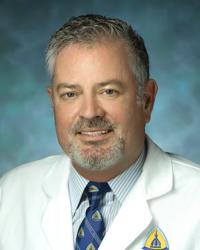
-
Jeffrey Dodd-o Lab
Research in the Jeffrey Dodd-o Lab aims to better understand the contributing factors of lung ischemia/reperfusion injuries and the role these injuries play in the lung dysfunction of patients soon after cardiopulmonary bypass surgery. We have created an ischemia/reperfusion model in a spontaneously breathing mouse that they use with an in situ mouse lung preparation to identify cardiopulmonary interactions that impact reperfusion-related lung injury. We are working to characterize the influence of atrial natriuretic peptide (ANP) on lung microvascular permeability.