Research Lab Results
-
Florin Selaru Lab
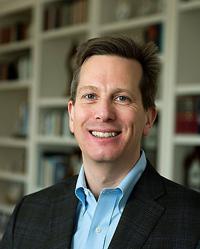
Dr. Florin Selaru is the director of the Johns Hopkins Inflammatory Bowel disease Center and the research interests in the Selaru Lab comprise the molecular changes associated with the transition from inflammatory states in the GI tract (colon, stomach, biliary tree) to frank cancers. In addition, our current research funded by the AGA, FAMRI and the Broad Foundation works to further the understanding of cancer development and progression in the gastrointestinal tract. Additional areas of investigation include collaboration with biomedical engineers to develop novel compounds for the treatment of IBD associated fistulizing disease, as well as new techniques for administering medications directly to inflamed GI tissues.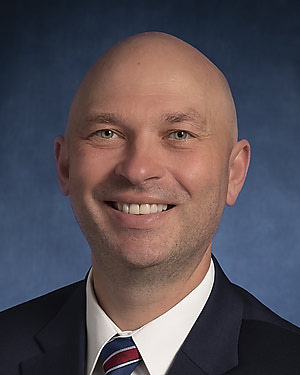
-
Follow the Leader: Specialized Cancer Cells Lead Collective Invasion (Ewald Lab)
Research in the Ewald laboratory starts from a simple question: Which cells in a breast tumor are the most dangerous to the patient and most responsible for metastatic disease? To answer this question, we developed novel 3-D culture assays to allow real-time analysis of invasion. Our data reveal that K14+ cancer cells play a central role in metastatic disease and suggest that the development of clinical strategies targeting these cells will provide novel breast cancer treatments. -
Foster Lab
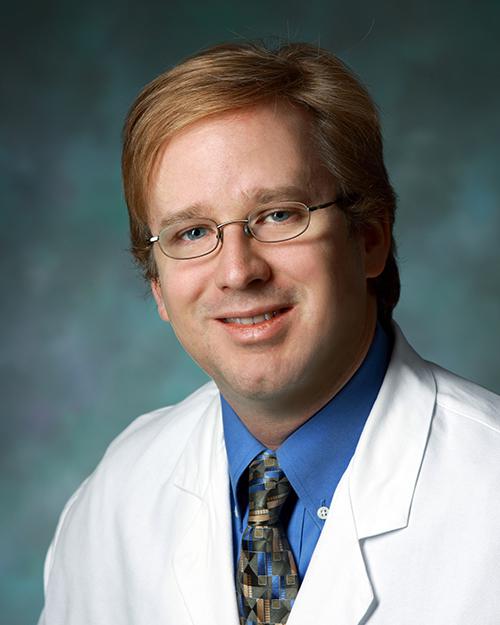
The Foster Lab uses the tools of protein biochemistry and proteomics to tackle fundamental problems in the fields of cardiac preconditioning and heart failure. Protein networks are perturbed in heart disease in a manner that correlates only weakly with changes in mRNA transcripts. Moreover, proteomic techniques afford the systematic assessment of post-translational modifications that regulate the activity of proteins responsible for every aspect of heart function from electrical excitation to contraction and metabolism. Understanding the status of protein networks in the diseased state is, therefore, key to discovering new therapies. D. Brian Foster, Ph.D., is an assistant professor of medicine in the division of cardiology, and serves as Director of the Laboratory of Cardiovascular Biochemistry at the Johns Hopkins University School of Medicine. -
Franck Housseau Lab
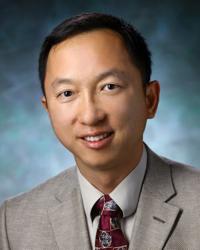
The Franck Housseau Lab focuses on the role of the microbiome in colorectal tumorigenesis and on developing a better understanding of the tumor immune microenvironment. The lab is currently working to define the biomarkers of a pre-existing antitumor immune response in metastatic colorectal cancer to define a population of patients eligible for checkpoint blockade therapies. -
Franco D’Alessio Lab
The Franco D’Alessio Lab investigates key topics within the fields of critical care, internal and pulmonary medicine. We primarily explore immunological determinants of acute lung inflammation and repair. Our lab also investigates age-dependent lung immune response in patients with acute lung injury and acute respiratory distress syndrome (ARDS), regulatory T-cells in lung injury and repair, and modulation of alveolar macrophage innate immune response in ARDS. -
Frederick Anokye-Danso Lab
The Frederick Anokye-Danso Lab investigates the biological pathways at work in the separation of human pluripotent stem cells into adipocytes and pancreatic beta cells. We focus in particular on determinant factors of obesity and metabolic dysfunction, such as the P72R polymorphism of p53. We also conduct research on the reprogramming of somatic cells into pluripotent stem cells using miRNAs.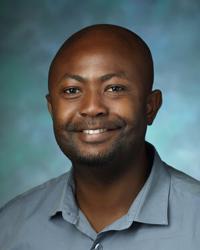
-
Frederick Sieber Lab
The Frederick Sieber Lab studies the impact of sedation on geriatric surgical patients—especially those undergoing orthopaedic or pelvic procedures—with the goal of preventing postoperative delirium. We are using electroencephalography to investigate the effect of sedation depth during spinal anesthesia. We are also working to determine the effects of using propofol for sedation in elderly patients as well as the effects of robotics and surgical positioning on cerebral blood flow. -
Fredrick Wigley Lab
The Frederick Wigley Lab is interested in the signs, symptoms and causes of scleroderma. We are testing new treatments for RaynaudÕs phenomenon and scleroderma. Understanding the treatment approach to Raynaud's phenomenon and associated ischemia and how to prevent digital ulcers is important for clinicians caring for these patients. Work in our lab has provided guidance in the management of Raynaud's phenomenon and digital ischemic ulcers, including options for the practical pharmacologic and nonpharmacologic interventions.
-
Frueh Laboratory
The Frueh Laboratory uses nuclear magnetic resonance (NMR) to study how protein dynamics can be modulated and how active enzymatic systems can be conformed. Non-ribosomal peptide synthetases (NRPS) are large enzymatic systems that biosynthesize secondary metabolites, many of which are used by pharmaceutical scientists to produce drugs such as antibiotics or anticancer agents. Dr. Frueh's laboratory uses NMR to study inter- and intra-domain modifications that occur during the catalytic steps of NRPS. Dr. Frueh and his team are constantly developing new NMR techniques to study these complicated enzymatic systems. -
Fu Lab
The Fu Lab is a basic research lab that studies zinc transport, with a particular focus on which step in the zinc transport process may be modulated and how. Dr. Fu's lab uses parallel cell biology and proteomic approaches to understand how these physiochemical principles are applied to mammalian zinc transporters and integrated to the physiology of pancreatic beta cells. This research has implications for understanding how zinc transport is related to diabetes and insulin intake.