Research Lab Results
-
Andrew Lane Lab
The Lane laboratory is focused on understanding molecular mechanisms underlying chronic rhinosinusitis, particularly the pathogenesis of nasal polyps, as well as inflammation on the olfactory epithelium. Diverse techniques in molecular biology, immunology, and physiology are utilized to study epithelial cell innate immunity, olfactory loss, and response to viral infection. Ongoing work explores how epithelial cells of the sinuses and olfactory mucosa participate in the immune response and contribute to chronic inflammation. The lab creates and employs transgenic mouse models of chronic nasal/sinus inflammation to support research in this area. Collaborations are in place with the School of Public Health to explore mechanisms of anti-viral immunity in influenza and COVID-19.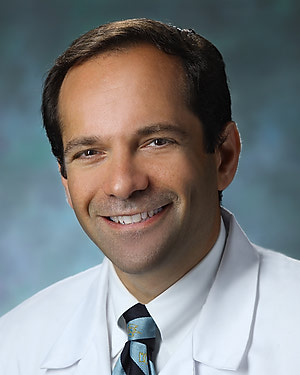
-
Jeremy Nathans Laboratory
The Jeremy Nathans Laboratory is focused on neural and vascular development, and the role of Frizzled receptors in mammalian development. We use gene manipulation in the mouse, cell culture models, and biochemical reconstitution to investigate the relevant molecular events underlying these processes, and to genetically mark and manipulate cells and tissues. Current experiments are aimed at defining additional Frizzled-regulated processes and elucidating the molecular mechanisms and cell biologic results of Frizzled signaling within these various contexts. Complementing these areas of biologic interest, we have ongoing technology development projects related to genetically manipulating and visualizing defined cell populations in the mouse, and quantitative analysis of mouse visual system function. -
Glowatzki Lab
Research in the Glowatzki Lab focuses on the auditory system, with a particular focus on synaptic transmission in the inner ear. Our lab is using dendritic patch clamp recordings to examine mechanisms of synaptic transmission at this first, critical synapse in the auditory pathway. With this technique, we can diagnose the molecular mechanisms of transmitter release at uniquely high resolution (this is the sole input to each afferent neuron), and relate them directly to the rich knowledge base of auditory signaling by single afferent neurons. We study pre- and post-synaptic mechanisms that determine auditory nerve fiber properties. This approach will help to study general principles of synaptic transmission and specifically to identify the molecular substrates for inherited auditory neuropathies and other cochlear dysfunctions. -
Dölen Lab
The Dölen lab studies the synaptic and circuit mechanisms that enable social behaviors. We use a variety of techniques including whole cell patch clamp electrophysiology, viral mediated gene transfer, optogenetics, and behavior. We are also interested in understanding how these synaptic and circuit mechanisms are disrupted in autism and schizophrenia, diseases which are characterized by social cognition deficits. More recently we have become interested in the therapeutic potential of psychedelic drugs for diseases like addiction and PTSD that respond to social influence or are aggravated by social injury, We are currently using both transgenic mouse and octopus to model disease. -
Dong Laboratory
The Dong Laboratory has identified many genes specifically expressed in primary sensory neurons in dorsal root ganglia (DRG). Our lab uses multiple approaches, including molecular biology, mouse genetics, mouse behavior and electrophysiology, to study the function of these genes in pain and itch sensation. Other research in the lab examines the molecular mechanism of how skin mast cells sensitize sensory nerves under inflammatory states.
-
Dwight Bergles Laboratory
The Bergles Laboratory studies synaptic physiology, with an emphasis on glutamate transporters and glial involvement in neuronal signaling. We are interested in understanding the mechanisms by which neurons and glial cells interact to support normal communication in the nervous system. The lab studies glutamate transport physiology and function. Because glutamate transporters play a critical role in glutamate homeostasis, understanding the transporters' function is relevant to numerous neurological ailments, including stroke, epilepsy, and neurodegenerative diseases like amyotrophic lateral sclerosis (ALS). Other research in the laboratory focuses on signaling between neurons and glial cells at synapses. Understanding how neurons and cells communicate, may lead to new approaches for stimulating re-myelination following injury or disease. Additional research in the lab examines how a unique form of glia-to-neuron signaling in the cochlea influences auditory system development, whether defects in cell communication lead to certain hereditary forms of hearing impairment, and if similar mechanisms are related to sound-induced tinnitus. -
Zanvyl Krieger Mind/Brain Institute
The Zanvyl Krieger Mind/Brain Institute is dedicated to the study of the neural mechanisms of higher brain functions using modern neurophysiological, anatomical and computational techniques. Our researchers use various approaches to understand information processing and its influence on perception, memory, abstract thought, complex behavior and consciousness. Systems and cognitive laboratories use neurophysiology, brain imaging and psychophysics to develop a quantitative, network-level understanding of cognitive information processing. Other researchers use analytical approaches such as system identification, dimensionality reduction, information theory and network modeling to understand information processing. Other areas of research in the Institute include the study of how visual and tactile information processing leads to perception and understanding of two- and three-dimensional objects. Another focus is on neural processing and recognition of speech and other complex sounds. Still other laboratories study neural mechanisms of attention, memory formation, motor learning, decision-making and executive control of behavior. -
Kathleen Cullen Lab
We are continually in motion. This self-motion is sensed by the vestibular system, which contributes to an impressive range of brain functions, from the most automatic reflexes to spatial perception and motor coordination. The objective of Dr. Cullen's lab's research program is to understand the mechanisms by which self-motion (vestibular) information is encoded and then integrated with signals from other modalities to ensure accurate perception and control of gaze and posture. Our studies investigate the sensorimotor transformations required for the control of movement, by tracing the coding of vestibular stimuli from peripheral afferents, to behaviorally-contingent responses in central pathways, to the readout of accurate perception and behavior. Our experimental approach is multidisciplinary and includes a combination of behavioral, neurophysiological and computational approaches in alert behaving non-human primates and mice. Funding for the laboratory has been and is provided by the Canadian Institutes for Health Research (CIHR), The National Institutes of Health (NIH), the National Sciences and Engineering Research Council of Canada (NSERC), FQRNT / FQRSC (Quebec). -
Laboratory for Computational Motor Control
The Laboratory for computational Motor Control studies movement control in humans, including healthy people and people with neurological diseases. We use robotics, brain stimulation and neuroimaging to study brain function. Our long-term goals are to use mathematics to understand: 1) the basic function of the motor structures of the brain including the cerebellum, the basal ganglia and the motor cortex; and 2) the relationship between how our brain controls our movements and how it controls our decisions. -
Neuroimaging and Modulation Laboratory (NIMLAB)
The neuroimaging and Modulation Laboratory (NIMLAB) investigates neural correlates of cognition and behavior using neuroimaging methods such as functional magnetic resonance imaging (fMRI) and neuromodulation techniques such as transcranial magnetic stimulation (TMS). We are looking in depth at the contributions of the cerebellum and cerebro-cerebellar circuits to cognition; the effects of chronic heavy alcohol consumption on cognition and brain activation underlying cognitive function; how aging in humans affects neural systems that are important for associative learning and stimulus awareness; and the integration of transcranial magnetic stimulation with functional MRI.