Research Lab Results
-
Chulan Kwon Laboratory
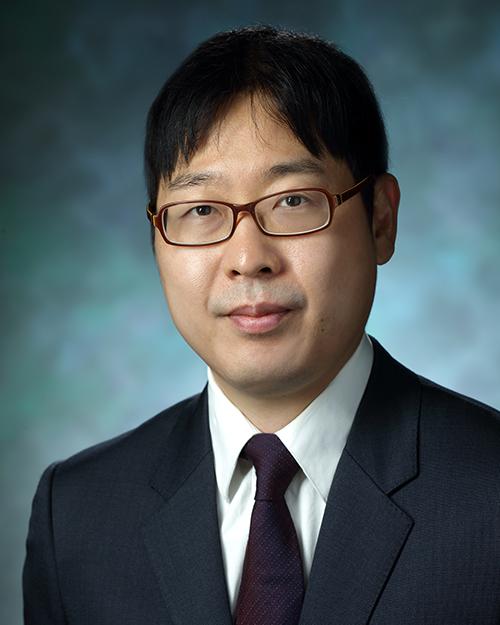
The C. Kwon Lab studies the cellular and molecular mechanisms governing heart generation and regeneration. The limited regenerative capacity of the heart is a major factor in morbidity and mortality rates: Heart malformation is the most frequent form of human birth defects, and cardiovascular disease is the leading cause of death worldwide. Cardiovascular progenitor cells hold tremendous therapeutic potential due to their unique ability to expand and differentiate into various heart cell types. Our laboratory seeks to understand the fundamental biology and regenerative potential of multi-potent cardiac progenitor cells – building blocks used to form the heart during fetal development — by deciphering the molecular and cellular mechanisms that control their induction, maintenance, and differentiation. We are also interested in elucidating the maturation event of heart muscle cells, an essential process to generate adult cardiomyocytes, which occurs after terminal differentiation of the progenitor cells. We believe this knowledge will contribute to our understanding of congenital and adult heart disease and be instrumental for stem cell-based heart regeneration. We have developed several novel approaches to deconstruct the mechanisms, including the use of animal models and pluripotent stem cell systems. We expect this knowledge will help us better understand heart disease and will be instrumental for stem-cell-based disease modeling and interventions for of heart repair. Dr. Chulan Kwon is an assistant professor of medicine at the Johns Hopkins University Heart and Vascular Institute. -
Chung-Ming Tse
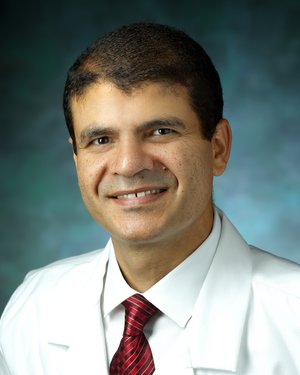
The Tse Lab does basic and translational research on the function and regulation of sodium/hydrogen exchange-2 isoform, and molecular biology of nucleoside transporters.
-
Gary Wand Lab
Research conducted in the Gary Wand Lab focuses on neuropsychoendocrinology; the neurobiology of substance abuse; physiogenetics and regulation of the stress response; and the relationship between stress and chemical dependency. Current studies seek to better understand the genetic determinants of the stress response and how excessive stress hormone production contributes to neurobiological disorders, including addiction.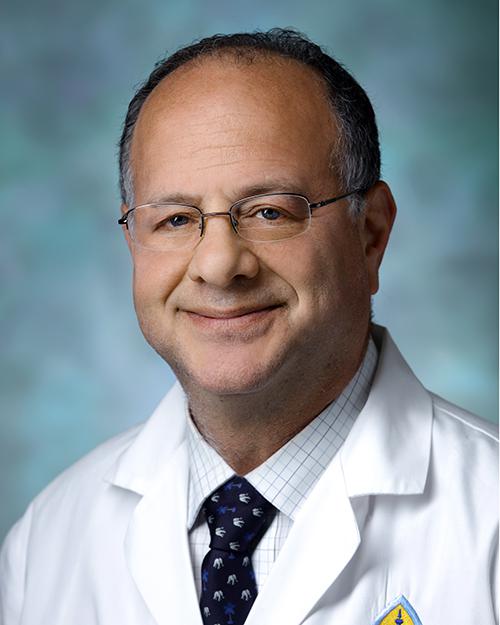
-
Goley Lab
The Goley Lab is broadly interested in understanding cellular organization and dynamic reorganization, with particular focus on the roles of the cytoskeleton in these phenomena. We use cell biological, biochemical, genetic and structural approaches to dissect cytoskeletal processes with the aim of understanding how they work in molecular detail. Currently, we are focused on investigating the mechanisms underlying cytokinesis in bacteria. A deep understanding of cytoskeletal function in bacteria will aid in the identification of targets for novel antibiotic therapies and in efforts in synthetic biology. -
Cammarato Lab
The Cammarato Lab is located in the Division of Cardiology in the Department of Medicine at the Johns Hopkins University School of Medicine. We are interested in basic mechanisms of striated muscle biology. We employ an array of imaging techniques to study “structural physiology” of cardiac and skeletal muscle. Drosophila melanogaster, the fruit fly, expresses both forms of striated muscle and benefits greatly from powerful genetic tools. We investigate conserved myopathic (muscle disease) processes and perform hierarchical and integrative analysis of muscle function from the level of single molecules and macromolecular complexes through the level of the tissue itself. Anthony Ross Cammarato, MD, is an assistant professor of medicine in the Cardiology Department. He studies the identification and manipulation of age- and mutation-dependent modifiers of cardiac function, hierarchical modeling and imaging of contractile machinery, integrative analysis of striated muscle performance and myopathic processes. -
Borahay Lab: Gynecologic and Fibroids Research
Dr. Borahay's lab focuses on understanding pathobiology, developing novel treatments, and carrying out high quality clinical trials for common gynecologic problems with a special focus on uterine fibroids. Our lab also investigates the causes and novel treatments for menstrual disorders such as heavy and irregular periods. In addition, Dr. Borahay’s team explores innovative approaches to minimally invasive gynecologic surgery, focusing on outpatient procedures with less pain and faster recovery times. -
Dhananjay Vaidya Lab
Research conducted in the Dhananjay Vaidya Lab focuses on the prevention of heart disease, with special emphasis on cardiometabolic risk factors, genetics in high-risk families, cardiovascular epidemiology, statistics and vascular biology. We also provide consultation on study design as well as plan and oversee data analyses for projects supported by the Center for Child and Community Health Research.
-
Doetzlhofer Laboratory - Center for Sensory Biology
Auditory hair cells, located in the inner ear cochlea, are critical for our ability to detect sound. Research in Dr. Doetzlhofer's laboratory focuses on ways to identify and characterize the molecular mechanisms of hair cell development in the mammalian auditory system. She is also seeking to identify the molecular roadblocks preventing mammalian hair cell regeneration.
-
Dong Laboratory
The Dong Laboratory has identified many genes specifically expressed in primary sensory neurons in dorsal root ganglia (DRG). Our lab uses multiple approaches, including molecular biology, mouse genetics, mouse behavior and electrophysiology, to study the function of these genes in pain and itch sensation. Other research in the lab examines the molecular mechanism of how skin mast cells sensitize sensory nerves under inflammatory states.
-
David Sullivan Lab
Research in the David Sullivan Lab focuses on malaria, including its diagnosis, treatment, molecular biology as it relates to iron, and pathology as it relates to severe anemia. We test and develop new malaria diagnostics — from real-time polymerase chain reaction (PCR) to novel urine and saliva detection platforms. This includes the adaptation of immuno-PCR (antibody coupled to DNA for PCR detection) to malaria and a lead blood stage drug that contains a quinine derivative used to treat malaria in the 1930s.