Research Lab Results
-
Janet Siliciano Lab
Research in the Janet Siliciano lab focuses on HIV. Areas of study include CD4-positive T lymphocytes, virus latency and highly active antiretrovirals. We recently explored the challenges of detecting HIV persistence during potentially curative interventions and the multifactorial nature of HIV-1 latency.
-
Joel Blankson Lab
Work in the Joel Blankson Lab explores the mechanism of control of HIV-1 replication in a cohort of patients known as elite controllers or elite suppressors. These patients are HIV-1 seropositive but maintain levels of viremia that are below the limit of detection of standard clinical assays. We feel that elite suppressors represent a potential model for a therapeutic HIV vaccine. Our central hypothesis is that many of these patients are infected with fully replication-competent HIV-1 isolates that are held in check by the immune system. To test this hypothesis, we are studying many different host and viral factors in these patients.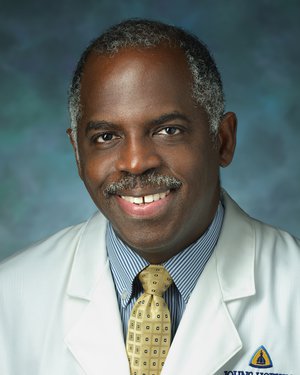
-
Joseph Mankowski Lab
The Joseph Mankowski Lab studies the immunopathogenesis of HIV infection using the SIV/macaque model. Our researchers use a multidisciplinary approach to dissect the mechanism underlying HIV-induced nervous system and cardiac diseases. Additionally, we study the role that host genetics play in HIV-associated cognitive disorders.
Principal Investigator
Department
-
Jonathan Golub Lab
Research in the Jonathan Golub Lab focuses primarily on the epidemiology of tuberculosis (TB), specifically in patients infected with HIV. We work with the CDC to explore potential delays in TB diagnoses as well as the risk factors that contribute to death from TB in the United States. Our research also includes ongoing studies of HIV and TB patients in Brazil and South Africa.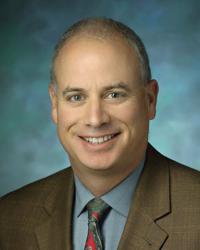
-
Joseph Margolick Lab
Research in the Joseph Margolick Lab focuses on the many effects of HIV/AIDS on human health. We are particularly interested in the mechanisms of T-cell loss and preservation among people infected with HIV and the evaluation of human immune functions.
-
Jeremy Sugarman Lab
Research in the Jeremy Sugarman Lab focuses on biomedical ethics—particularly, the application of empirical methods and evidence-based standards to the evaluation and analysis of bioethical issues. Our contributions to medical ethics and health policy include work on the ethics of informed consent, umbilical cord blood banking, stem cell research, international HIV prevention research, global health and research oversight. -
JHU NIMH Research Center
The Johns Hopkins NIMH Center is comprised of an interdisciplinary research team who has pooled their talents to study the nature of HIV-associated neurocognitive disorders (HAND). Their aim is to translate discoveries of the pathophysiological mechanisms into novel therapeutics for HAND.Our objectives are to integrate aspects of ongoing research in HAND and SIV encephalitis; to develop high-throughput and screening assays for identifying novel therapeutic compounds; to use proteomics and lipidomics approaches to indentifying surrogate markers of disease activity; to disseminate information and education about HAND through existing and new educational systems, including the JHU AIDS Education Training Center and the JHU Center for Global Clinical Education and to facilitate the entry of new investigators into neuro-AIDS research, and to catalyze new areas of research, particularly where relevant for drug discovery or the development of validated surrogate markers. -
Christian Merlo Lab
Work in the Christian Merlo Lab includes studies on pulmonary arteriovenous malformations, outcomes in lung transplantation and treatment of cystic fibrosis (CF), and HIV-related pulmonary disease. We have studied methods of diagnosing and managing pulmonary arteriovenous malformations as well as the outcomes of adult CF patients who are infected with multiple antibiotic-resistant Pseudomonas aeruginosa. Our recent research has also explored recipient and donor variables in the success or failure of lung transplants, and ways in which national healthcare delivery systems impact lung transplant outcomes for CF patients.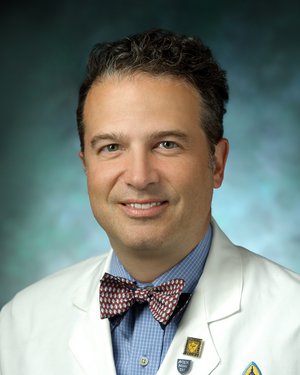
-
Christine Durand Lab
Dr. Christine Durand, assistant professor of medicine and oncology and member of the Johns Hopkins Kimmel Cancer Center, is involved in clinical and translational research focused on individuals infected with HIV and hepatitis C virus who require cancer and transplant therapies. Her current research efforts include looking at outcomes of hepatitis C treatment after solid organ transplant, the potential use of organs from HIV-infected donors for HIV-infected solid organ transplant candidates, and HIV cure strategies including bone marrow transplantation. Dr. Durand is supported by multiple grants: • R01 from the National Institute of Allergy and Infectious Diseases (NIAID) to study HIV-to-HIV organ transplantation in the US. • K23 from the National Cancer Institute (NCI) to study antiretroviral therapy during bone marrow transplant in HIV-1 infection. • U01 from the NIAID to study HIV-to-HIV deceased donor kidney transplantation. U01 from the NIAID to study HIV-to-HIV deceased donor liver transplantation.
-
Craig W. Hendrix Lab
Research in the Craig W. Hendrix Lab concentrates on the chemoprevention of HIV infection, clinical pharmacology of antiviral drugs, drug interactions, and oral, topical and injectable HIV microbicide development. Our lab conducts small, intensive sampling studies of PK and PD of drugs for HIV prevention with a focus on developing methods to better understand HIV and drug distribution in the male genital tract, female genital tract and lower gastrointestinal tract. We also support numerous HIV pre-exposure prophylaxis development studies from phase I to phase III, largely as leader of the Pharmacology Core Laboratory of both the Microbicide Trial Network and HIV Prevention Trials Network.