Research Lab Results
-
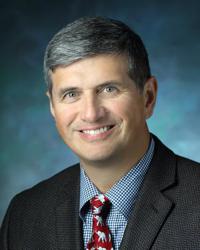
David Sack Lab
Research in the David Sack Lab focuses on enteric infections. Our team has worked to develop laboratory detection methods to better understand the epidemiology of these agents. We also work to create appropriate clinical management strategies, such as antibiotics and rehydration methods, for enteric infections. Our work has included participating in the development of vaccines for a range of bacterial infections, including rotavirus, cholera and enterotoxigenic E. coli. -
David Shade Lab
Areas of research in the David Shade Lab include data-management methods for clinical research, design and conduct of clinical trials, and internet usage for data acquisition and distribution.
-
David Sullivan Lab
Research in the David Sullivan Lab focuses on malaria, including its diagnosis, treatment, molecular biology as it relates to iron, and pathology as it relates to severe anemia. We test and develop new malaria diagnostics — from real-time polymerase chain reaction (PCR) to novel urine and saliva detection platforms. This includes the adaptation of immuno-PCR (antibody coupled to DNA for PCR detection) to malaria and a lead blood stage drug that contains a quinine derivative used to treat malaria in the 1930s.
-
David Thomas Lab
The David Thomas Lab oversees clinical research projects that aim to understand the natural history and pathogenesis of hepatitis C virus infection. A special area of clinical and research focus is liver disease in HIV-infected people.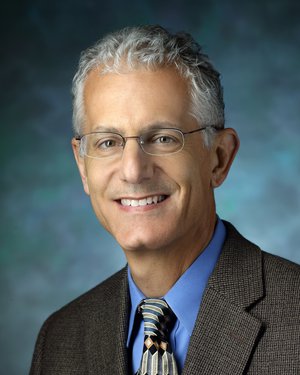
-
David Thompson Lab
Researchers in the David Thompson Lab examine the outcomes of patients treated in intensive care units (ICUs), patient safety efforts, quality improvement efforts, and multidisciplinary teamwork and safety curriculum development. We're taking part in a study aimed at reducing hospital-acquired infections among cardiovascular surgery patients. Our investigators also participated in a clinical research collaboration that saw an 81 percent reduction in bloodstream infections related to central lines.
-
Deborah Schwengel Lab
Research in the Deborah Schwengel Lab focuses on perioperative care of pediatric patients with obstructive sleep apnea as well as anesthetic care for patients undergoing ethanol embolization of vascular malformations. Our team also explores topics within graduate medical education. In this field, our work has involved evaluating both an educational curriculum and a disaster preparedness curriculum for anesthesiology residents. We also have a long-standing interest in international adoption medicine.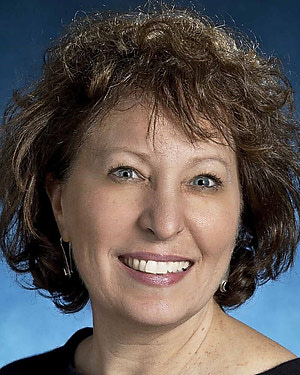
Principal Investigator
Department
-
Deidra Crews Lab
Dr. Crews’ team focuses on health disparities in chronic kidney disease. We have studied how social determinants of health, such as poverty and healthful food access, affect disparities in kidney disease outcomes. Our research on end-stage renal disease includes studies of the best timing and environment to initiate dialysis among vulnerable populations.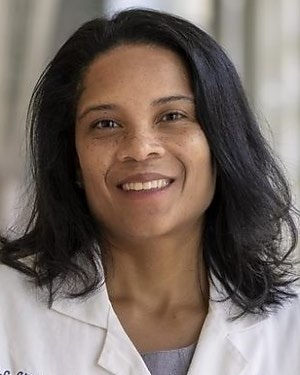
-
Devreotes Laboratory
The Devreotes Laboratory is engaged in genetic analysis of chemotaxis in eukaryotic cells. Our long-term goal is a complete description of the network controlling chemotactic behavior. We are analyzing combinations of deficiencies to understand interactions among network components and carrying out additional genetic screens to identify new pathways involved in chemotaxis. A comprehensive understanding of this fascinating process should lead to control of pathological conditions such as inflammation and cancer metastasis. -
Dhananjay Vaidya Lab
Research conducted in the Dhananjay Vaidya Lab focuses on the prevention of heart disease, with special emphasis on cardiometabolic risk factors, genetics in high-risk families, cardiovascular epidemiology, statistics and vascular biology. We also provide consultation on study design as well as plan and oversee data analyses for projects supported by the Center for Child and Community Health Research.
-
Dmitri Artemov Lab
The Artemov lab is within the Division of Cancer Imaging Research in the Department of Radiology and Radiological Science. The lab focuses on 1) Use of advanced dynamic contrast enhanced-MRI and activated dual-contrast MRI to perform image-guided combination therapy of triple negative breast cancer and to assess therapeutic response. 2) Development of noninvasive MR markers of cell viability based on a dual-contrast technique that enables simultaneous tracking and monitoring of viability of transplanted stems cells in vivo. 3) Development of Tc-99m and Ga-68 angiogenic SPECT/PET tracers to image expression of VEGF receptors that are involved in tumor angiogenesis and can be important therapeutic targets. 4) Development of the concept of “click therapy” that combines advantages of multi-component targeting, bio-orthogonal conjugation and image guidance and preclinical validation in breast and prostate cancer models.