Research Lab Results
-
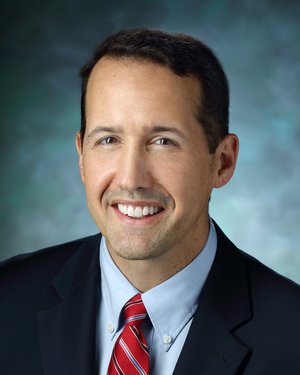
Vikram Chib Lab
The goals of the Vikram Chib Lab are to understand how the nervous system organizes the control of movement and how incentives motivate our behaviors. To better understand neurobiological control, our researchers are seeking to understand how motivational cues drive our motor actions. We use an interdisciplinary approach that combines robotics with the fields of neuroscience and economics to examine neuroeconomics and decision making, motion and force control, haptics and motor learning, image-guided surgery and soft-tissue mechanics. -
Vestibular Neurophysiology Laboratory
The mission of the laboratory of vestibular neurophysiology is to advance the understanding of how the body perceives head motion and maintains balance - a complex and vital function of everyday life. Although much is known about the vestibular part of the inner ear, key aspects of how the vestibular receptors perceive, process and report essential information are still mysterious. Increasing our understanding of this process will have tremendous impact on quality of life of patients with vestibular disorders, who often suffer terrible discomfort from dizziness and vertigo. The laboratory group's basic science research focuses on the vestibulo-ocular reflexes - the reflexes that move the eyes in response to motions of the head. They do this by studying the vestibular sensors and nerve cells that provide input to the reflexes; by studying eye movements in humans and animals with different vestibular disorders, by studying effects of electrical stimulation of vestibular sensors, and by using mathematical models to describe these reflexes. Researchers are particularly interested in abnormalities of the brain's inability to compensate for vestibular disorders. -
Veit Stuphorn Laboratory
The Veit Stuphorn Laboratory studies the neurophysiological mechanisms that underlie decision making and self-control. We record the activity of single neurons in awake animals that are engaged in decision-making processes. This allows us to identify the types of signals that neurons in specific parts of the brain represent and the computations they carry out. We also study human subjects in the same tasks with the help of fMRI. These parallel experiments provide comparative information about decision processes in human and non-human primates.
-
Vestibular NeuroEngineering Lab
Research in the Vestibular NeuroEngineering Lab (VNEL) focuses on restoring inner ear function through “bionic” electrical stimulation, inner ear gene therapy, and enhancing the central nervous system’s ability to learn ways to use sensory input from a damaged inner ear. VNEL research involves basic and applied neurophysiology, biomedical engineering, clinical investigation and population-based epidemiologic studies. We employ techniques including single-unit electrophysiologic recording; histologic examination; 3-D video-oculography and magnetic scleral search coil measurements of eye movements; microCT; micro MRI; and finite element analysis. Our research subjects include computer models, circuits, animals and humans. For more information about VNEL, click here. VNEL is currently recruiting subjects for two first-in-human clinical trials: 1) The MVI Multichannel Vestibular Implant Trial involves implantation of a “bionic” inner ear stimulator intended to partially restore sensation of head movement. Without that sensation, the brain’s image- and posture-stabilizing reflexes fail, so affected individuals suffer difficulty with blurry vision, unsteady walking, chronic dizziness, mental fogginess and a high risk of falling. Based on designs developed and tested successfully in animals over the past the past 15 years at VNEL, the system used in this trial is very similar to a cochlear implant (in fact, future versions could include cochlear electrodes for use in patients who also have hearing loss). Instead of a microphone and cochlear electrodes, it uses gyroscopes to sense head movement, and its electrodes are implanted in the vestibular labyrinth. For more information on the MVI trial, click here. 2) The CGF166 Inner Ear Gene Therapy Trial involves inner ear injection of a genetically engineered DNA sequence intended to restore hearing and balance sensation by creating new sensory cells (called “hair cells”). Performed at VNEL with the support of Novartis and through a collaboration with the University of Kansas and Columbia University, this is the world’s first trial of inner ear gene therapy in human subjects. Individuals with severe or profound hearing loss in both ears are invited to participate. For more information on the CGF166 trial, click here. -
Krummey Lab
The Krummey Lab is a part of the Department of Pathology at the Johns Hopkins School of Medicine.
Our research prioritizes understanding the cellular mechanisms of alloimmunity, with a concentration on manipulating various cosignaling receptors and antigen recognition pathways to restrain the key lymphocytes principally involved in graft rejection. With the use of MHC tetramers, transgenic mouse models, and high-dimensional flow cytometry, we focus on mouse- and human-graft specific CD8+ T cells, CD4+ T cells, and B cells.
Transplantation is a life-saving procedure against a variety of diseases. Despite technical advances vastly improving early outcomes after transplant, long-term survival of transplanted organs has remained stagnant for the better part of three decades. A major cause of graft loss is immune-mediated rejection, which traditionally has be classified as acute or chronic based on its occurrence early or late after transplantation. Recently, this consensus has shifted to defining a graft rejection by its immunologic characteristics, either antibody-mediated or T cell-mediated (cellular rejection). This is because modern discoveries have identified the true major contributor to graft failures that occur many years after transplantation: not chronic rejection, but rather the cumulative impact of T cell-mediated acute rejection as a risk factor for later graft loss. Thus, original approaches to specifically prohibit and/or treat T cell-mediated acute rejection are of major significance for improving post-transplant outcomes.
HLA compatibility has also proven to be paramount for graft rejection. Originally, this was believed to be at the cellular level, then the single HLA protein level, and now at the epitope or molecular mismatch level. Specifically, HLA class II epitope-level mismatch has been identified as a risk factor for graft rejection, and multiple studies have identified specific epitopes within HLA class II peptides that are thought to be highly pathogenic. Few techniques directly measure antibody responses against specific regions of HLA proteins, but such measurements could provide both new information about the strength and character of alloimmunity and serve as an important new tool to study allogeneic B cells and antibody-secreting cells.

-
Kendall Moseley Lab
Research in the Kendall Moseley Lab is focused on the interplay between type 2 diabetes, aging and osteoporosis. We also study the function of bone stem cells in the regulation of bone remodeling.
-
Kathleen Sutcliffe Lab
Researchers in the Kathleen Sutcliffe Lab study organizational adaptability, reliability and resilience. Our work examines how factors such as management teams, group dynamics, information search processes, communication and learning processes affect organizational performance. Our team also studies how an organization’s design and culture affect members’ abilities to sense, manage and respond to dynamic demands. Additionally, our work seeks to better understand the factors that promote individual and organizational resilience. -
Ken Witwer Laboratory
The Ken Witwer Laboratory investigates extracellular vesicles and RNA in the context of HIV infection and inflammatory disease. We are also actively assessing the effects of diet on extracellular RNA as a potential therapeutic approach.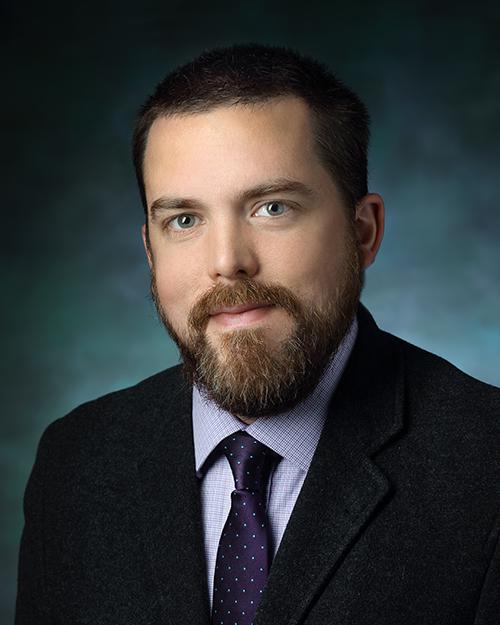
-
Kathleen Cullen Lab
We are continually in motion. This self-motion is sensed by the vestibular system, which contributes to an impressive range of brain functions, from the most automatic reflexes to spatial perception and motor coordination. The objective of Dr. Cullen's lab's research program is to understand the mechanisms by which self-motion (vestibular) information is encoded and then integrated with signals from other modalities to ensure accurate perception and control of gaze and posture. Our studies investigate the sensorimotor transformations required for the control of movement, by tracing the coding of vestibular stimuli from peripheral afferents, to behaviorally-contingent responses in central pathways, to the readout of accurate perception and behavior. Our experimental approach is multidisciplinary and includes a combination of behavioral, neurophysiological and computational approaches in alert behaving non-human primates and mice. Funding for the laboratory has been and is provided by the Canadian Institutes for Health Research (CIHR), The National Institutes of Health (NIH), the National Sciences and Engineering Research Council of Canada (NSERC), FQRNT / FQRSC (Quebec). -
Kristina Nielsen Laboratory
The Kristina Nielsen Laboratory investigates neural circuits in the visual cortex that are responsible for encoding objects to understand how the visual system performs object recognition. We aim to reveal the fine-scale organization of neural circuits, with an emphasis on higher-level visual areas. We use two-photon microscopy to perform high-resolution functional imaging of visual areas in the non-human primate. We also investigate how the function of higher visual areas changes over the course of brain development in ferrets, by measuring the activity of single neurons in these areas, as well as determining the animal's visual capabilities at various developmental stages. In both types of investigations, we also rely on detailed anatomical techniques to precisely observe how the function of neuronal circuits is related to their structure.