Research Lab Results
-
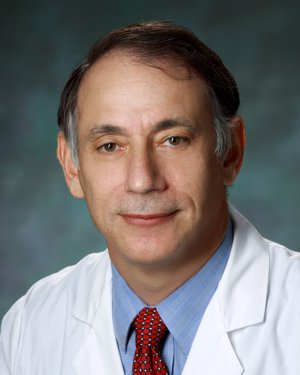
Jeff Bulte Lab
The clinical development of novel immune and stem cell therapies calls for suitable methods that can follow the fate of cells non-invasively in humans at high resolution. The Bulte Lab has pioneered methods to label cells magnetically (using tiny superparamagnetic iron oxide nanoparticles) in order to make them visible by MR imaging. While the lab is doing basic bench-type research, there is a strong interaction with the clinical interventional radiology and oncology groups in order to bring the methodologies into the clinic.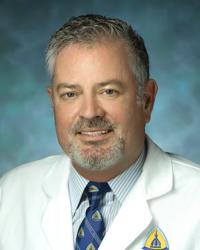
-
James Pekar Lab
How do we see, hear, and think? More specifically, how can we study living people to understand how the brain sees, hears, and thinks? Recently, magnetic resonance imaging (MRI), a powerful anatomical imaging technique widely used for clinical diagnosis, was further developed into a tool for probing brain function. By sensitizing magnetic resonance images to the changes in blood oxygenation that occur when regions of the brain are highly active, we can make ""movies"" that reveal the brain at work. Dr. Pekar works on the development and application of this MRI technology. Dr. Pekar is a biophysicist who uses a variety of magnetic resonance techniques to study brain physiology and function. Dr. Pekar serves as Manager of the F.M. Kirby Research Center for Functional Brain Imaging, a research resource where imaging scientists and neuroscientists collaborate to study brain function using unique state-of-the-art techniques in a safe comfortable environment, to further develop such techniques, and to provide training and education. Dr. Pekar works with center staff to serve the center's users and to keep the center on the leading edge of technology. -
J. Webster Stayman Lab
The J. Webster Stayman Lab studies both emission tomography and transmission tomography (CT, tomosynthesis and cone-beam CT). Our research activities relate to 3-D reconstruction, including model-based statistical / iterative reconstruction, regularization methods and modeling of imaging systems. We are developing a generalized framework for penalized likelihood (PL) reconstruction combining statistical models of noise and image formation with incorporation of prior information, including patient-specific prior images, atlases and models of components / devices known to be in the field of view. Our research includes algorithm development and physical experimentation for imaging system design and optimization. -
Dara Kraitchman Laboratory
The Dara Kraitchman Laboratory focuses on non-invasive imaging and minimally invasive treatment of cardiovascular disease. Our laboratory is actively involved in developing new methods to image myocardial function and perfusion using MRI. Current research interests are aimed at determining the optimal timing and method of the administration of mesenchymal stem cells to regenerate infarcted myocardium using non-invasive MR fluoroscopic delivery and imaging. MRI and radiolabeling techniques include novel MR and radiotracer stem cell labeling methods to determine the location, quantity and biodistribution of stem cells after delivery as well as to noninvasively determine the efficacy of these therapies in acute myocardial infarction and peripheral arterial disease. Our other research focuses on the development of new animal models of human disease for noninvasive imaging studies and the development of promising new therapies in clinical trials for companion animals.
-
Faria Lab
Andreia Faria's Laboratory focuses on investigating brain functions using MRIs. We develop and apply methods for processing and analyzing diverse MRI modalities in order to characterize distinctive brain patterns and to study multiple conditions, including neurodegenerative diseases, psychiatric disorders, and stroke. We use artificial intelligence to develop tools for brain MRI segmentation and quantification, promoting the means to perform reliable and reproducible translational research.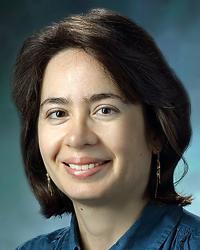
-
MRB Molecular Imaging Service Center and Cancer Functional Imaging Core
Established in 2004, the MRB Molecular Imaging Service Center and Cancer Functional Imaging Core provides comprehensive molecular and functional imaging infrastructure to support the imaging research needs of the Johns Hopkins University faculty. Approximately 55-65 different Principal Investigators use the center annually. The MRB Molecular Imaging Service Center is located behind the barrier within the transgenic animal facility in the basement of MRB. The MRB location houses a 9.4T MRI/S scanner for magnetic resonance imaging and spectroscopy, an Olympus multiphoton microscope with in vivo imaging capability, a PET-CT scanner, a PET-SPECT scanner, and a SPECT-CT scanner for nuclear imaging, multiple optical imaging scanners including an IVIS Spectrum, and a LI COR near infrared scanner, and an ultrasound scanner. A brand new satellite facility in CRB2-LB03 opens in 2019 to house a simultaneous 7T PET-MR scanner, as well as additional imaging equipment, to meet the growing molecular and functional imaging research needs of investigators. To image with us, MRB Animal Facility training and Imaging Center Orientation are required to obtain access to the MRB Animal Facility and to the MRB Molecular Imaging Center (Suite B14). The MRB Animal Facility training group meets at 9:30 am on Thursdays at the Turner fountain/MRB elevator lobby. The Imaging Center orientation group meets at 1 pm on Thursdays at the Turner fountain, and orientation takes approximately 30 min. Please keep in mind that obtaining access to both facilities requires time, so please plan in advance. -
The Responsive Imaging BioSensors & BioEngineering (RISE) Lab
The RISE Lab’s research focuses on developing and evaluating cellular/molecular imaging biosensors and drug/nanoparticle delivery systems for improved therapeutic indices in precision medicine. -
Cardiology Bioengineering Laboratory
The Cardiology Bioengineering Laboratory, located in the Johns Hopkins Hospital, focuses on the applications of advanced imaging techniques for arrhythmia management. The primary limitation of current fluoroscopy-guided techniques for ablation of cardiac arrhythmia is the inability to visualize soft tissues and 3-dimensional anatomic relationships. Implementation of alternative advanced modalities has the potential to improve complex ablation procedures by guiding catheter placement, visualizing abnormal scar tissue, reducing procedural time devoted to mapping, and eliminating patient and operator exposure to radiation. Active projects include • Physiological differences between isolated hearts in ventricular fibrillation and pulseless electrical activity • Successful ablation sites in ischemic ventricular tachycardia in a porcine model and the correlation to magnetic resonance imaging (MRI) • MRI-guided radiofrequency ablation of canine atrial fibrillation, and diagnosis and intervention for arrhythmias • Physiological and metabolic effects of interruptions in chest compressions during cardiopulmonary resuscitation Henry Halperin, MD, is co-director of the Johns Hopkins Imaging Institute of Excellence and a professor of medicine, radiology and biomedical engineering. Menekhem M. Zviman, PhD is the laboratory manager. -
Dmitri Artemov Lab
The Artemov lab is within the Division of Cancer Imaging Research in the Department of Radiology and Radiological Science. The lab focuses on 1) Use of advanced dynamic contrast enhanced-MRI and activated dual-contrast MRI to perform image-guided combination therapy of triple negative breast cancer and to assess therapeutic response. 2) Development of noninvasive MR markers of cell viability based on a dual-contrast technique that enables simultaneous tracking and monitoring of viability of transplanted stems cells in vivo. 3) Development of Tc-99m and Ga-68 angiogenic SPECT/PET tracers to image expression of VEGF receptors that are involved in tumor angiogenesis and can be important therapeutic targets. 4) Development of the concept of “click therapy” that combines advantages of multi-component targeting, bio-orthogonal conjugation and image guidance and preclinical validation in breast and prostate cancer models.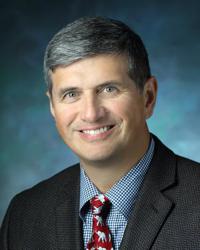
-
Weiss Lab
The Weiss Lab, which features a multi-disciplinary team at Johns Hopkins as well as at Cedars Sinai Medical Center in Los Angeles, is dedicated to identifying the most important clinical, genetic, structural, contractile and metabolic causes of sudden cardiac death as well as the means to reverse the underlying pathology and lower risk. Current projects include research into energy metabolism in human heart failure and creatine kinase metabolism in animal models of heart failure. Robert G. Weiss, MD, is professor of medicine, Radiology and Radiological Science, at the Johns Hopkins University.