
Orthopaedic Physical Therapy Residency
This residency program designed in collaboration with The George Washington University prepares residents to apply for the orthopaedic specialty certification and positions them for advancement along the clinical ladder. Through our 13-month residency program with one-on-one mentoring, residents will advance their ability in examination, evaluation and plan of care development for patients with musculoskeletal-related impairments. The program will challenge residents' clinical reasoning and effectiveness as educators within both a clinical and academic setting.
Duration: 13 months
Accreditation: ABPTRFE Accredited
Apply through RF-PTCAS
Application period: September 15 - December 29, 2026
Interviews: TBD
Interview decision: January 8, 2027
Program start: July 26, 2027
Clinic locations: Johns Hopkins Health Care & Surgery Center – Green Spring Station, Musculoskeletal Center at Columbia, Coppermine Health & Fitness Center in Timonium, Johns Hopkins Health Care & Surgery Center – Odenton, Johns Hopkins Health Care & Surgery Center - White Marsh and The George Washington University (non-clinical site; teaching experience)
Prerequisites: applicant must be eligible to work in the United States without visa sponsorship by the PMR department.
Number of graduates: 43 graduates since 2013
Completion rate: 98%
First-time specialty exam pass rate: 97%
View program flyer | View financial fact sheet
Please click the pay application link to pay the supplementary application fee. Application will not be processed until the fee is received and application is complete. All fees are non-refundable.
For more information, please contact us at [email protected].
Hear from Our Alumni
Program Features
The residency includes the following units:
- Intensive classroom and independent study modules
- Experience treating in an outpatient orthopaedic setting
- One-on-one clinical mentoring by board-certified orthopaedic specialists
- Opportunities to serve as an instructor in an entry-level physical therapy program
Curriculum
- Obtaining 1,500 hours of independent clinical practice: all residents provide direct patient care as Johns Hopkins employees on average at least 28 hours/week over 56 weeks.
- 357 hours of didactic education:
- 136 hours of classroom/lab instruction
- 96 hours: 4x3-day didactic weekends
- 40 hours: weekly lecture/labs throughout the year
- 221 hours of independent study.
- 136 hours of classroom/lab instruction
- 250 hours as a classroom/teaching assistant at The George Washington University: 2-8 hour days/week instructing entry-level physical therapy students in facilitating competencies (variability dependent upon semester, course and academic calendar).
- 200 hours of 1:1 mentorship: 150 hours supervision while treating patients and 50 hours of academic mentorship.
- Additional learning opportunities as assigned: physician shadowing, journal club and transdisciplinary educational sessions.
Residency Program Director
Ryan Cummings, PT, DPT, OCS, FAAOMPT

Program Faculty
Johns Hopkins Health Care & Surgery Center – Green Spring Station
Coppermine Health & Fitness Center in Timonium
The Johns Hopkins Hospital
Musculoskeletal Center at Columbia
- Monique Deluca Watson, PT, DPT, OCS
- Andrew Kunin, PT, DPT, OCS, FAAOMPT
- Kevin Levi-Goerlich, PT, DPT, OCS
- Megan Shawl, PT, DPT, OCS
Johns Hopkins Health Care & Surgery Center – Odenton
Johns Hopkins Health Care & Surgery Center – White Marsh
- Molly Flannery, PT, DPT, OCS
- Cameron Kapec, PT, DPT, OCS, SCS
- Michael Kolosvary, PT, DPT, OCS
Current Residents | Class of 2027
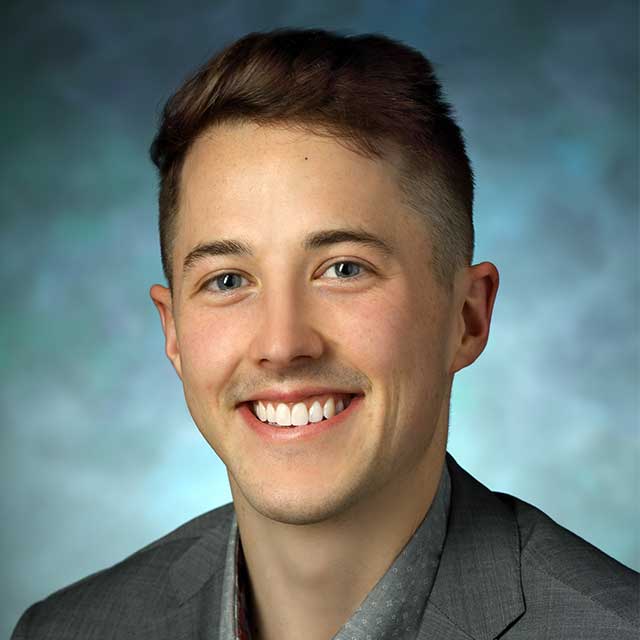
Matt Barbo, PT, DPT
Undergraduate school: University of North Carolina at Greensboro, bachelor's in english
Graduate school: University of Vermont, doctorate in physical therapy
Hometown: Westchester, New York
Professional interests: orthopedic physical therapy, sports rehabilitation and performance, and tactical athletes. I hope to continue developing my clinical reasoning and expertise, pursue board certification as an Orthopedic Clinical Specialist and remain open to where my career and interests take me next.
Why I chose Johns Hopkins: I chose Johns Hopkins because of its strong emphasis on evidence-based orthopedic practice, mentorship, and clinical development. I was especially drawn to the opportunity to learn from highly experienced clinicians who challenge you to think critically, push your clinical reasoning, and continually grow while gaining exposure to a wide range of complex orthopedic conditions.
What I like about Baltimore: I’ve enjoyed the energy and character of Baltimore, along with the access to climbing gyms, outdoor activities, and the waterfront. I’ve also enjoyed exploring the different neighborhoods, coffee shops, restaurants, and everything else the city has to offer.

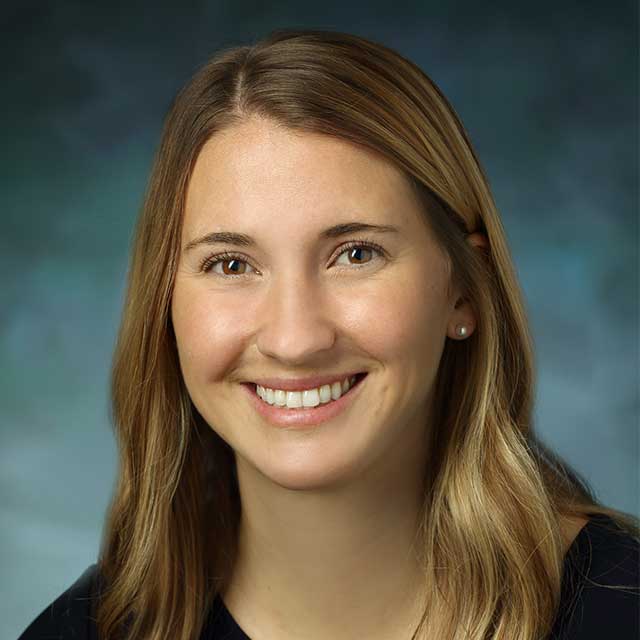
Mackenzie Whittaker, PT, DPT
Undergraduate school: The University of North Carolina at Charlotte, bachelor's in exercise science
Graduate school: Duke University School of Medicine, doctorate in physical therapy
Hometown: Barrington, Rhode Island
Professional interests: I am passionate about orthopedics because it provides the foundation for becoming a true musculoskeletal expert. My goal is to grow into an evidence-based primary care provider who can help patients navigate musculoskeletal conditions effectively and advocate for greater access to physical therapy to reduce delays in care.
Why I chose Johns Hopkins: I chose Johns Hopkins because its training environment aligns with my long-term goal of pursuing an orthopedic residency after graduation. The program’s structured mentorship and didactic curriculum complement my learning style and will support my growth as a clinician. I also value the opportunity to teach, and the collaboration with George Washington University provides a unique integrated faculty-residency experience with 260 hours of adjunct instruction.

Sophie Willihnganz, PT, DPT
She/her
Undergraduate school: Warren Wilson College, bachelor's in biology and psychology
Graduate school: University of Birmingham, M.Sc. in Trauma Science and University of Wisconsin, doctorate in physical therapy
Hometown: Beaver Dam, Wisconsin
Professional interests: As a PT and paramedic, my professional interests are to combine physical therapy and EMS. To that end, my career goals are to specialize in early rehabilitation of patients with complex polytraumatic injuries or amputations while responding to sudden-onset disasters in remote or austere environments.
Why I chose Johns Hopkins: I chose a residency program with Johns Hopkins because of the hospital system’s core values and reputation for excellent patient care, and because of the opportunities to collaboratively learn from other multi-disciplinary experts in amputation, limb loss, and prosthetic care while I become an orthopedic specialist. I also chose Hopkins because my interview didn’t feel like an interrogation, it felt like an invitation, and since they put that kind of care and consideration into the interview process, I knew the residency program had to be the same.

Program Alumni
-
Emily Schmitt, PT, DPT
She/her
Undergraduate school: Marymount Manhattan College, bachelor's in dance
Graduate school: University of Maryland, Baltimore, doctorate in physical therapy
Hometown: Baltimore, Maryland
Professional interests: orthopedics, performing arts and dancers, manual therapy
Why I chose Johns Hopkins: I chose Johns Hopkins because of its history as a respected healthcare system and educational institution. My personal experiences at Hopkins, from patient to clinical student, have always been overwhelmingly positive. I am looking forward to taking advantage of the many resources here and growing as a clinician and educator!
What I like about Baltimore: I have lived in multiple big cities in the US, and Baltimore is a hidden gem with so much personality! There are so many options for good food, outdoor activities, and events. Its location on the East Coast makes it an amazing hub for travel too!
Adelaide Ronk, PT, DPT
Undergraduate school: Ithaca College, bachelor's in clinical health studies
Graduate school: Ithaca College, doctorate in physical therapy
Hometown: New Paltz, New York
Professional interests: My most notable goal is to provide exceptional patient care. All patients deserve a clinician who is knowledgeable, compassionate, and invested in their recovery. During residency, I will improve my ability to articulate complex conditions and interventions, ensuring my patients know the "why" behind their care and foster a strong therapeutic alliance to enhance outcomes.
Why I chose Johns Hopkins: I chose Johns Hopkins for the opportunity to grow as a clinician in an environment that prioritizes continuous learning and excellence. The chance to learn from renowned faculty, utilize cutting-edge technology, and contribute to the education of future therapists through the program’s connection with George Washington University all played a role in my decision. I’m confident that the experiences and training I’ll gain here will prepare me for meaningful opportunities in the future.
Matthew Riggins, PT, DPT
He/him
Undergraduate school: Stevenson University, bachelor's in business administration
Graduate school: Moravian University, doctorate in physical therapy
Hometown: Bel Air, Maryland
Professional interests: orthopedics, low back pain, chronic pain, manual therapy, tendinopathy
Why I chose Johns Hopkins: I chose Johns Hopkins because of its deep commitment to patient-centered care and the opportunity to learn from clinicians who are leaders in their field. The supportive environment, along with opportunities to engage in teaching, mentorship, research, and leadership, make it the ideal place to grow both professionally and personally—especially at this early stage of my career.
What I like about Baltimore: Ravens, O's, and crabcakes—that's Baltimore at its best! Every corner of the city has its own charm, and there's always a local event to discover and enjoy. -

Adam Laplant, PT, DPT, CSCS
He/him
Undergraduate school: Tulane University, bachelor's in neuroscience
Graduate school: George Washington University, doctorate in physical therapy
Hometown: Villanova, Pennsylvania
Professional interests: orthopedics, manual therapy, chronic and persistent pain
Why I chose Johns Hopkins: This program offers a rare opportunity to grow substantially as a clinician and an educator. I am excited to pick the brains of the many experts at Hopkins and GW!
Sofie Massa, PT, DPT
She/her
Undergraduate school: George Mason University, bachelor's of fine arts in dance
Graduate school: University of Maryland, doctorate in physical therapy
Hometown: Towson, Maryland
Professional interests: orthopedics, manual therapy, performing arts
Why I chose Johns Hopkins: I chose Johns Hopkins because of it's reputation for excellence. This program provides hands on experience with amazing mentors who are at the top of their fields.
What I like about Baltimore: Baltimore is home for me! I love how versatile of a city it is and how I can constantly find new things to do and new places to eat.
Hannah Vaca, PT, DPT
Undergraduate school: Augustana University, bachelor's in biology with a minor in english
Graduate school: Creighton University, doctorate in physical therapy
Hometown: Sioux Falls, South Dakota
Professional interests: orthopedics, manual therapy, dancers, neuromuscular rehabilitation
Why I chose Johns Hopkins: The Orthopaedic Physical Therapy Residency at Johns Hopkins appealed to me because of its unique integration of clinical practice with its involvement in George Washington University's DPT program. I value the shared relationship between incorporating the knowledge gained in the clinical field and also learning how to effectively educate these concepts. Additionally, I highly value the opportunity to learn from clinicians who are experts in their fields, who genuinely care about the rehabilitation and care of the patients they serve. I have wanted to further develop my professional skills to provide the best care for patients and feel that the residency program at Johns Hopkins/GWU is the program that help me achieve this goal.
What I like about Baltimore: I really enjoy walking around the National Aquarium and exploring all the different neighborhoods in and around Baltimore. There's so much character in the city with a variety of places to visit, diverse restaurants to experience, and outdoor trails not far from the city to venture around in. I also enjoy that Baltimore is a short distance away from other cities such as Washington D.C.! -

Sofie Besser, PT, DPT, ATC
Undergraduate school: Purdue University, bachelor's in athletic training
Graduate school: Northwestern University, doctorate in physical therapy
Hometown: Oak Park, Illinois
Professional interests: orthopedics, performing arts rehabilitation, sport performance, manual therapy
Why I chose Johns Hopkins: I chose the Johns Hopkins and GWU Orthopedic Residency because of the mentorship opportunities offered in the clinic as well as with classroom instruction. I was looking for a program that offered teaching opportunities and the mentorship provided during academic experiences was something I found unique to the Johns Hopkins/GWU program. There are also so many resources and programs offered here that I can take advantage of to truly tailor my experience and everyone is eager to share their specialized knowledge.
Tina Esbenshade, PT, DPT
Undergraduate school: Biola University, bachelor's in kinesiology
Graduate school: Baylor University, doctorate in physical therapy
Hometown: Yakutat, Alaska
Professional interests: orthopedics, manual therapy, sports performance, athletic development
Why I chose Johns Hopkins: I chose Johns Hopkins because I wanted to learn from and collaborate with highly skilled clinicians who want to provide the best care possible. I was drawn to this program because every faculty/clinical member contributes to an environment of success and is willing to tailor their mentorship to fit your needs. I have also wanted to participate in the education of physical therapy students and the partnership with George Washington University allows me to do this.
What I like about Baltimore: I like how Baltimore is easily accessible and offers a variety of outdoor activities and sports opportunities. I also appreciate how each neighborhood feels like a small community with plenty of things to do!
Jessica Straub, PT, DPT
Undergraduate school: University of Maryland, College Park, bachelor's in kinesiology and dance
Graduate school: University of Maryland, Baltimore, doctorate in physical therapy
Hometown: Annapolis, Maryland
Professional interests: orthopedics, performing arts rehabilitation- dancers and aerialists, sport performance
Why I chose Johns Hopkins: I chose the Johns Hopkins residency program because of their commitment to providing exceptional patient centered care. This program will provide me the most individualized and specialized mentorship so that I can grow as a clinician and educator.
Jared Rodriguez, PT, DPT
Undergraduate school: University of Maryland, College Park, bachelor's in kinesiology
Graduate school: University of Maryland, Baltimore, doctorate in physical therapy
Hometown: Eldersburg, Maryland
Professional interests: orthopedics, manual therapy, osteoarthritis, low back pain, tendinopathy
Why I chose Johns Hopkins: I chose Johns Hopkins after interviewing a few former and current residents. They were all kind, competent, and spoke endlessly about the support they received from the program that pushed them to become better, patient-centered clinicians.
What I like about Baltimore: I grew up in the suburbs, so I never even dreamed of living in the city. Baltimore has treated me so well and made me fall in love with its charm, great food options, and diverse population. -
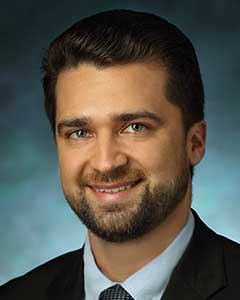
Jacob Flathers, PT, DPT
Undergraduate school: University of California, Davis, bachelor's in exercise biology with a minor in psychology
Graduate school: University of California, San Francisco and San Francisco State University, doctorate in physical therapy
Hometown: San Francisco Bay Area, California
Professional interests: orthopedics, athletic development, sports performance, injury mitigation, patients across the lifespan
Why I chose Johns Hopkins: I chose the Johns Hopkins and GWU Orthopaedic PT Residency program because it offers a diverse clinical experience in an academic hospital-based setting as well as the opportunity to gain teaching experience through GWU’s DPT program. In addition to offering structured mentorship in both the clinical and academic settings, I also felt that the involved faculty and mentors genuinely care about my development and are willing to adapt my experience to meet my goals and expectations. Lastly, I wanted to experience living in a different part of the country so I could explore new perspectives and a new environment—I believe this will help me grow both professionally and personally.
What I like about Baltimore: I love exploring a new area and discovering what the different neighborhoods have to offer. It is a very walkable city with plenty of public transportation options that allow you to explore other East Coast cities as you desire.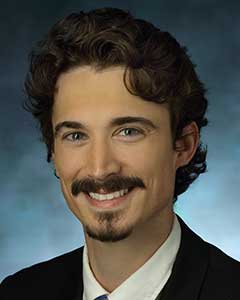
Tristan Lucy-Speidel, PT, DPT, ATC
Undergraduate school: University of Lynchburg, bachelor's in athletic training
Graduate school: University of Lynchburg, doctorate in physical therapy
Hometown: Fort Valley, Virginia
Professional interests: orthopaedics, sports performance, running, manual therapy
Why I chose Johns Hopkins: I chose the Johns Hopkins and GWU Orthopedic Residency program because I wanted to propel my clinical skills over the course of this next year, as well as introduce myself to the functions of a faculty member in a doctorate level physical therapy program.
What I like about Baltimore: Two of my favorite places in Baltimore so far are the inner harbor and the NCR trail for runs.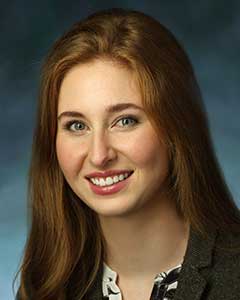
Sydney Rogers, PT, DPT
Undergraduate school: College of Charleston, Charleston, South Carolina, bachelor's in exercise science
Graduate school: University of Maryland, Baltimore School of Medicine, doctorate in physical therapy
Hometown: Lexington, South Carolina
Professional interests: orthopaedics, manual therapy, and post-operative orthopedic trauma
Why I chose Johns Hopkins: I chose Johns Hopkins for my orthopedic residency because of the opportunities to receive mentorship in both a clinic and classroom setting. Having the opportunity to treat patients and teach DPT level students at George Washington University is a unique addition to an orthopedic physical therapy residency and one I felt drawn to. Johns Hopkins emphasis on patient centered care, mentorship and professional development is inspiring and I knew it would set me up for success throughout my career.
What I like about Baltimore: I have been in the Baltimore area for 4 years now and continuously find new things to do. You are close to so many hiking trails, beaches, and major metropolitan areas that it is impossible to be bored. Everything you would like to do is also a quick car ride or train ride away, which is great! -

Jeff Adams, PT, DPT
Undergraduate school: University of Virginia, bachelor's in sociology and English language and literature
Graduate school: University of Missouri, doctorate in physical therapy
Hometown: Sandston, Virginia
Professional interests: orthopedics, manual therapy, sports performance, gait and running analysis
Why I chose Johns Hopkins: I chose Johns Hopkins because the residency program provides the balance between expert mentorship, teaching opportunities and professional development that I was seeking for my post-professional education. The specialized orthopedic training through Johns Hopkins will better enable me to mentor future students and to provide optimal patient-centered care throughout my career.
What I like about Baltimore: I am new to the area, but I have enjoyed trips to the Inner Harbor and hiking trails around Columbia. As an actor and singer, I look forward to exploring the fantastic arts scene in the Baltimore area.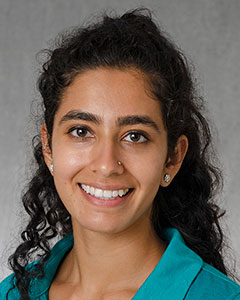
Rashi Anand, PT, DPT
Undergraduate school: Franklin and Marshall College, bachelor's in biology
Graduate school: The George Washington University, doctorate in physical therapy
Hometown: Harrisburg, Pennsylvania
Professional interests: orthopedics, performing arts, sports performance, manual therapy, chronic pain
Why I chose Johns Hopkins: I chose the Johns Hopkins orthopedic residency program for the ample opportunities offered through working for a massive healthcare system including interdisciplinary networking, one-on-one mentorship and the pedagogical experiences gained through teaching a class of second year doctor of physical therapy students. Additionally, I chose this residency program for its emphasis on patient-centered care and the use of the virtues of evidence-informed practice to guide treatment interventions.
What I like about Baltimore: I hope to explore more of the city throughout the residency, however, I do enjoy the diversity in food options, the harbor and the famous Baltimore National Aquarium. I also like that it is so close to Washington, D.C.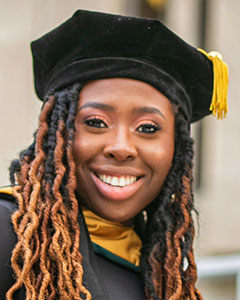
Kinross Obiefule, PT, DPT
Undergraduate school: Seton Hill University, bachelor's in sciences
Graduate school: Clarkson University, doctorate in physical therapy
Hometown: Baltimore, Maryland
Professional interests: orthopedics, sports, manual therapy
Why I chose Johns Hopkins: I worked at the Johns Hopkins Outpatient Center as a physical medicine and rehabilitation technician and had the opportunity to witness quality care being provided to patients by the physical and occupational therapists that I worked with. From that moment on, I knew that I wanted to complete a residency at Johns Hopkins after seeing firsthand the caliber of physical therapists that strived towards optimal patient care. Their systematic approach with each body region paired with one-on-one mentorship, teaching opportunities at The George Washington University and other professional opportunities creates an optimal environment for learning and growing as a clinician. -

Gina Hisky, PT, DPT
Undergraduate school: Towson University, bachelor's in exercise science
Graduate school: University of Maryland, doctorate in physical therapy
Hometown: Woodstock, Maryland
Professional interests: orthopedics, sports performance, manual therapy, running assessment
Why I chose Johns Hopkins: I chose Johns Hopkins because I felt that I would receive the most individualized and specialized mentorship with this institution. The hands on care and one-to-one training that this program has is incomparable.
What I like about Baltimore: Growing up local, I love everything about Baltimore! There is an endless amount of things to do: shopping, restaurants, running trails/exercise classes and the Ravens!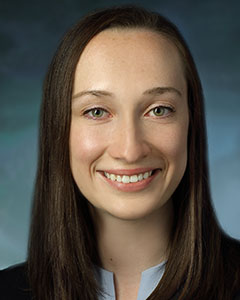
Erin O'Donnell, PT, DPT
Undergraduate school: University of Illinois at Urbana-Champaign, bachelor's in kinesiology
Graduate school: Northwestern University, doctorate in physical therapy
Hometown: Mount Prospect, Illinois
Professional interests: chronic pain management, low back pain, manual therapy
Why I chose Johns Hopkins: I chose to complete my residency at Johns Hopkins because the physical therapists here are continually striving to improve their clinical skills and further our profession. I chose this program because of the extensive mentorship opportunities that it offers.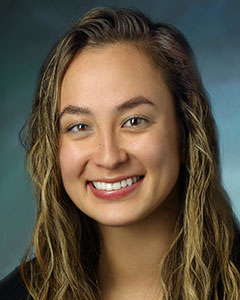
Leanne Scott, PT, DPT
Undergraduate school: California State University, Chico; bachelor's in exercise physiology
Graduate school: The University of Vermont, doctorate in physical therapy
Hometown: Bellevue, Washington
Professional interests: orthopedics, sports performance, manual therapy, gait and running analysis
Why I chose Johns Hopkins: I chose Johns Hopkins because it was clear the mentors are passionate about physical therapy and are truly invested in our professional development. In addition, the program offers a unique opportunity to teach at George Washington University, providing us with the experience and resources to take a formal role in academia in the future.
What I like about Baltimore: I enjoy running along the inner harbor, and there are an infinite number of restaurants to try.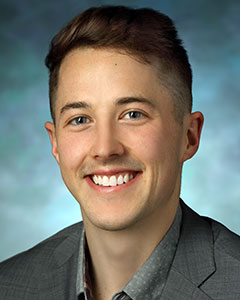
Jacob Travis, PT, DPT, OCS
Undergraduate school: The University of Tennessee, Knoxville; bachelor's in kinesiology
Graduate school: Emory University, doctorate in physical therapy
Hometown: Nashville, Tennessee
Professional interests: sports performance, gait and running analysis, rehab psychology, manual therapy, EMG research
Why I chose Johns Hopkins: I had the opportunity to intern at Johns Hopkins during physical therapy school, and after experiencing the incredibly supportive culture they've created here and witnessing the highest level of patient care I had ever seen, I knew this residency would be the best route for me to grow as a young clinician.
What I like about Baltimore: Baltimore is big enough to have a lot of cool attractions and entertainment around but not so big that it's overwhelming. It's also one of the most underrated food cities in the country; I firmly stand behind that! And geographically, we're pretty centrally located in the Mid-Atlantic which means we're a reasonably short drive or train ride to a lot of major cities for quick weekend getaways.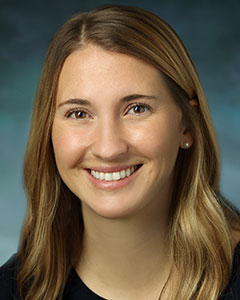
Monica Ziebart, PT, DPT, OCS
Undergraduate school: University of Arkansas, bachelor's in kinesiology
Graduate school: Emory University, doctorate in physical therapy
Hometown: Memphis, Tennessee
Professional interests: orthopaedics, sports performance, vestibular, manual therapy
Why I chose Johns Hopkins: I chose the Johns Hopkins program because they developed a residency program that is focused on fostering the education, clinical skills and confidence of their residents. They always make sure to emphasize the importance of patient care and ensure that all time spent treating and evaluating patients is 1:1. They also create an environment that caters to your special interests and provides you with an opportunities to teach at George Washington University.
What I like about Baltimore: I love living so close to the harbor and being able to run near it everyday! -
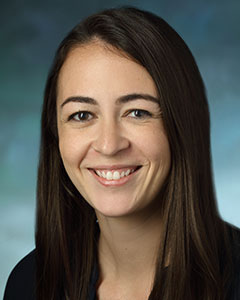
Heather Baeta, PT, DPT
Undergraduate school: University of Florida, bachelor's in applied physiology and kinesiology with specialization in exercise physiology
Graduate school: Emory University, doctorate in physical therapy
Professional interests: orthopaedics, manual therapy, adolescent sports
Why I chose Johns Hopkins: I completed a clinical rotation and administrative internship at Johns Hopkins as a student, and the staff was extremely supportive and encouraging to my learning process. I felt like Johns Hopkins would be the best place to receive continued mentorship in orthopedics. I also wanted to further develop my teaching skills, which is a unique opportunity offered in conjunction with George Washington University.
What I like about Baltimore: I like participating in the intramural sports leagues and going to the First Thursday Festival — a free summer concert on the first Thursday of every month! I also like how close I am to different hiking and running trails.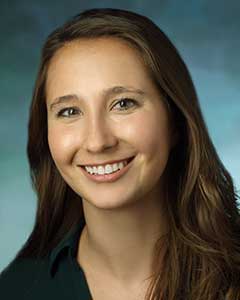
Emily Jurschak, PT, DPT
Undergraduate school: College of the Holy Cross, bachelor's in psychology
Graduate school: Columbia University, doctorate in physical therapy
Professional interests: orthopaedics, sports performance, spine, ankle, shoulder
Why I chose Johns Hopkins: The residency program is truly committed to developing its residents as thoughtful, reflective and effective clinicians with the aid of its passionate and dedicated mentors. Johns Hopkins nurtures professional and personal growth through mentorship, research and teaching opportunities. Its teaching opportunities at George Washington University are truly unique and a great opportunity to explore different realms of the physical therapy world.
What I like about Baltimore: The food, the Inner Harbor and the accents.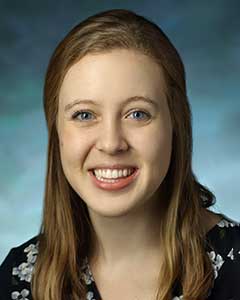
Megan Kudlac, PT, DPT
Undergraduate school: Walsh University, bachelor's in biology
Graduate school: Walsh University, doctorate in physical therapy
Professional interests: orthopaedics, manual therapy, sports performance
Why I chose Johns Hopkins: I chose the Johns Hopkins orthopaedic PT residency because of the vast number of experienced mentors in the residency program, the numerous opportunities available through the Hopkins network and the partnership with George Washington University where I am able to assist with teaching in the musculoskeletal course series.
What I like about Baltimore: My favorite part about being in the Baltimore area is the number and variety of hiking trails! -
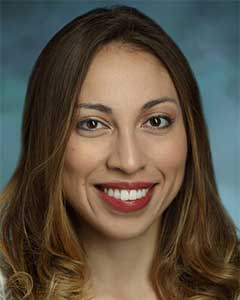
Christina Jaimes, PT, DPT
Undergraduate school: Purdue University, bachelor's in fitness management
Graduate school: Duke University, doctorate in physical therapy
Hometown: Cedar Lake, Indiana
Professional interests: orthopedic physical therapy, performing art/musician rehabilitation, sports performance, neurological rehabilitation
Why I chose Johns Hopkins: My clinical experience as a student intern at Johns Hopkins was one of the most enriching learning experiences of my professional career. I felt invested in, and wanted to continue growing with those among the best of the best in physical therapy.
What I like about Baltimore: The history, culinary scene, fine arts, and educational opportunities. (And autumn!)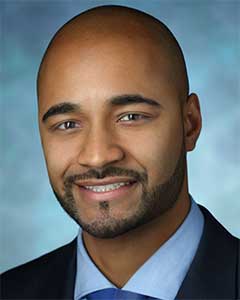
Eric Mahabir, PT, DPT
Undergraduate school: University at Buffalo, bachelor's in exercise science
Graduate school: University at Buffalo, doctorate in physical therapy
Hometown: Stony Point, New York
Professional interests: orthopedics, manual therapy, spine, shoulder and knee
Why I chose Johns Hopkins: To be a part of the best medical institution in the world.
What I like about Baltimore: I like the history, people, food, and inner harbor.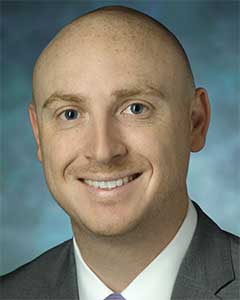
Matt Weber, PT, DPT
Undergraduate school: Hanover College, bachelor's in kinesiology and integrative physiology
Graduate school: The George Washington University, doctorate in physical therapy
Hometown: Dayton, Ohio
Professional interests: orthopedics, sports, sports performance, tactical athletes, manual therapy
Why I chose Johns Hopkins: I chose Johns Hopkins because I believed it would provide the best didactic education and clinical experiences possible throughout my year of residency.
What I like about Baltimore: I like the close proximity to a lot of different hiking trails.
