5 Things You Should Know about Atrial Fibrillation (AFib)
Featured Expert

Updated July 29, 2026
Atrial fibrillation, commonly known as AFib or AF, is a condition that causes the upper chambers of the heart to beat irregularly and extremely fast (about 500–600 beats per minute). AFib is the most common type of irregular heartbeat, affecting more than 5 million adults in the United States. Here are five things you may not know but should know about AFib:
If you have any symptoms of AFib, meet with your doctor as soon as possible. Your doctor will determine if you have AFib and will talk to you about the best approach for AFib management.
Age is the greatest risk factor for AFib.
AF risk increases dramatically over age 40 years. By age 80, one in 10 people have AF. Other common risk factors include heart disease, hypertension, obesity and height. Family history is generally only important if AF occurs at less than 50 years of age.
AFib may or may not cause symptoms.
- Stroke
- Fainting
- Irregular and rapid heartbeat
- Heart palpitations
- Dizziness
- Shortness of breath
- Weakness
- Fatigue
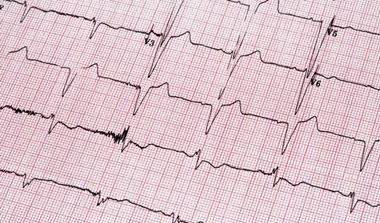
AFib is diagnosed with an electrocardiogram (ECG or EKG).
This test can be performed during an office visit. However, sometimes patients are asked to wear a monitor at home to record their heart rhythm over time.
There are several treatment options for patients with AFib.
In some cases, AFib can be controlled with lifestyle changes (including weight loss) or medications, but catheter ablation is the best treatment option for most patients. Surgery for AF is mainly limited to patients who already have an indication for heart surgery.
AF patients with stroke risk factors such as hypertension and/or age over 65 years should be treated with a blood thinner to prevent a stroke.
Nearly 35 percent of people with AFib will have a stroke.
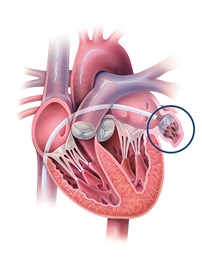
AFib increases the risk of stroke by fivefold. It is important for patients to meet with their doctor to determine if their stroke risk is high enough to warrant being placed on blood thinners. If you're unable to take a blood thinner due to bleeding risks, your doctor may recommend a procedure to occlude the left atrial appendage.
If you have any symptoms of AFib, meet with your doctor as soon as possible. Your doctor will determine if you have AFib and will talk to you about the best approach for AFib management.
Medically reviewed by Hugh Calkins, MD.