

Amanda Nickles Fader, MD
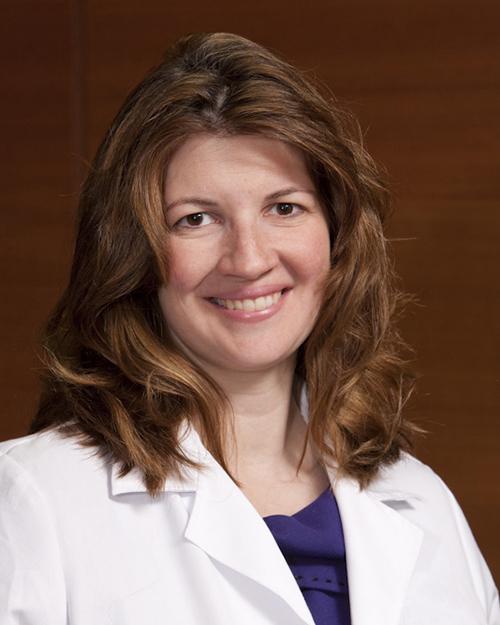
- Vice Chair of Gynecologic Surgical Operations, Johns Hopkins Health System
- Professor of Gynecology and Obstetrics
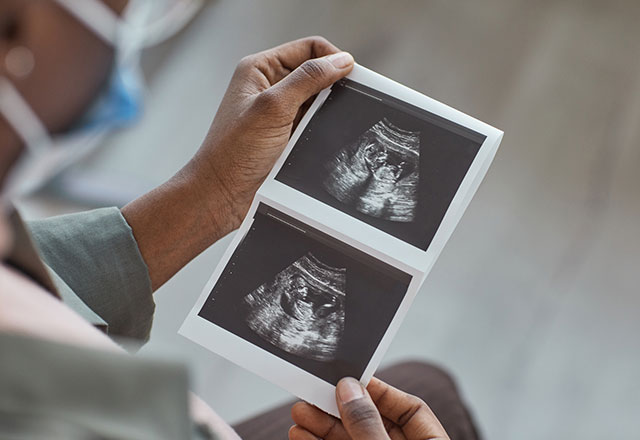
Uterine transplant surgery can help women who are either born without a uterus or who have undergone a hysterectomy (uterine removal) for a benign or cancerous medical condition. A successful transplant can be life-changing for the recipient, offering a fertility solution to women born without a uterus or women whose uterus had to be removed.
Our multidisciplinary team provides comprehensive care and treatment for patients who qualify as candidates.

Learn more about uterine transplant by reading answers to frequently asked questions about the procedure.
Select women between ages 20-40 with uterine factor infertility will be screened and considered for the procedure. Additionally, women participating in the clinical trial must be non-smokers in good health, have a body mass index <30 kg/m2 and have no contraindications to being on immunosuppressive medications and have embryos created by in vitro fertilization and available for future embryo transfer.
Yes, a uterus can be donated from a living or deceased donor. At Johns Hopkins, we perform living donor uterine transplants. A living uterus donor gives up her uterus for transplantation to a female recipient. Potential donors are women ages 30-50 who are in good health and have a BMI <30 kg/m2. They must have no medical history of diabetes, cancer in the last 5 years, HIV, Hepatis B or C, gonorrhea, or chlamydia.
Once the transplant recipient heals from their surgery, pregnancy can be considered. Typically, a minimum of 6 months of recovery after transplant surgery is recommended.
The uterus will be removed after child-bearing is complete.

Dr. Amanda Nickles Fader leads the Uterine Transplant team.



Expertise: Neonatology