
NOVELA Videos
The videos below provide education about hospice care. Each one is about five minutes long, and shows a different episode of a telenovela. Telenovelas share information through stories — often in a very dramatic way. Our telenovela focuses on Marinela, a woman caring for her husband, Tom, as he receives hospice services. While these videos depict a patient with cancer, the issues addressed are representative of patients and families going through any serious illness.
Enjoy the journey!
To Care
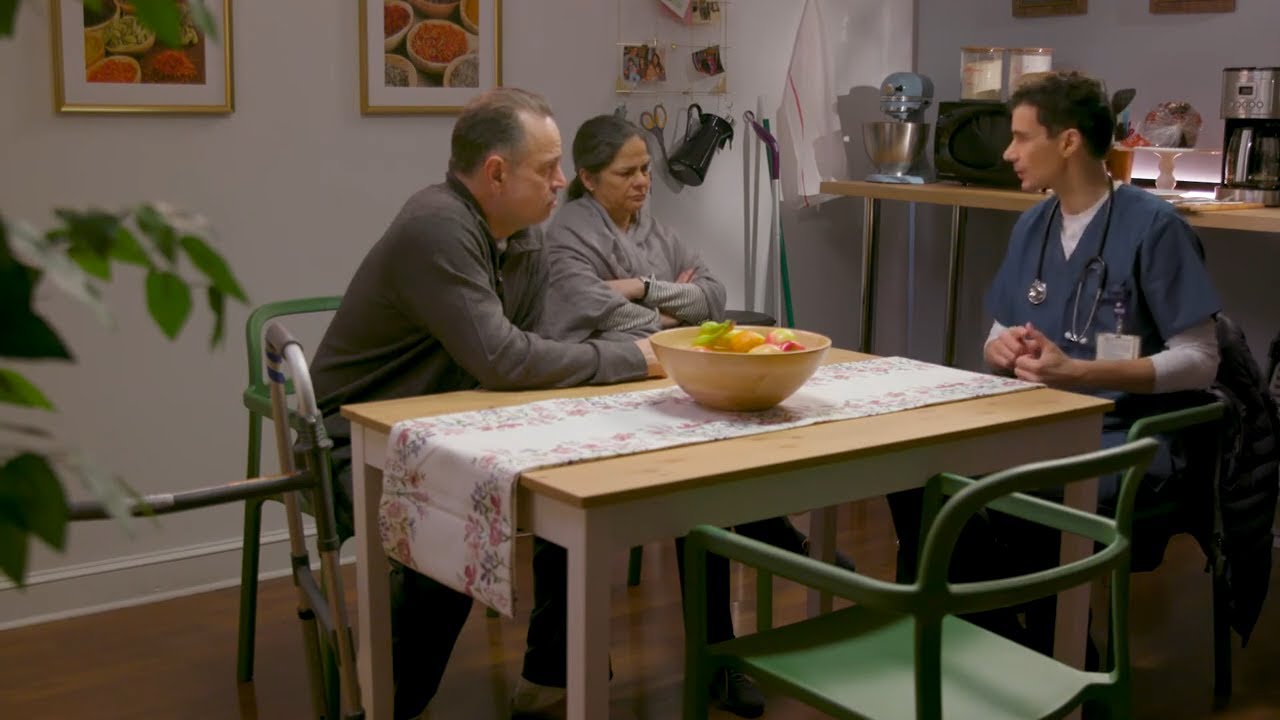
POURING FROM AN EMPTY CUP: A Caregiver’s Poor Health (Episode 1)
In this episode, Marinela struggles to come to terms with Tom’s diagnosis. Tom and Marinela talk with their hospice nurse, Ricardo, and learn more about hospice. Tom and Marinela’s daughter, Betty, steps in to help her family.
Reflection Questions
- How does Marianela and Tom’s experience relate to your life?
- How do these videos inform your understanding of the role of hospice?
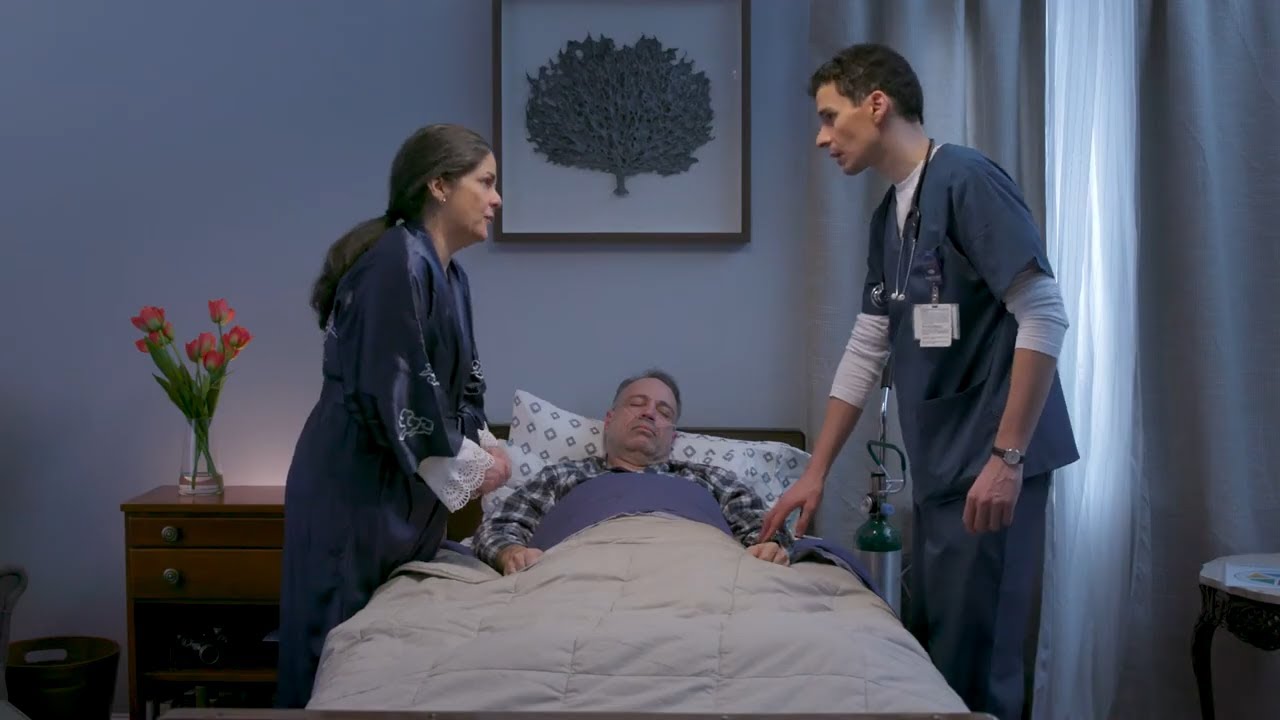
HOW CAN I TELL HE IS IN PAIN? (Episode 2)
This episode addresses pain. Marinela isn’t sure what is going on with Tom and calls the hospice nurse, Ricardo, for help. Ricardo teaches Marinela how to know if Tom is in pain even if Tom cannot speak.
Reflection Questions
- Tell us about how do you know if your loved one is in pain. How might you enhance or fix the situation if it were your experience?
- What was the most important thing you learned from the video?
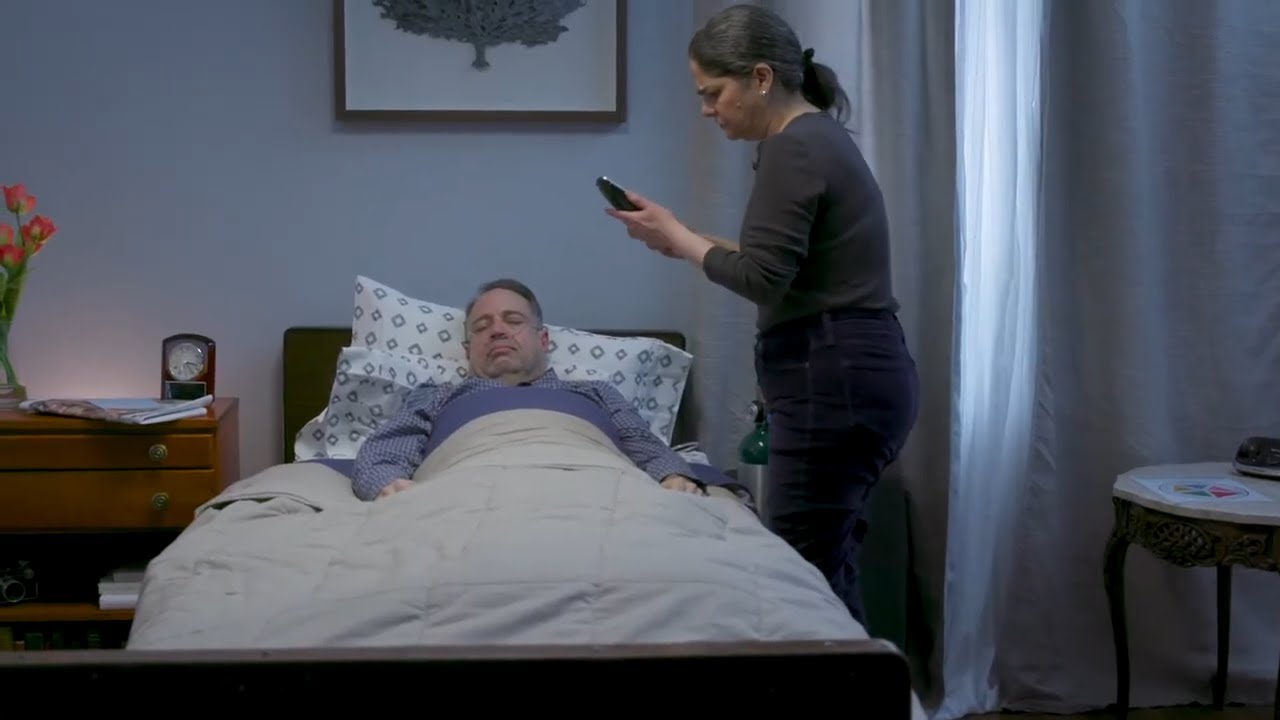
SHALL I TAKE HIM TO THE ER? (Episode 3)
In this episode, Marinela makes an important decision to call hospice instead of 911 when Tom appears to be in pain. Then, Marinela and the hospice nurse work together to decide how to treat Tom’s pain. This is an example of shared decision making.
Reflection Questions
- How do these experiences relate to your life?
- Do you feel like you are a part of the decision-making process with your hospice team?
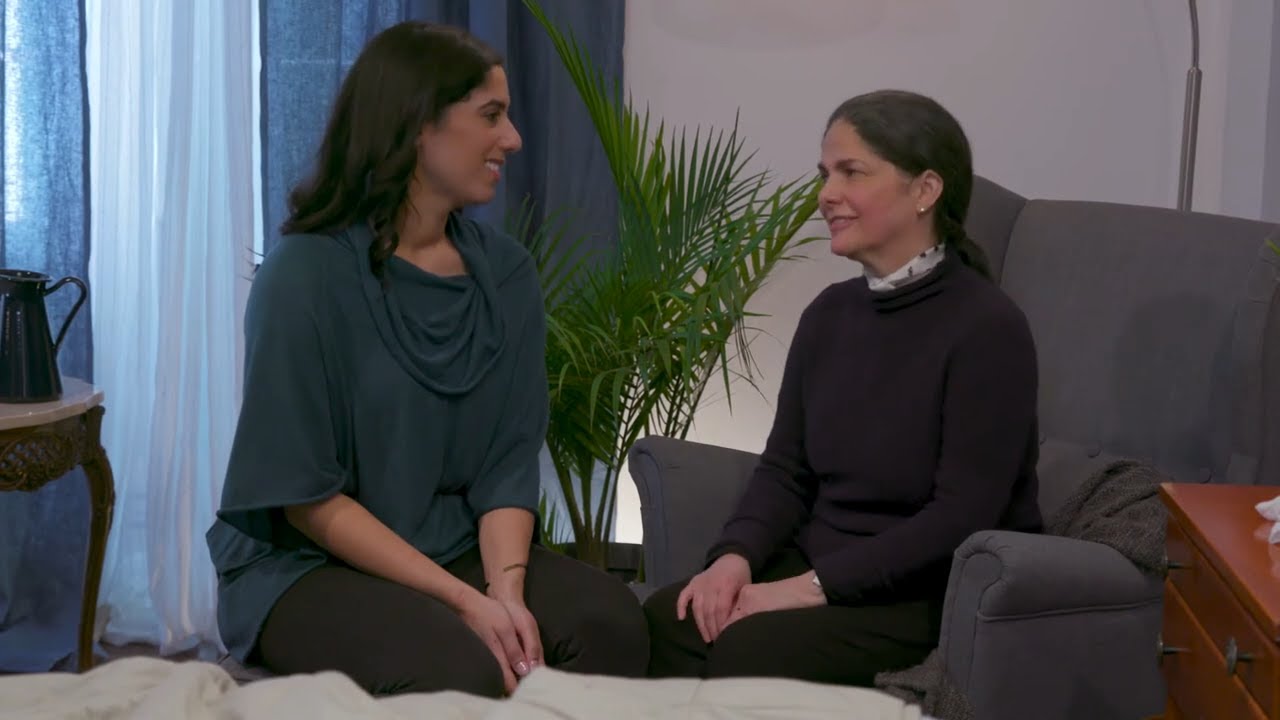
HE IS NOT DYING (Episode 4)
This episode takes us through Tom’s final journey: the dying process. This episode also provides tips on helping a loved one during the final days and hours. It discusses four messages that often matter most at the end of life: “Forgive me.” “I forgive you.” “Thank you.” “I love you.”
Reflection Questions
- Did this video help you better understand what to expect as your loved one is nearing death?
- Did you learn anything new from this video? If so, what?
Contact Us
If you want a consult with Dr. Cruz on how to use these videos at your agency or institution, please email [email protected].