
Celebrate Match Day 2026

3, 2, 1… open your envelopes! Match Day marks one of the most meaningful milestones in a medical student’s journey. On March 20th, graduating students at the Johns Hopkins University School of Medicine opened their envelopes to discover where they’d begin their residency training.
Congratulations to the Class of 2026!
Match Day 2026 | Johns Hopkins School of Medicine
Celebrate Match Day 2026!
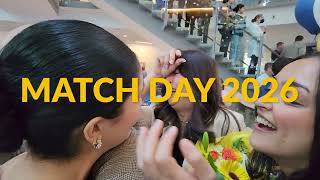
Match Day Celebration Program
Friday, March 20, 2026
Armstrong Medical Education Building, 2nd Floor Atrium
Program
Slideshow, Class of 2026
11:20 a.m. – Musical Performance
The Synaptic Clefs
11:30 a.m. – Welcome & Messages for the Class of 2026
Dr. Katherine C. Chretien, Associate Dean for Medical Student Affairs
JHUSOM Faculty
11:35 a.m. – Guest Speakers
Dr. Theodore L. DeWeese, Dean of the Medical Faculty &
Chief Executive Officer, Johns Hopkins Medicine
Dr. Landon S. King, Executive Vice Dean, Johns Hopkins School of Medicine
Michelle Moffa, Representative for the Class of 2026
Dr. Katherine C. Chretien, Associate Dean for Medical Student Affairs
11:50 a.m. – Envelope Distribution
11:55 a.m. – Countdown
Dr. Nancy Hueppchen, Associate Dean for Undergraduate Medical Education
Dr. Janet Record, Assistant Dean for Undergraduate Medical Education
Dr. Nathan Irvin, Assistant Dean for Medical Student Diversity, Equity & Inclusion
Dr. Katherine C. Chretien, Associate Dean for Medical Student Affairs
Dr. Paul O’Rourke, Assistant Dean for Medical Student Affairs
Dr. Silka Patel, Assistant Dean for Medical Student Affairs
Dr. Barry Solomon, Assistant Dean for Medical Student Affairs
Meet Our Students
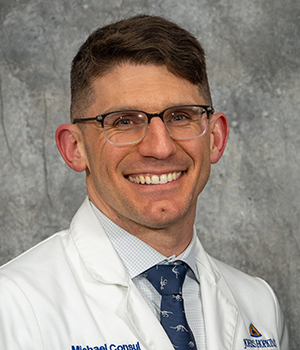
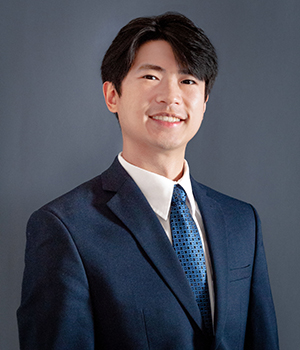
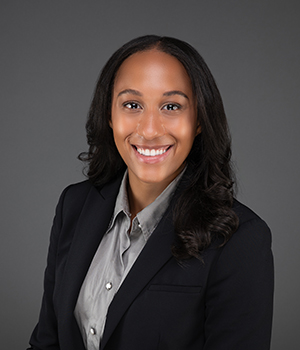
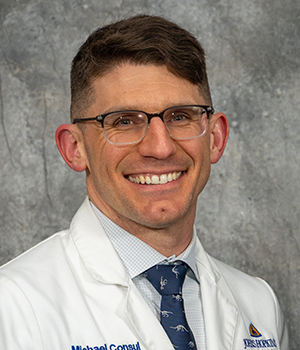 Michael Consul
General Surgery
Where is your hometown?
Las Vegas, Nevada
What made you want to enter into the medical field?
I initially started working in emergency response as a paramedic nearly 20 years ago to financially support my family. I did not anticipate that what had started as a mostly logistic decision at the time would ignite a passion for medicine and service that would mature and evolve over several decades. I had come to enjoy providing care for people in my community and wanted to attend medical school very early in my career, but ultimately, due to the demands of raising a family, I chose to defer this path. My subsequent journey through medicine would lead me to work not only as a firefighter, but also as a flight paramedic in the U.S. Army and a tactical paramedic for a SWAT team. As my partner progressed in her career as a Ph.D. researcher, and my children got older, the opportunity to return to the pursuit of working to become a physician again presented itself, and ultimately, I found my way to training at the most premier institution and hospital in the world!
Why did you choose the Johns Hopkins University School of Medicine?
My partner and I both grew up in the desert southwest, and after having raised our children in that region, we were looking for a geographic change where we could enjoy a green environment with seasonal variation. The Johns Hopkins University School of Medicine offered the opportunity for unparalleled academic and clinical training in an environment where diverse pathology intersected with an incredibly diverse community. This combination of environmental factors along with the opportunity for academic and professional development made the decision to come to JHUSOM an easy one.
What is your focus area of study?
I am pursuing residency training in general surgery, and will likely pursue fellowship training in trauma and surgical critical care.
What has been your best/most memorable experience while at Johns Hopkins?
From the earliest months of my time in medical school, I have had the fortunate opportunity to work with a research group that investigates the surgical management of a variety of colorectal conditions, including cancer and inflammatory bowel disease. The students, residents, faculty and support staff who make up the colorectal research unit have been like a family that supported, guided and mentored me through both clinical and research experiences. Most importantly, they have been an example of the very best that our discipline has to offer at every level. Their model of compassion and diligence to advance the craft of surgery will motivate me through the remainder of my career.
What would you most like to be remembered for?
I will be 40 years old the year that I graduate from medical school. My journey to this achievement has been long, but I would like it to be a reminder that it is never too late to pursue your dreams. Educational communities need students and physicians from every background imaginable, and the experiences nontraditional students bring to medical training later in life can be invaluable to both peers and patients.
What are your plans for the future?
In the future, I see myself working as an acute care surgeon providing emergent surgical, trauma and critical care services at an academic medical center. Additionally, I worked as a medical educator for many years in my prior career, and I would like to find a role in advancing the art and science of surgical care as an educator to help train subsequent generations of surgeons.
Tell us something interesting about yourself that makes you unique.
As a father of two sons who are 19 and 23, remarkably close in age to many of my classmates, I have had the unusual privilege of experiencing medical training from two parallel vantage points: as a peer and as a parent. Watching my classmates grow into thoughtful, capable physicians while simultaneously guiding my own children into adulthood has given me a deep appreciation for this generation’s resilience, creativity and sense of purpose. I have learned as much from my peers as I have from other mentors. It has made this journey especially meaningful, as I have been shaped not only by my training, but also by the remarkable young adults I have had the privilege to learn alongside.
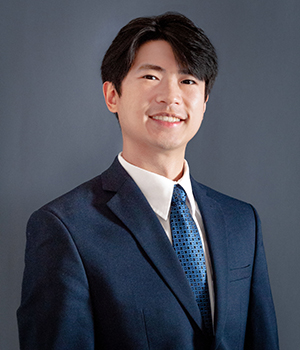 Royce Lee
Internal Medicine
Where is your hometown?
Bala Cynwyd, Pennsylvania (near Philly)
What made you want to enter into the medical field?
Growing up in a low-income, immigrant family, I saw how challenging it can be to navigate health care systems and access resources. Those experiences, combined with mentors who supported me along the way, inspired me to pursue medicine and to help others facing similar barriers. I was also drawn to the combination of science, human connection and service that defines the field.
Why did you choose the Johns Hopkins University School of Medicine?
Hopkins stood out to me for its culture of mentorship, academic rigor and commitment to their patients. I was excited by the opportunity to learn in an environment where all three are deeply integrated while also engaging with the Baltimore community. It is still crazy to think that I’ve learned under pioneers and leaders in every department!
What is your focus area of study?
Internal medicine
What has been your best/most memorable experience while at Johns Hopkins?
One of my most memorable experiences was being on the Janeway firm during my internal medicine sub-I. It was the first time I truly felt responsible for helping guide patients’ care (and the first time I had to stay up for 28 hours!). It was a moment when everything I had learned throughout medical school seemed to come together. I still have much to learn, but I am grateful for the interns, residents and attendings who mentored me throughout that month.
What would you most like to be remembered for?
I hope to be remembered as a kind person, someone who went out of their way to make other people’s days a little better.
What are your plans for the future?
I plan to train in internal medicine and continue developing my interest in oncology, with the goal of pursuing a fellowship in hematology/oncology.
Tell us something interesting about yourself that makes you unique.
I’m getting married to my college sweetheart soon! Also, I hate cheese.
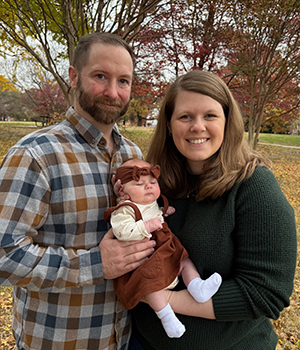
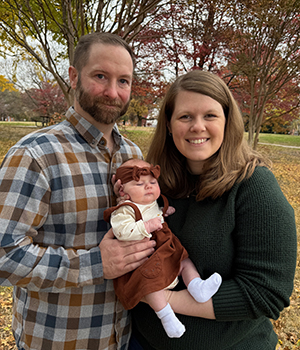 Christy Ray
Gynecology and Obstetrics
What is your hometown? Hazel Green, Alabama
What made you want to enter the medical field?
I first enrolled at Hopkins as a Ph.D. student in biomedical engineering. As part of the BME curriculum, I had the opportunity to take some of the first-year medical school courses alongside the M.D. students. In my first week of anatomy, I realized that as much as I loved contributing to scientific advances through my research, I also was passionate about working directly with people and using my knowledge for a more immediate benefit in their lives. I applied to the M.D./Ph.D. program during the fall of my second year of graduate school and started medical school the next year.
Why did you choose the Johns Hopkins University School of Medicine?
I originally chose Johns Hopkins for my Ph.D. studies because of the great training and research opportunities in biomedical engineering. I was particularly interested in the Dr. Feilim Mac Gabhann's mechanistic computational modeling work for cancer therapeutics, and I joined his lab for my thesis research. I also loved all of the people I met during my interview, and I felt like the environment was incredibly collegial and supportive. Since I was already established and very happy in my Ph.D. lab by the time I applied to medical school, Hopkins was the only M.D. program I applied to!
What is your focus area of study?
My Ph.D. research was in systems pharmacology for cancer therapeutics, and my dissertation was titled "Multiscale Mechanistic Modeling of Monospecific and Bispecific Antibodies Targeting IL-6R/IL-8R in Cancer Metastasis." I built a differential equation-based model of the binding interactions between the antibodies and their target receptors, and I used model simulations to identify key system behaviors with the goal of informing future therapeutic design.
For residency, I applied to gynecology and obstetrics (Gyn/Ob), and I am hoping to pursue a career as a physician-scientist, using my research to fill gaps in our understanding of women’s health.
What has been your best/most memorable experience while at Hopkins? Between my Ph.D. and my M.D., I've been at Hopkins for almost 10 years, so I’ve had so many wonderful experiences here! I met my now husband just before I started medical school, we got married in the middle of my Ph.D., and last fall our little family grew with the birth of our daughter. I even delivered here at Hopkins!
What would you most like to be remembered for? I didn’t take the “standard” path through medical school, between first starting as a Ph.D. student before joining the M.D./Ph.D. program and then later having a baby during my clinical rotations. I want to be remembered for finding my own way, and I want to show others that it’s worth the work to pursue your dreams, even if you have to take a slightly different route to get there.
What are your plans for the future? I am looking forward to finding my niche within Gyn/Ob, and I hope to work in an academic center where I can balance my clinical interests with roles in medical education and research.
Tell us something interesting about yourself that makes you unique. My husband and I are avid board gamers, and we have a huge shelf of board games that lives in our kitchen! We have a group of friends who we’ve had regular game nights with throughout medical school, and we’re all quite competitive.
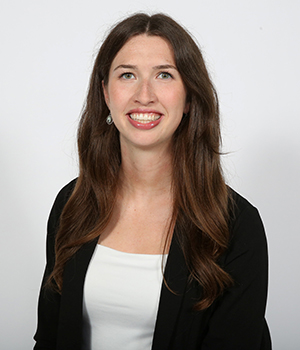
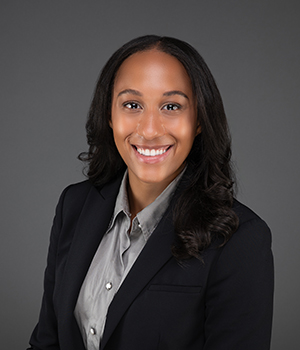 Megan Parker
Neurosurgery
Where is your hometown?
Las Vegas, Nevada
What made you want to enter into the medical field?
I always enjoyed STEM courses growing up, and my parents emphasized advocacy and community service. Medicine felt like the perfect intersection of my academic interests and the values I was raised with.
Why did you choose the Johns Hopkins University School of Medicine?
I was drawn to Johns Hopkins because of its strong tradition of physician-scientists and its culture of innovation. Going into medical school, I was particularly interested in neurosurgery and neuro-oncology, and Hopkins has an incredible legacy in both fields from both a clinical and research perspective.
What is your focus area of study?
Neurosurgery
What has been your best/most memorable experience while at Johns Hopkins?
During my first two years of medical school, I served as co-president of Community Adolescent Sexual Education (CASE), a student-led initiative through which we coordinated volunteers from the school of medicine, school of public health and school of nursing to teach sex education to middle school students in Baltimore public schools. I loved the opportunity to give back to the community and work with local youth.
What would you most like to be remembered for?
I am the first person in my family to attend medical school, which is something that means a lot to both me and my family.
What are your plans for the future?
I hope to match into neurosurgery this cycle. Long-term, I aspire to become a neurosurgeon-scientist — treating patients using advanced neurosurgical techniques while contributing research that advances the field of neuro-oncology.
Tell me something interesting about yourself that makes you unique.
I ran a half marathon each year of medical school.
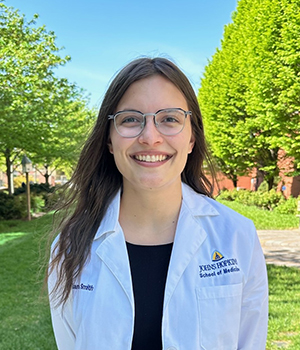
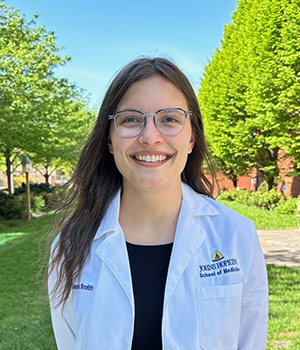 Kiara Smith
Pediatrics
Where is your hometown?
My hometown is Howe, Indiana.
What made you want to enter the medical field?
My two sisters were both diagnosed with lymphoma a few months apart when I was in fifth grade, and they were in treatment through my early years of high school. I was drawn to science and medicine as a means of understanding their illness and treatment, and I was drawn to the role of a physician specifically as someone who could translate that information for my family. I chose to enter the medical field because I saw how I could use the deep interest I’d developed in medicine to help families like my own through difficult and scary experiences with illness.
Why did you choose the Johns Hopkins University School of Medicine?
I applied to Hopkins because of its amazing history of advancing medicine, strong teaching reputation, and breadth of exposure available in clinical medicine and research. Another big factor in my decision was the excellent financial aid — this may not seem like a huge deal, but for me it’s been so meaningful because it allowed me to focus entirely on growing as a future physician and making the most of the opportunities I’d received. As someone who always had to balance work and school throughout high school and college, this was life-changing.
What has been your best/most memorable experience while at Johns Hopkins?
College Olympics in my first year of medical school was really memorable. Our class had just finished anatomy together, and having the opportunity to get together on a beautiful day and play kickball and soccer and cheer on my friends was a great way to acknowledge that we’d made it through a major challenge of our training. I got to celebrate with ice cream afterward with people who would become my closest friends in medical school, and I remember it as just an idyllic day that I was lucky to experience.
What would you most like to be remembered for?
I’m the first in my family to graduate from college (along with my twin sister!), and I’d like to be remembered for advocating for first-generation students like myself and creating opportunities for them to learn about careers in medicine.
What are your plans for the future?
I’m planning to start pediatrics residency in the summer, and would like to focus not only on becoming a great pediatrician, but a source of assurance and tangible support for families via work with community organizations. I’d also like to grow into a memorable teacher through work with medical students and other trainees. After residency, I’m strongly considering pursuing fellowship in hematology-oncology.
Tell us something interesting about yourself that makes you unique.
I have six nieces and nephews back home, and my oldest niece is coming out to join us for Match Day!
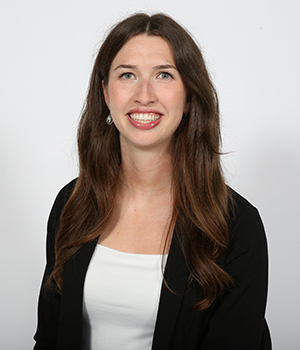 Clare Zarka
Family Medicine
Where is your hometown?
Bedford, New Hampshire
What made you want to enter into the medical field?
I was drawn to medicine because of the chance to build meaningful, trusting relationships and to personally care for people who may not feel cared for in our world. I have been deeply guided by my faith, and I see medicine as a way tolove strangers through my work every day. Many of the people I have admired most in the world for their capacity to love so generously, like my parents, other family members, and even a former boss, have worked as doctors, nurses or physical therapists. The way they cared for others showed me that medicine could be a way to extend love to those who need it most, and I wanted to do the same.
Why did you choose the Johns Hopkins University School of Medicine?
The faculty and residents at Hopkins are incredibly devoted to advancing medicine for the sake of their patients. I knew that at Hopkins I would be learning not only from outstanding clinicians but also from individuals who have centered their careers on promoting justice in healthcare and caring for underserved populations. The role models here are endless, and their mentorship, dedication and genuine excitement for teaching are remarkable!
What is your focus area of study?
Family medicine and street medicine
What has been your best/most memorable experience while at Johns Hopkins?
During my pediatrics rotation, a few classmates and I completed a very earnest adolescent HEADSSS assessment… on an elderly standardized patient who was giving the performance of a lifetime.
What would you most like to be remembered for?
For being kind.
What are your plans for the future?
I hope to become a doctor for people experiencing homelessness, helping my patients access basic rights like healthcare and housing. I also plan to continue learning from my patients, colleagues and, hopefully, students one day. And, of course, I look forward to attending many more concerts.
Tell us something interesting about yourself that makes you unique.
During fourth year of medical school, I started working at my favorite study spot, a bakery in Highlandtown, and spent the year eating lots of yummy bread.