Research Lab Results
-
Kristine Glunde Lab
The Glunde lab is within the Division of Cancer Imaging Research in the Department of Radiology and Radiological Science. The lab is developing mass spectrometry imaging as part of multimodal molecular imaging workflows to image and elucidate hypoxia-driven signaling pathways in breast cancer. They are working to further unravel the molecular basis of the aberrant choline phospholipid metabolism in cancer. The Glunde lab is developing novel optical imaging agents for multi-scale molecular imaging of lysosomes in breast tumors and discovering structural changes in Collagen I matrices and their role in breast cancer and metastasis. -
James Hamilton Lab
The James Hamilton laboratory performs pre-clinical experiments and basic studies investigating liver inflammation, fibrosis, and nuclear receptor signaling. In close collaboration with Dr Svetlana Lutsenko in Physiology, their team performs detailed studies of hepatocyte and non-parenchymal cell isolation, culture, biology and genetic manipulation. Working with models of Wilson disease, a disorder of copper overload, they discovered that hepatic nuclear receptor mediated control of lipid metabolism is a preferential and early target of copper toxicity. Furthermore, targeting nuclear receptors with pharmacologic agonists prevents and reverses liver inflammation and fibrosis.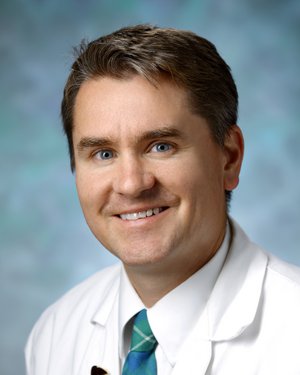
-
Drug Discovery Group
Barbara Slusher, M.A.S., Ph.D., leads a 20-member veteran drug discovery team of medicinal chemists, assay developers, pharmacologists, toxicologists and pharmacokinetic/drug metabolism experts, who identify novel drug targets arising from JHU faculty’s research and translate them into new, small molecule drug therapies. Her team collaborates extensively with faculty at the Bloomberg~Kimmel Institute for Cancer Immunotherapy and leads the BKI immunotherapy drug discovery core, aimed at developing new immune-targeting drug therapies for laboratory and clinical testing at Johns Hopkins. -
Lemberg Research Group
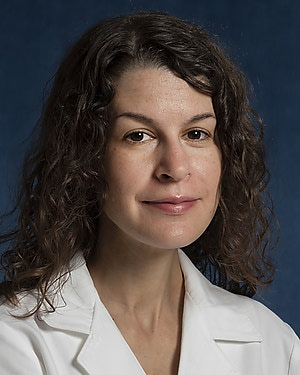
The mission of the Lemberg research group is to understand metabolism in childhood/young adult cancers in order to develop a better understanding of how these cancers develop, how they respond to treatments, and how children can go on to live healthy lives with or after a cancer history. We aim to investigate how tumors and the surrounding physiologic environments interact to drive nutrient use so that the tumor can grow and spread, and how the presence of a cancer affects the development of the whole child. Our ultimate goal is to improve outcomes for children and young adults with cancer.
-
Marie-France Penet Lab
The Penet lab is within the Division of Cancer Imaging Research in the Department of Radiology and Radiological Science. The lab research focuses on using multimodal imaging techniques to better understand the microenvironment and improve cancer early detection, especially in ovarian cancer. By combining MRI, MRS and optical imaging, we are studying the tumor microenvironment to understand the role of hypoxia, tumor vascularization, macromolecular transport and tumor metabolism in tumor progression, metastasis and ascites formation in orthotopic models of cancer. We also are studying the role of tumor-associated macrophages in tumor progression.