Research Lab Results
-
Robert Anders Lab
Dr. Anders’ laboratory focuses on the basic processes that lead to cancer. His team approaches these questions through the use of both experimental models and examination of human tissues. His team is specifically interested in interrogating the immune microenvironment of cancer, detecting circulating cancer cells and preventing cancer metastasis. -
Reezwana Chowdhury Lab
The Reezwana Chowdhury Lab performs clinical research on Inflammatory Bowel Disorder and colorectal cancer.
-
Richard John Jones Lab
The Richard J. Jones Lab studies normal and cancerous stem cells in order to make clinical improvements in areas such as blood and marrow transplantation (BMT). We discovered one of the most common stem-cell markers, Aldefluor, which identifies cells based on their expression of aldehyde dehydrogenase 1 (ALDH1), and have used this marker to detect and characterize normal stem cells and cancer stem cells from many hematologic malignancies. We also developed post-transplant cyclophosphamide and effective related haploidentical BMT.
-
James Hamilton Lab
The James Hamilton laboratory performs pre-clinical experiments and basic studies investigating liver inflammation, fibrosis, and nuclear receptor signaling. In close collaboration with Dr Svetlana Lutsenko in Physiology, their team performs detailed studies of hepatocyte and non-parenchymal cell isolation, culture, biology and genetic manipulation. Working with models of Wilson disease, a disorder of copper overload, they discovered that hepatic nuclear receptor mediated control of lipid metabolism is a preferential and early target of copper toxicity. Furthermore, targeting nuclear receptors with pharmacologic agonists prevents and reverses liver inflammation and fibrosis.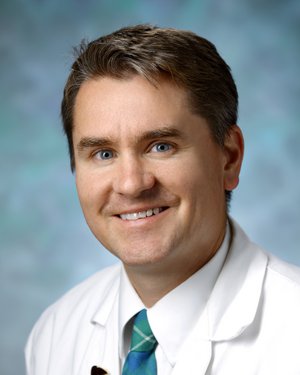
-
Jeff Bulte Lab
The clinical development of novel immune and stem cell therapies calls for suitable methods that can follow the fate of cells non-invasively in humans at high resolution. The Bulte Lab has pioneered methods to label cells magnetically (using tiny superparamagnetic iron oxide nanoparticles) in order to make them visible by MR imaging. While the lab is doing basic bench-type research, there is a strong interaction with the clinical interventional radiology and oncology groups in order to bring the methodologies into the clinic.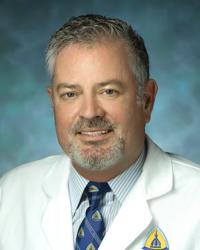
-
Jungsan Sohn
Dr. Sohn's lab is interested in understanding how biological stress-sensors are assembled, detect danger signals and initiate stress response. Innate immunity is the first line of defense against invading pathogens in higher eukaryotes. We are using in vitro quantitative biochemical assays and mutagenesis and x-ray crystallography to investigate the underlying operating principles of inflammasomes, a component of the innate immune system, to better understand biological stress sensors. -
Accessible Magnetic Resonance Laboratory
VISION: To make MRI more equitable and inclusive
MISSION: To develop and deploy MRI tools and methods to enable accessible imaging of underserved populations
-
Brent Petty Lab
Dr. Petty's laboratory interests focuses on antimicrobial chemotherapy, hospital-based medical practices, and internal medicine collaboration with ophthalmologic clinical trials.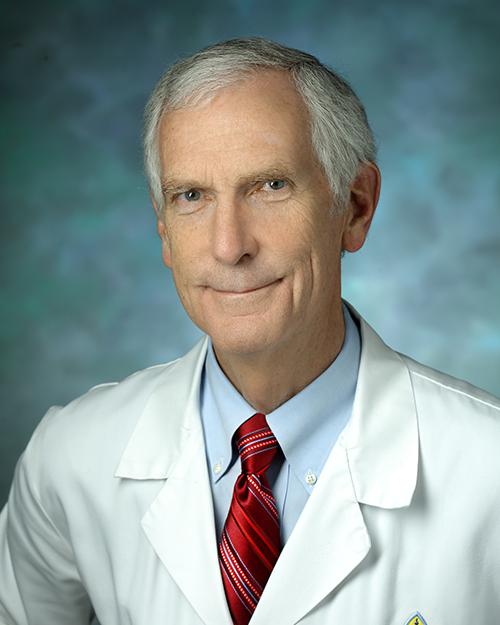
-
Zambidis Laboratory
The Zambidis Labratory studies the formation of pluripotent stem cells and the subsequent hematopoietic, endothelial and cardiac differentiation, as well as the potential therapeutic uses of pluripotent stem cell-derived cells.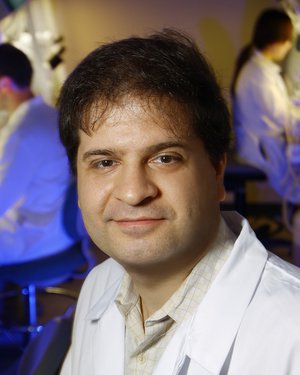
-
Liliana Florea Lab
Research in the Liliana Florea Lab applies computational techniques toward modeling and problem solving in biology and genetic medicine. We work to develop computational methods for analyzing large-scale sequencing data to help characterize molecular mechanisms of diseases. The specific application areas of our research include genome analysis and comparison, cDNA-to-genome alignment, gene and alternative splicing annotation, RNA editing, microbial comparative genomics, miRNA genomics and computational vaccine design. Our most recent studies seek to achieve accurate and efficient RNA-seq correction and explore the role of HCV viral miRNA in hepatocellular carcinoma.