Research Lab Results
-
Seth Martin Lab
Dr. Martin's research is focused on rapid generation of new knowledge through clinical studies that can be brought back to the bedside to directly inform the care of patients with advanced lipid disorders and those in need of state-of-the-art comprehensive CV prevention. Members of his lab commit to complete ownership of their project, unwavering pursuit of excellence, and thrive on multidisciplinary teamwork. Active projects include the Very Large Database of Lipids, CASCADE FH Registry, MiCORE (Myocardial infarction, COmbined device, Recovery Enhancement), Google Health Search Trial, and mActive-Smoke. For more information, please visit the Ciccarone Center.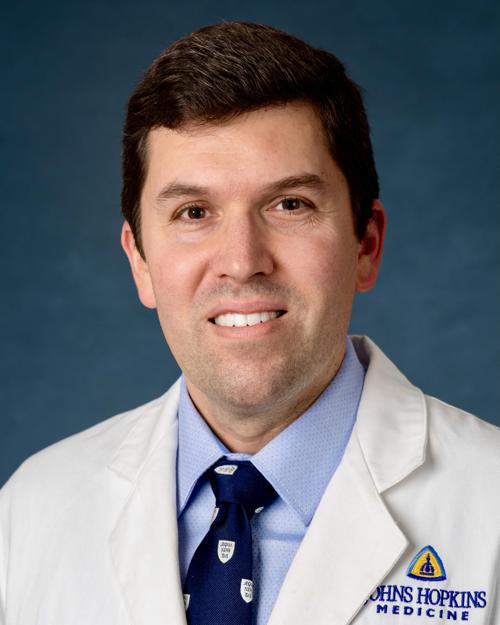
-
Samantha Pitts Lab
Research in the Samantha Pitts Lab focuses on care safety and quality in ambulatory patients. Specifically, our activities have included applying the Comprehensive Unit-based Safety Program (CUSP) in office-based practices and improving the delivery of evidence-based care through clinical care teams.
-
S.C.O.R.E. Lab
The mission of the Stroke Cognitive Outcomes and Recovery (S.C.O.R.E.) Lab is to enhance knowledge of brain mechanisms that allow people recover language, empathy, and other cognitive and communicative functions after stroke, and to improve ways to facilitate recovery of these functions after stroke. We also seek to improve the understanding of neurobiology of primary progressive aphasia., and how to enhance communication in people with this group of clinical syndromes. -
Schneck Lab
Effective immune responses are critical for control of a variety of infectious disease including bacterial, viral and protozoan infections as well as in protection from development of tumors. Central to the development of an effective immune response is the T lymphocyte which, as part of the adaptive immune system, is central in achieving sterilization and long lasting immunity. While the normal immune responses is tightly regulated there are also notable defects leading to pathologic diseases. Inactivity of tumor antigen-specific T cells, either by suppression or passive ignorance allows tumors to grow and eventually actively suppress the immune response. Conversely, hyperactivation of antigen-specific T cells to self antigens is the underlying basis for many autoimmune diseases including: multiple sclerosis; arthritis; and diabetes. Secondary to their central role in a wide variety of physiologic and pathophysiologic responses my lab takes a broad-based approach to studying T cell responses. -
Saraswati Sukumar Lab
Our lab is focused on using comprehensive gene expression, methylation and sequencing and metabolomics analysis to identify alterations in breast cancer, and exploiting these for early detection and therapy. Among deferentially expressed genes, our lab has focused on the HOX genes. HOX genes are intimately involved in the development of resistance to both chemotherapy and to agents targeting the estrogen receptor. Our work explores the alternate pathways that are activated by HOX proteins leading to this resistance and novel treatments to overcome resistance in both tissue culture and xenograft models. In addition, epigenetically silenced genes and a metabolic reprogramming in tumors also trigger novel early detection and therapeutic strategies. We are testing the utility of differentiation therapy through reactivating RAR-beta in breast cancer using histone deacetylase inhibitors with great success. Also, we are targeting enzymes involved in gluconeogenesis and glycolysis with small molecule FDA-approved antimetabolites to achieve antitumor effects.
-
Robert H. Brown Lab
Work in the Robert H. Brown Lab explores several topics within pulmonary physiology, with a long-term goal of understanding the structural changes in the lungs that lead to the pathophysiology of lung disease. Our core studies examine the structure-function relationship of pulmonary airways and vessels as well as their role in chronic obstructive pulmonary disease (COPD) and reactive airway disease. Recent research has involved studying the mechanisms and treatment of COPD progression, new methods for treating asthma, and lung inflation and airway hyperresponsiveness. We are also exploring the impact of HIV infection on the etiology of lung disease and the pathophysiologic consequences of lung distention. -
Robert Greenberg Lab
Researchers in the Robert Greenberg Lab examine anesthesiology and critical care-related topics that include critical airway management, non-invasive fetal monitoring, neural blockade monitoring, pediatric acute pain management, cuffed oropharyngeal airway (COPA), pain informatics, and pediatric pain education and innovation.