Research Lab Results
-
Platelet Physiology Research Lab
Dr. Williams' research focuses on platelet physiology particularly as it relates to acute coronary syndromes and depression. Her laboratory specifically examines platelet aggregation, flow cytometric analysis to measure platelet activation, platelet luminescence as a measure of the platelet release reaction, many Elisa preparations in order to measure platelet function, platelet genotyping to determine the presence of certain platelet polymorphisms, and various other assays to distinguish mechanisms of platelet dysfunction. The goal for her cardiovascular platelet laboratory is to identify the etiology of platelet dysfunction in many disease states and apply methods that may improve this dysfunction that can eventually be translated to therapies for patients with cardiovascular disease. Scientific techniques performed in the lab include: flow cytometric analysis, platelet microparticle identification, and protein immunoprecipitation among other techniques.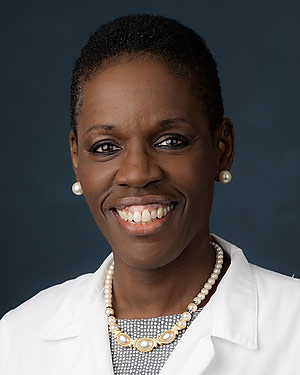
-
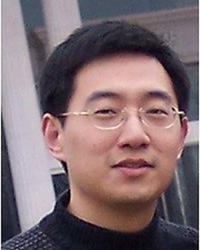
Jun Hua Lab
Dr. Hua's research has centered on the development of novel MRI technologies for in vivo functional and physiological imaging in the brain, and the application of such methods for studies in healthy and diseased brains. These include the development of human and animal MRI methods to measure functional brain activities, cerebral perfusion and oxygen metabolism at high (3 Tesla) and ultra-high (7 Tesla and above) magnetic fields. He is particularly interested in novel MRI approaches to image small blood and lymphatic vessels in the brain. Collaborating with clinical investigators, these techniques have been applied 1) to detect functional, vascular and metabolic abnormalities in the brain in neurodegenerative diseases such as Huntingdon's disease (HD), Parkinson's disease (PD), Alzheimer's disease (AD) and mental disorders such as schizophrenia; and 2) to map brain functions and cerebrovascular reactivity for presurgical planning in patients with vascular malformations, brain tumors and epilepsy. -
Jeffrey Dodd-o Lab
Research in the Jeffrey Dodd-o Lab aims to better understand the contributing factors of lung ischemia/reperfusion injuries and the role these injuries play in the lung dysfunction of patients soon after cardiopulmonary bypass surgery. We have created an ischemia/reperfusion model in a spontaneously breathing mouse that they use with an in situ mouse lung preparation to identify cardiopulmonary interactions that impact reperfusion-related lung injury. We are working to characterize the influence of atrial natriuretic peptide (ANP) on lung microvascular permeability. -
Deborah Schwengel Lab
Research in the Deborah Schwengel Lab focuses on perioperative care of pediatric patients with obstructive sleep apnea as well as anesthetic care for patients undergoing ethanol embolization of vascular malformations. Our team also explores topics within graduate medical education. In this field, our work has involved evaluating both an educational curriculum and a disaster preparedness curriculum for anesthesiology residents. We also have a long-standing interest in international adoption medicine.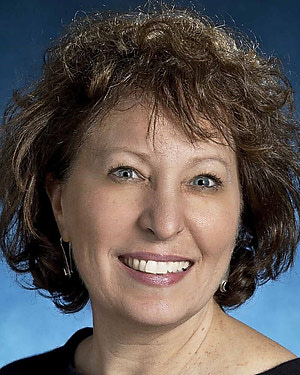
Principal Investigator
Department
-
David Thompson Lab
Researchers in the David Thompson Lab examine the outcomes of patients treated in intensive care units (ICUs), patient safety efforts, quality improvement efforts, and multidisciplinary teamwork and safety curriculum development. We're taking part in a study aimed at reducing hospital-acquired infections among cardiovascular surgery patients. Our investigators also participated in a clinical research collaboration that saw an 81 percent reduction in bloodstream infections related to central lines.
-
Zack Wang Lab
The Wang lab focuses on the signals that direct the differentiation of pluripotent stem cells, such as induced-pluripotent stem (iPS) cells, into hematopoietic and cardiovascular cells. Pluripotent stem cells hold great potential for regenerative medicine. Defining the molecular links between differentiation outcomes will provide important information for designing rational methods of stem cell manipulation.
-
Zaver M. Bhujwalla Lab – Cancer Imaging Research
Dr. Bhujwalla’s lab promotes preclinical and clinical multimodal imaging applications to understand and effectively treat cancer. The lab’s work is dedicated to the applications of molecular imaging to understand cancer and the tumor environment. Significant research contributions include 1) developing ‘theranostic agents’ for image-guided targeting of cancer, including effective delivery of siRNA in combination with a prodrug enzyme 2) understanding the role of inflammation and cyclooxygenase-2 (COX-2) in cancer using molecular and functional imaging 3) developing noninvasive imaging techniques to detect COX-2 expressing in tumors 4) understanding the role of hypoxia and choline pathways to reduce the stem-like breast cancer cell burden in tumors 5) using molecular and functional imaging to understand the role of the tumor microenvironment including the extracellular matrix, hypoxia, vascularization, and choline phospholipid metabolism in prostate and breast cancer invasion and metastasis, with the ultimate goal of preventing cancer metastasis and 6) molecular and functional imaging characterization of cancer-induced cachexia to understand the cachexia-cascade and identify novel targets in the treatment of this condition. -
Larissa Shimoda Lab
Research in the Larissa Shimoda Lab focuses on several important topics within pulmonary and critical care medicine. We primarily study pulmonary arterial responses to chronic hypoxia as well as hypoxic pulmonary vasoconstriction and oxidant-mediated lung injury. Our recent research has included investigating the effects of chronic hypoxia on pulmonary circulation and the ways in which hypoxia-inducible factors impact pulmonary vascular responses to hypoxia. We have also studied vascular remodeling in patients with pulmonary hypertension.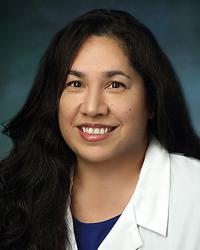
-
Lisa Cooper Lab
The Lisa Cooper Lab is dedicated to researching patient-centered interventions for improving health outcomes and overcoming racial and ethnic disparities in health care. Our primary focus is on the factors of physician communication skills and cultural competence training, patient shared decision-making and self-management skills training. Recently, we have explored patient-centered depression care for African Americans, tactics for improving patient-physician communication about management of hypertension, and reducing ethnic and social disparities in health. In addition, we are currently researching racial disparities in cardiovascular health outcomes for patients living in Baltimore. -
Laura Hummers Lab
The Laura Hummers Lab participates in a number of clinical trials and clinical investigations at the Scleroderma Center at Johns Hopkins. We have a particular interest in the predictors of outcomes in scleroderma. We’ve established a prospective cohort of 300 scleroderma patients to identify incident vascular outcomes in the hopes of identifying new biomarkers for disease development and progression.