Research Lab Results
-
The Boss Lab
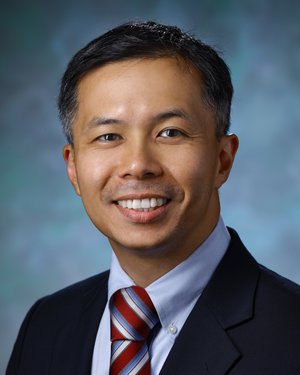
The Boss Lab's research focus is on patient experience, health disparities, and surgical outcomes and utilization. Studies include shared decision-making, communication, and patient/parent-reported outcomes for elective surgery in children; patient satisfaction metrics, outcomes, and health correlates in surgery and pediatrics; patient and family-centered care and communication in surgery and pediatrics; racial, ethnic, and socioeconomic disparities in pediatric surgical care utilization and outcomes; and quality and safety in pediatric surgical care -
Stephen Sozio Lab
Dr. Sozio’s research focuses on 1) Clinical research related to chronic kidney disease and end stage renal disease, and 2) Educational research in undergraduate and graduate medical education.
The Sozio lab pursues work related to stroke, cognitive impairment, manifestations of kidney disease, and systematic reviews on clinical topics, and collaborates on multiple projects with other key investigators. In particular, Dr. Sozio has been an active investigator in the Choices for Healthy Outcomes in Caring for ESRD (CHOICE) Study, Predictors of Arrhythmic and Cardiovascular Risk in End Stage Renal Disease (PACE) Study, Chronic Renal Insufficiency Cohort (CRIC) Study, and work funded through the Agency for Healthcare Research and Quality (AHRQ) and Johns Hopkins Evidence-Based Practice Center. In addition, the Sozio lab performs studies at the UME and GME levels, investing in understanding learners’ mentorship, research, and transitional experiences.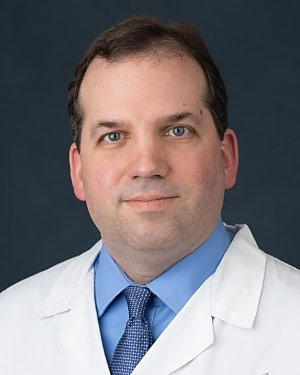
-
Suman Paul Laboratory
At the Suman Paul laboratory, we are focused on developing new antibodies and cell therapies for cancer treatment. Our team of researchers are dedicated to identifying novel targets, mechanisms for cancer therapy and developing innovative solutions to improve patient outcomes. We work closely with basic science researchers and clinicians to accelerate the translation of our discoveries into clinical practice. -
Saleh Alqahtani Lab
The Saleh Alqahtani Lab has conducted clinical research on the management of fatty liver disease and viral hepatitis, including novel therapies. We’ve also been involved in various clinical trials related to liver cirrhosis, liver cancer and outcomes of liver transplant patients. -
S.C.O.R.E. Lab
The mission of the Stroke Cognitive Outcomes and Recovery (S.C.O.R.E.) Lab is to enhance knowledge of brain mechanisms that allow people recover language, empathy, and other cognitive and communicative functions after stroke, and to improve ways to facilitate recovery of these functions after stroke. We also seek to improve the understanding of neurobiology of primary progressive aphasia., and how to enhance communication in people with this group of clinical syndromes. -
Sanjay Desai Lab
Research in the Sanjay Desai Lab focuses primarily on clinical outcomes in survivors of critical illnesses, such as acute lung injury. We also investigate techniques to improve graduate medical education and are conducting a clinical trial on the comparative effectiveness of models that optimize patient safety and resident education. Our research examines factors such as residency work-hour reform, hand hygiene practices and the use of etiquette-based communication.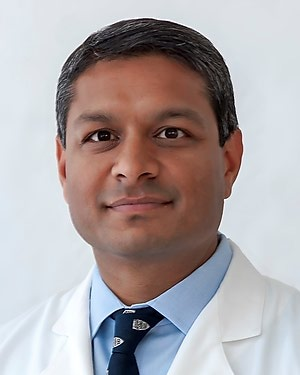
-
Richard Chaisson Lab
Research in the Richard Chaisson Lab primarily examines tuberculosis and HIV infection, with specific focus on global epidemiology, clinical trials, diagnostics and public health interventions. Our recent research has involved evaluating a molecular diagnostic test for tuberculosis in HIV patients; observing TB responses during treatment of pulmonary tuberculosis; and examining antiretroviral therapy adherence, virologic and immunologic outcomes in adolescents compared with adults in Southern Africa.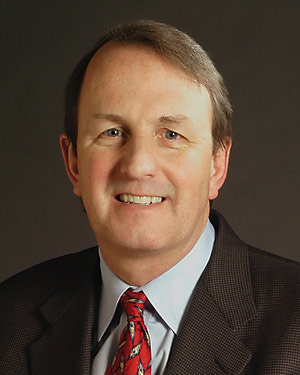
-
Rahul Koka Lab
Research in the Rahul Koka Lab focuses on pediatric airways, patient safety and health disparities. Recent studies have focused on the relationship between socioeconomic status and perioperative outcomes and patient safety factors related to interoperative cardiac arrests. We also performed effects analyses of the maintenance and repair of anesthetic equipment in various medical environments. -
Richard Moore Lab
Research interests in the Richard Moore Lab include clinical epidemiology, costs, cost-effectiveness and outcomes of HIV/AIDS. We recently examined whether the effect of delaying antiretroviral therapy initiation in HIV-positive adults is modified by age at entry into care.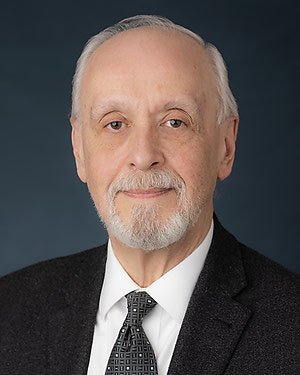
-
Romsai Boonyasai Lab
Research in the Romsai Boonyasai Lab focuses on systems-based approaches for improving health care quality, including reducing harm during care transitions after hospital discharge and improving outcomes related to hypertension and other chronic diseases. We recently have focused on developing and evaluating practice-based tools for improving the accuracy of blood pressure measurement, overcoming clinical inertia to treatment, and engaging patients in self-management of their health.