Research Lab Results
-
Chordoma Lab
Chordoma research is led by a comprehensive team including Gary Gallia, M.D., director of the Neurosurgery Skull Base Tumor Center. The laboratory focuses on developing new therapies for brain and skull base tumors, and has established the first primary skull base chordoma xenograft mouse model. The team is also exploring high throughput drug screening using the chordoma model, and the molecular pathways responsible for tumor maintenance and growth. -
Christian Merlo Lab
Work in the Christian Merlo Lab includes studies on pulmonary arteriovenous malformations, outcomes in lung transplantation and treatment of cystic fibrosis (CF), and HIV-related pulmonary disease. We have studied methods of diagnosing and managing pulmonary arteriovenous malformations as well as the outcomes of adult CF patients who are infected with multiple antibiotic-resistant Pseudomonas aeruginosa. Our recent research has also explored recipient and donor variables in the success or failure of lung transplants, and ways in which national healthcare delivery systems impact lung transplant outcomes for CF patients.
-
Christine Durand Lab
Dr. Christine Durand, assistant professor of medicine and oncology and member of the Johns Hopkins Kimmel Cancer Center, is involved in clinical and translational research focused on individuals infected with HIV and hepatitis C virus who require cancer and transplant therapies. Her current research efforts include looking at outcomes of hepatitis C treatment after solid organ transplant, the potential use of organs from HIV-infected donors for HIV-infected solid organ transplant candidates, and HIV cure strategies including bone marrow transplantation. Dr. Durand is supported by multiple grants: • R01 from the National Institute of Allergy and Infectious Diseases (NIAID) to study HIV-to-HIV organ transplantation in the US. • K23 from the National Cancer Institute (NCI) to study antiretroviral therapy during bone marrow transplant in HIV-1 infection. • U01 from the NIAID to study HIV-to-HIV deceased donor kidney transplantation. U01 from the NIAID to study HIV-to-HIV deceased donor liver transplantation.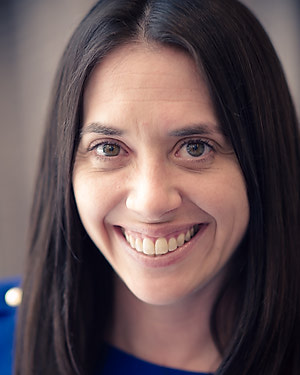
-
Christopher A. Ross Lab
Dr. Ross and his research team have focused on Huntington's disease and Parkinson's disease, and now are using insights from these disorders to approach more complex diseases such as schizophrenia and bipolar disorder. They use biophysical and biochemical techniques, cell models, and transgenic mouse models to understand disease processes, and to provide targets for development of rational therapeutics. These then can provide a basis for developing small molecule interventions, which can be used both as probes to study biology, and if they have favorable drug-like properties, for potential therapeutic development. We have used two strategies for identifying lead compounds. The first is the traditional path of identification of specific molecular targets, such as enzymes like the LRRK2 kinase of Parkinson’s disease. Once structure is known, computational approaches or fragment based lead discovery, in collaboration, can be used. The second is to conduct phenotypic screens using cell models, or in a collaboration, natural products in a yeast model. Once a lead compound is identified, we use cell models for initial tests of compounds, then generate analogs, and take compounds that look promising to preclinical therapeutic studies in animal models. The ultimate goal is to develop therapeutic strategies that can be brought to human clinical trials, and we have pioneered in developing biomarkers and genetic testing for developing strategies.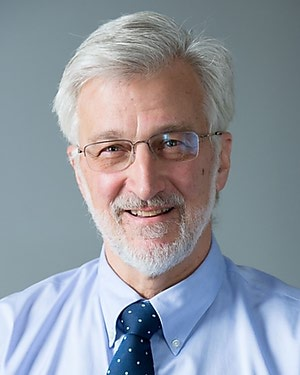
-
The Cihakova Lab
The Cihakova research laboratory is an immunology laboratory dedicated to the investigation of autoimmune diseases. Our most active research is focused on myocarditis and dilated cardiomyopathy. We expanded our interest in inflammatory heart diseases to include the study of immune mechanisms driving pericarditis and myocardial infarction. In addition, we are interested in the pathogenesis of a broad range of autoimmune diseases such as, Sjogren's syndrome, congenital complete heart block, and APECED (autoimmune polyendocrinopathy-candidiasis-ectodermal dystrophy). Through several collaborative projects we also investigate rheumatoid arthritis and the immune components of schizophrenia. -
Christopher Potter Lab
The Christopher Potter Lab functions at an intersection between systems and cellular neuroscience. We are interested in how neurons and circuits function in the brain to achieve a common goal (olfaction), but we also develop, utilize and build tools (molecular and genetic) that allow us to directly alter neuronal functions in a living organism. The specific focus of my laboratory is to understand how the insect brain receives, interprets, and responds to odors. Insects rely on their sense of smell for all major life choices, from foraging to mating, from choosing where to lay eggs to avoiding predators and dangers. We are interested in understanding at the neuronal level how odors regulate these behaviors. Our long-term aim is to apply this knowledge to better control insects that pose a threat to human health. Our general approach towards achieving this goal is to develop and employ new genetic methods that enable unprecedented control over neural circuits in both the model organism Drosophila melanogaster and human malaria vector Anopheles gambiae. -
Claire Snyder Lab
Researchers in the Claire Snyder Lab study the quality of cancer care, with a special focus on two areas: the quality of life for cancer patients undergoing treatment and the coordination of care between cancer specialists and primary care providers. As part of our quality-of-life research, we're investigating the use of patient-reported outcome questionnaires in routine oncology practice as well as developing a website for collecting the questionnaires and linking them with the electronic medical record. As part of our cancer-survivorship research, we've conducted large database studies to identify the physician specialties involved in the care of cancer survivors and to determine how that relates to survivors receiving recommended follow-up care. We're also working with investigators in the Sydney Kimmel Comprehensive Cancer Center to develop care strategies for breast cancer survivors.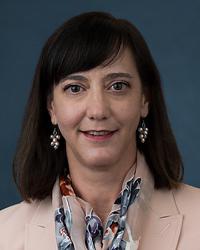
-
Charles Hugh Brown Lab
The Charles Hugh Brown Lab researches cognitive dysfunction, with a focus on quality of care and outcomes regarding perioperative management of older patients. Our studies explore post-operative delirium, cognitive changes and transfusion practices. We also have a longstanding interest in cerebral autoregulation and its role in post-surgical outcomes. -
Craig W. Hendrix Lab
Research in the Craig W. Hendrix Lab concentrates on the chemoprevention of HIV infection, clinical pharmacology of antiviral drugs, drug interactions, and oral, topical and injectable HIV microbicide development. Our lab conducts small, intensive sampling studies of PK and PD of drugs for HIV prevention with a focus on developing methods to better understand HIV and drug distribution in the male genital tract, female genital tract and lower gastrointestinal tract. We also support numerous HIV pre-exposure prophylaxis development studies from phase I to phase III, largely as leader of the Pharmacology Core Laboratory of both the Microbicide Trial Network and HIV Prevention Trials Network. -
Courtney Robertson Lab
Work in the Courtney Robertson Lab is focused on identifying interventions that could minimize the neurological deficits that can persist after pediatric traumatic brain injury (TBI). One study used a preclinical model to examine potential disruption of mitochondrial function and alterations in cerebral metabolism. It was found that a substantial amount of mitochondrial dysfunction is present in the first six hours after TBI. In addition, we are using nuclear magnetic resonance spectroscopy to evaluate global and regional alterations in brain metabolism after TBI. We're also collaborating with researchers at the University of Pennsylvania to compare mitochondrial function after head injury in different clinically relevant models.