Research Lab Results
-
Susan Michaelis Lab
The Michaelis Laboratory's research goal is to dissect fundamental cellular processes relevant to human health and disease, using yeast and mammalian cell biology, biochemistry and high-throughput genomic approaches. Our team studies the cell biology of lamin A and its role in the premature aging disease Hutchinson-Gilford progeria syndrome (HGPS). Other research focuses on the core cellular machinery involved in recognition of misfolded proteins. Understanding cellular protein quality control machinery will ultimately help researchers devise treatments for protein misfolding diseases in which degradation is too efficient or not enough.
-
Seydoux Lab
The Seydoux Lab studies the earliest stages of embryogenesis to understand how single-celled eggs develop into complex multicellular embryos. We focus on the choice between soma and germline, one of the first developmental decisions faced by embryos. Our goal is to identify and characterize the molecular mechanisms that activate embryonic development, polarize embryos, and distinguish between somatic and germline cells, using Caenorhabditis elegans as a model system. Our research program is divided into three areas: oocyte-to-embryo transition, embryonic polarity and soma-germline dichotomy. -
Rasika Mathias Lab
Research in the Rasika Mathias Lab focuses on the genetics of asthma in people of African ancestry. Our work led to the first genomewide association study of its kind in 2009. Currently, we are analyzing the whole-genome sequence of more than 1,000 people of African ancestry from the Consortium on Asthma among African-ancestry Populations in the Americas (CAAPA). CAAPA’s goal is to use whole-genome sequencing to expand our understanding of how genetic variants affect asthma risk in populations of African ancestry and to provide a public catalog of genetic variation for the scientific community. We’re also involved in the study of coronary artery disease though the GeneSTAR Program, which aims to identify mechanisms of atherogenic vascular diseases and attendant comorbidities. -
Retrovirus Laboratory
Research in the Retrovirus Laboratory focuses on the molecular virology and pathogenesis of lentivirus infections. In particular, we study the simian immunodeficiency virus (SIV) to determine the molecular basis for the development of HIV CNS, pulmonary and cardiac disease. Research projects include studies of viral molecular genetics and host cell genes and proteins involved in the pathogenesis of disease. We are also interested in studies of lentivirus replication in macrophages and astrocytes and their role in the development of disease. These studies have led us to identify the viral genes that are important in neurovirulence of SIV and the development of CNS disease including NEF and the TM portion of ENV. The mechanisms of the action of these proteins in the CNS are complex and are under investigation. We have also developed a rapid, consistent SIV/macaque model in which we can test the ability of various antiviral and neuroprotective agents to reduce the severity of CNS and pulmonary disease. -
Zachariah Foda Lab
The Foda lab conducts basic, translational, and clinical research on the early detection, prevention, and interception of gastrointestinal cancers. In collaboration with the other member of the Johns Hopkins Cancer Genomics Lab (https://cancergenomicslab.com/), the group develops and applies whole-genome sequencing-based liquid biopsy methods for the early detection and monitoring of gastrointestinal cancers. These approaches are tested and validated in large multi-national cohorts through international collaborations. Dr. Foda directs the Johns Hopkins Hereditary Colorectal Cancer Registry, which facilitates clinical research related to Familial Adenomatous Polyposis, Lynch syndrome, and other hereditary polyposis conditions.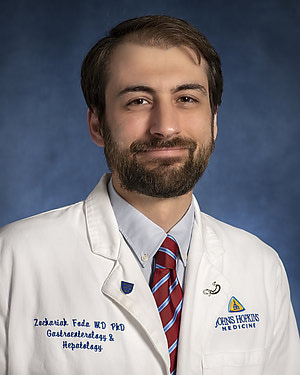
-
The Arking Lab
The Arking Lab studies the genomics of complex human disease, with the primary goal of identifying and characterizing genetics variants that modify risk for human disease. The group has pioneered the use of genome-wide association studies (GWAS), which allow for an unbiased screen of virtually all common genetic variants in the genome. The lab is currently developing improved GWAS methodology, as well as exploring the integration of additional genome level data (RNA expression, DNA methylation, protein expression) to improve the power to identify specific genetic influences of disease. The Arking Lab is actively involved in researching: • autism, a childhood neuropsychiatric disorder • cardiovascular genomics, with a focus on electrophysiology and sudden cardiac death (SCD) • electrophysiology is the study of the flow of ions in biological tissues Dan E. Arking, PhD, is an associate professor at the McKusick-Nathans Institute of Genetic Medicine and Department of Medicine, Division of Cardiology, Johns Hopkins University.