Research Lab Results
-
Michael Goggins Lab
The Michael Goggins Lab performs basic, translational, and clinical research on pancreatic cancer.
-
Hsin-Chieh Yeh Lab
Work in the Hsin-Chieh Yeh Lab focuses on clinical trials and cohort studies of diabetes, obesity and behavioral intervention, cancer and hypertension. Recent investigations have focused on novel risk factors and complications related to obesity and type 2 diabetes, particularly lung function, smoking and cancer. We recently co-led a randomized clinical trial of tailored dietary advice for consumption of dietary supplements to lower blood pressure and improve cardiovascular disease risk factors in hypertensive urban African Americans.
-
Heng Zhu Lab
The Zhu lab is focused on characterizing the activities of large collection of proteins, building signaling networks for better understanding the mechanisms of biological processes, and identifying biomarkers in human diseases and cancers. More specifically, our group is interested in analyzing protein posttranslational modifications, and identifying important components involved in transcription networks and host-pathogen interactions on the proteomics level, and biomarkers in human IBD diseases. -
The Pathak Lab
The Pathak lab is within the Division of Cancer Imaging Research in the Department of Radiology and Radiological Science. We develop novel imaging methods, computational models and visualization tools to ‘make visible’ critical aspects of cancer, stroke and neurobiology. Our research broadly encompasses the following areas: Functional and Molecular Imaging; Clinical Biomarker Development; Image-based Systems Biology and Visualization and Computational Tools. We are dedicated to mentoring the next generation of imagers, biomedical engineers and visualizers. Additional information can be found at www.pathaklab.org or by emailing Dr. Pathak. -
Spinal Oncology Lab
The bony skeleton is one of the most common sites of metastatic spread of cancer and a significant source of morbidity in cancer patients, causing pain and pathological fracture, impaired ambulatory ability and poorer quality of life.
In our continuous investigation of the mechanism of metastasis in spine tumors and of developing animal models and treatments, our team seeks to understand how cancer cells metastasize to the bony spine.
Our laboratory develops novel techniques to evaluate our animal models of metastatic spine disease. -
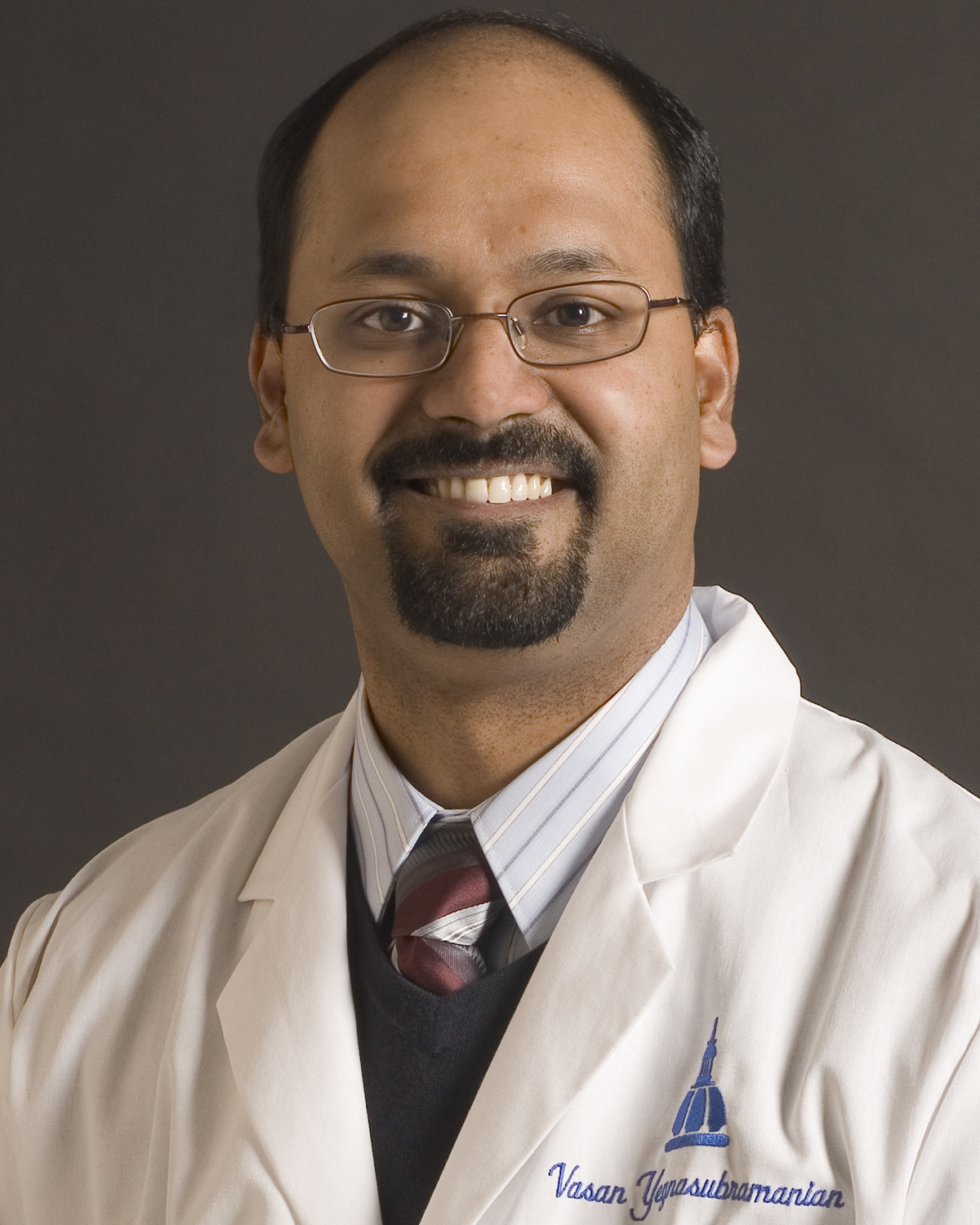
Srinivasan Yegnasubramanian Lab
Dr. Yegnasubramanian directs a Laboratory of Cancer Molecular Genetics and Epigenetics at the Sidney Kimmel Comprehensive Cancer Center (SKCCC), and is also the Director of the SKCCC Next Generation Sequencing Center. Our lab research is focused on understanding the complex interplay between genetic and epigenetic alterations in carcinogenesis and disease progression, and to exploit this understanding in developing novel biomarkers for diagnosis and risk stratification as well as in identifying targets for therapeutic intervention. -
The Sfanos Lab
The Sfanos Lab studies the cellular and molecular pathology of prostate disease at the Johns Hopkins University School of Medicine. We are specifically interested in agents that may lead to chronic inflammation in the prostate, such as bacterial infections and prostatic concretions called corpora amylacea. Our ongoing studies are aimed at understanding the influence of prostate infections and inflammation on prostate disease including prostate cancer and benign prostatic hyperplasia (BPH). The laboratory also focuses on the influence of the microbiome on prostate disease development, progression, and/or resistance to therapy. -
Stivers Lab
The Stivers Lab is broadly interested in the biology of the RNA base uracil when it is present in DNA. Our work involves structural and biophysical studies of uracil recognition by DNA repair enzymes, the central role of uracil in adapative and innate immunity, and the function of uracil in antifolate and fluoropyrimidine chemotherapy. We use a wide breadth of structural, chemical, genetic and biophysical approaches that provide a fundamental understanding of molecular function. Our long-range goal is to use this understanding to design novel small molecules that alter biological pathways within a cellular environment. One approach we are developing is the high-throughput synthesis and screening of small molecule libraries directed at important targets in cancer and HIV-1 pathogenesis. -
Sydney Dy Lab
The Sydney Dy Lab has conducted extensive research on quality of care, patient safety and decision-making, with a focus on patients with cancer and other serious and terminal diseases. Our team seeks to improve health systems and services to optimize the use of technology and medication, particularly in end-of-life health care policy. Our research approach includes primary and quantitative data collection, quality measurement improvement, systematic literature reviews and analysis of secondary database.
-
Saleh Alqahtani Lab
The Saleh Alqahtani Lab has conducted clinical research on the management of fatty liver disease and viral hepatitis, including novel therapies. We’ve also been involved in various clinical trials related to liver cirrhosis, liver cancer and outcomes of liver transplant patients.