
Research Lab Results
-
Theresa Shapiro Laboratory
The Theresa Shapiro Laboratory studies antiparasitic chemotherapy. On a molecular basis, we are interested in understanding the mechanism of action for existing antiparasitic agents, and in identifying vulnerable metabolic targets for much-needed, new, antiparasitic chemotherapy. Clinically, our studies are directed toward an evaluation, in humans, of the efficacy, pharmacokinetics, metabolism and safety of experimental antiparasitic drugs.
-
Thomas Grader-Beck Lab
Research in the Thomas Grader-Beck Lab aims to understand the pathogenesis of systemic autoimmune diseases—particularly systemic lupus erythematosus (SLE) and Sjögren’s syndrome—by taking a translational approach. Autoantibodies (antibodies that target self-molecules) are believed to contribute significantly to the disease process. We are studying mechanisms that may make self-structures immunogenic. We theorize that certain post-translational antigen modifications, which can occur in infections or malignant transformation, result in the expression of neoepitopes that spread autoimmunity in the proper setting. The team has combined studies that employ a number of mouse strains, certain gene-deficient mice and human biological specimens.
-
Thomas Quinn Lab
Research in the Thomas Quinn Lab encompasses epidemiology, pathogenesis and clinical features of HIV/AIDS internationally, which includes the interaction between STDs and tropical diseases on the natural history and spread of HIV/AIDS in developing countries. Our recent research has examined the viral kinetics and transmission probabilities of HIV among discordant couples with the subsequent design and application of interventions, including therapy to prevent transmission of HIV. Molecular studies have mapped the molecular epidemic of HIV on a global basis, linking virologic changes to the spread of HIV and measuring the demographic impact of the epidemic. -
Thomas W. Donner Lab
The Thomas W. Donner Lab focuses on type 1 and type 2 diabetes, with an emphasis on the prevention of complications in patients with these conditions. We’re currently collaborating with Dr. Abdel Hamad to inhibit B-regulatory cell apoptosis through a novel monoclonal antibody that targets the probable apoptotic factor. We also lead a multi-center, international consortium of researchers studying ways to prevent type 1 diabetes and preserve insulin secretion in people who have been recently diagnosed with the chronic condition.
-
Timothy Niessen Lab
The Timothy Niessen Lab studies patient outcomes in the ICU. We are particularly interested in the effects of sleep quality, delirium transitions and sedation on the improvement of intensive care patients. Our investigators also focus on the practices of internal medicine interns, studying the variability of hand washing hygiene, etiquette-based communication and time spent in direct and indirect patient care. We have also studied the onset of myelopathy as a result of B12 deficiency from long-term colchicine treatment and recreational nitrous oxide use.
-
Tinsay Woreta
The Woreta Lab does clinical and translational research on Hepatocellular Carcinoma; Liver Transplantation Outcomes; Chronic Viral Hepatitis.
-
Todd Brown Lab
The Todd Brown Lab focuses on metabolic, endocrine and skeletal abnormalities in HIV-infected patients, particularly as these factors relate to aging. Our studies take an epidemiologic approach to understanding the occurrence and prevalence of insulin resistance, diabetes, and anthropometric changes in HIV patients and their relationship to antiretroviral treatment.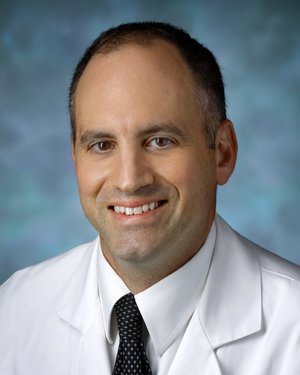
-
Todd Dorman Lab
Research conducted in the Todd Dorman Lab examines the use of informatics in intensive care settings as it relates to remote patient monitoring, safety and management strategies. Specific areas of interest include the surgical stress response; aminoglycoside antibiotics; fungal infections; renal failure; pharmacokinetic models of drug administration; and ICU triage and its impact on disaster preparedness.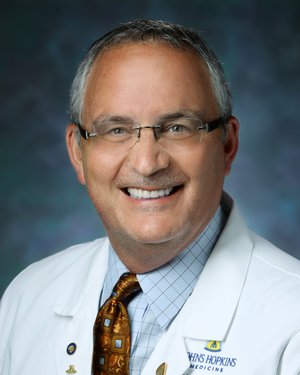
-
Tom Woolf Lab
The Tom Woolf Lab studies the quarter of the genome devoted to membrane proteins. This rapidly growing branch of bioinformatics, which includes computational biophysics, represents the main research direction of our group. We aim to provide insight into critical issues for membrane systems. In pursuit of these goals, we use extensive computer calculations to build an understanding of the relations between microscopic motions and the world of experimental measurements. Our calculations use our own Beowulf computer cluster as well as national supercomputer centers. An especially strong focus has been on the computed motions of proteins and all-atom models of the lipid bilayers that mediate their influence. To compute these motions, we use the molecular dynamics program CHARMM. We hope to use our understanding of the molecular motions for the prediction of membrane protein structures using new computational methods. -
Translational Informatics Research and Innovation Lab
The mission the Translational Informatics Research and Innovation (TIRI) Lab is to understand and create advanced technology and digital device solutions that address challenges to the translation of biomedical data science-informed guidance into clinical use to improve the health of individuals, especially for people that are often underrepresented in research.
