Research Lab Results
-
Rahul Koka Lab
Research in the Rahul Koka Lab focuses on pediatric airways, patient safety and health disparities. Recent studies have focused on the relationship between socioeconomic status and perioperative outcomes and patient safety factors related to interoperative cardiac arrests. We also performed effects analyses of the maintenance and repair of anesthetic equipment in various medical environments. -
Rakhi Naik Lab
The Rakhi Naik Lab studies sickle cell disease. We focus on complications related to the disease, including chronic kidney disease and venous thromboembolism. By defining the risks and factors for diseases related to the sickle cell trait, we hope to improve genetic counseling and screening and treatment recommendations. Other research in the lab examines the epidemiology and unique mechanisms of thrombosis in patients with hemoglobin disorders. Specifically, we are trying to identify mechanisms of hypercoagulability and develop treatments for patients with hemoglobinopathies.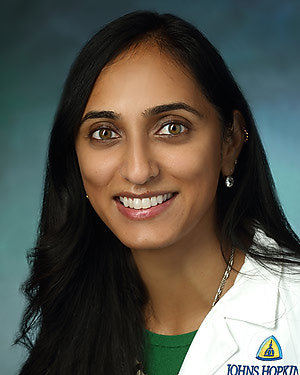
-
Rao Laboratory
The Rao Laboratory studies the roles of intracellular cation transport in human health and disease using yeast as a model organism. Focus areas include intracellular Na+(K+)/H+ exchange and Golgi CA2+(MN+) ATPases. -
Rasika Mathias Lab
Research in the Rasika Mathias Lab focuses on the genetics of asthma in people of African ancestry. Our work led to the first genomewide association study of its kind in 2009. Currently, we are analyzing the whole-genome sequence of more than 1,000 people of African ancestry from the Consortium on Asthma among African-ancestry Populations in the Americas (CAAPA). CAAPA’s goal is to use whole-genome sequencing to expand our understanding of how genetic variants affect asthma risk in populations of African ancestry and to provide a public catalog of genetic variation for the scientific community. We’re also involved in the study of coronary artery disease though the GeneSTAR Program, which aims to identify mechanisms of atherogenic vascular diseases and attendant comorbidities. -
Ratchford Lab
Prospective registry looking at cardiovascular risk assessment and risk reduction among firefighters.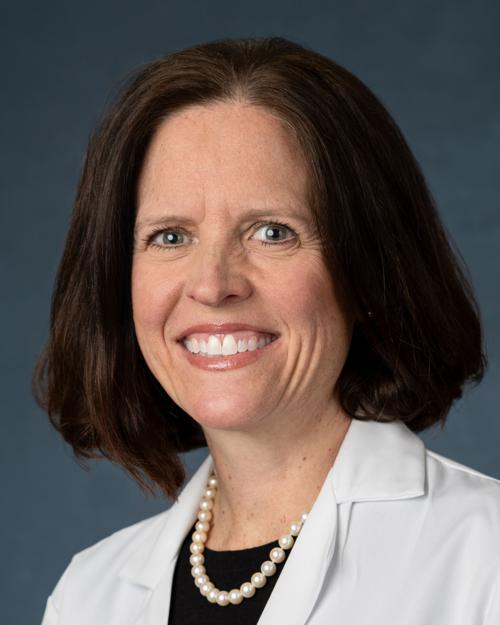
-
Raul Chavez-Valdez Lab
Dr. Raul Chavez-Valdez is an assistant professor in the Department of Pediatrics with great interest in the mechanisms of delayed injury and repair/regeneration in the developing neonatal brain following injury, specifically following hypoxic-ischemic encephalopathy (birth asphyxia). He collaborates with Dr. Frances Northington (Pediatrics) and Dr. Lee Martin (Pathology/Neuroscience) in unveiling the importance of programmed necrosis in the setting of brain injury induced by birth asphyxia. He is especially interested in the role of brain derived neurotrophic factor and neurotrophin-4 following birth asphyxia and the changes that may explain the suspected excitatory/ inhibitory (E/I) imbalance particularly in the hippocampus. His work is highly translational since delayed hippocampal injury due to E/I imbalance may explain memory deficits observed despite therapeutic hypothermia in neonates suffering birth asphyxia. All of these aspects of developmental neuroplasticity are the base of his Career Development Award (NIH/NINDS-K08 award) and applications to other agencies. Additionally, he is part of multiple clinical efforts as part of the Neuroscience Intensive Care Nursery (NICN). He has been a Sutland-Pakula Endowed Fellow of Neonatal Research since September 2013. -
Raymond Koehler Lab
Research in the Raymond Koehler Lab explores cerebrovascular physiology and cerebral ischemic injury caused by stroke and cardiac arrest, using protein analysis, immunohistochemistry and histology. We also study ischemic preconditioning, neonatal hypoxic-ischemic encephalopathy and the mechanisms of abnormal cerebrovascular reactivity after ischemia. We 're examining ways to improve tissue oxygenation and seek to better understand the mechanisms that connect an increase in cerebral blood flow to neuronal activity. -
Raymond Reid Lab
Research in the Raymond Reid Lab focuses on community health and pediatric infectious diseases among Native American populations; epidemiologic studies of enteric infections, Haemophilus influenzae, and pneumococcus; and field testing of vaccines and treatments. -
Redonda Miller Lab
Research in the Redonda Miller Lab is focused on women’s health, including osteoporosis and menopause, and medical education. We're also interested in physician practice issues.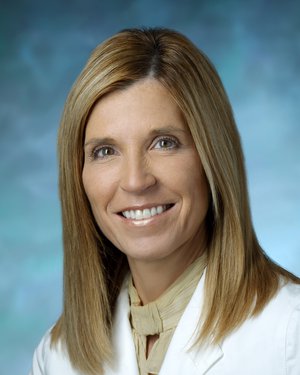
-
Reezwana Chowdhury Lab
The Reezwana Chowdhury Lab performs clinical research on Inflammatory Bowel Disorder and colorectal cancer.