Research Lab Results
-
The Barouch Lab
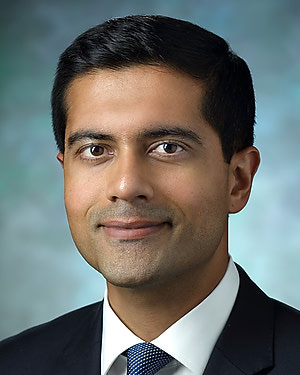
The Barouch Lab is focused on defining the peripheral cardiovascular effects of the adipocytokine leptin, which is a key to the understanding of obesity-related cardiovascular disease. Interestingly, many of the hormonal abnormalities seen in obesity are mimicked in heart failure. The research program will enhance the understanding of metabolic signaling in the heart, including the effects of leptin, exercise, sex hormones, and downstream signaling pathways on metabolism and cardiovascular function. The lab also is working to determine the precise role of the “metabolic” beta-3 adrenergic receptor (ß3AR) in the heart and define the extent of its protective effect in obesity and in heart failure, including its role in maintaining nitric oxide synthase (NOS) coupling. Ultimately, this work will enable the exploration of a possible therapeutic role of ß3AR agonists and re-coupling of NOS in preventing adverse ventricular remodeling in obesity and in heart failure. Lili Barouch, MD, is an associate professor of medicine in the Division of Cardiology and a member of the Advanced Heart Failure and Cardiac Transplantation group at the Johns Hopkins University School of Medicine.
-
The Arking Lab
The Arking Lab studies the genomics of complex human disease, with the primary goal of identifying and characterizing genetics variants that modify risk for human disease. The group has pioneered the use of genome-wide association studies (GWAS), which allow for an unbiased screen of virtually all common genetic variants in the genome. The lab is currently developing improved GWAS methodology, as well as exploring the integration of additional genome level data (RNA expression, DNA methylation, protein expression) to improve the power to identify specific genetic influences of disease. The Arking Lab is actively involved in researching: • autism, a childhood neuropsychiatric disorder • cardiovascular genomics, with a focus on electrophysiology and sudden cardiac death (SCD) • electrophysiology is the study of the flow of ions in biological tissues Dan E. Arking, PhD, is an associate professor at the McKusick-Nathans Institute of Genetic Medicine and Department of Medicine, Division of Cardiology, Johns Hopkins University.
-
Singh Lab: Stem Cell Transplant Group
The goal of the Singh Lab is to cure retinal degeneration due to genetic disease in patients. There are many retinal diseases such as Stargardts, Macular Degeneration, and Retinitis Pigmentosa, that are currently incurable. These diseases damage and eventually eliminate photoreceptors in the retina. The lab's aim is to take healthy photoreceptors derived from stem cells and transplant them into the patient’s retina to replace the lost photoreceptors. The transplanted photoreceptors are left to mature, make connections with the recipient’s remaining retina, and restore vision. Further, the lab is most interested in the cone-photoreceptor rich region of the macula, which is the central zone of the human retina, enabling high-acuity vision for tasks such as facial recognition and reading. -
Supendymoma and Ependymoma Research Center
The Johns Hopkins comprehensive Subependymoma and Ependymoma Research Center divideS its efforts into three areas: basic science, translational research and clinical practice. Each division works separately but shares findings and resources openly with each other and our collaborators. The goal of our united efforts is to optimize current treatments to affect the care received by patients with subependymomas and ependymomas. Also, our clinical, translational and basic science teams work to develop novel therapies to improve and extend the lives of those with these rare tumors.