Research Lab Results
-
The Hackam Lab for Pediatric Surgical, Translational and Regenerative Medicine
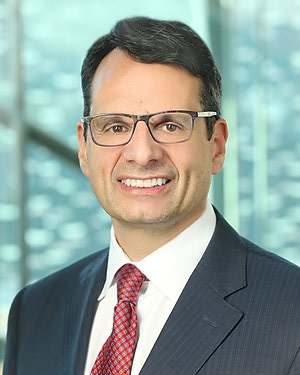
David Hackam’s laboratory focuses on necrotizing enterocolitis (NEC), a devastating disease of premature infants and the leading cause of death and disability from gastrointestinal disease in newborns. The disease strikes acutely and without warning, causing sudden death of the small and large intestines. In severe cases, tiny patients with the disease are either dying or dead from overwhelming sepsis within 24 hours. Surgical treatment to remove most of the affected gut results in lifelong short gut (short bowel) syndrome. The Hackam Lab has identified a critical role for the innate immune receptor toll-like receptor 4 (TLR4) in the pathogenesis of necrotizing enterocolitis. The lab has shown that TLR4 regulates the development of the disease by tipping the balance between injury and repair in the stressed intestine of the premature infant. Developing an Artificial Intestine A key goal is to create, in the laboratory, new intestines made from patients’ own cells, which can then be implanted into the patient to restore normal digestive function. This innovative design could transform child development and quality of life in necrotizing enterocolitis survivors without the risks of conventional donor transplant. -
Stivers Lab
The Stivers Lab is broadly interested in the biology of the RNA base uracil when it is present in DNA. Our work involves structural and biophysical studies of uracil recognition by DNA repair enzymes, the central role of uracil in adapative and innate immunity, and the function of uracil in antifolate and fluoropyrimidine chemotherapy. We use a wide breadth of structural, chemical, genetic and biophysical approaches that provide a fundamental understanding of molecular function. Our long-range goal is to use this understanding to design novel small molecules that alter biological pathways within a cellular environment. One approach we are developing is the high-throughput synthesis and screening of small molecule libraries directed at important targets in cancer and HIV-1 pathogenesis. -
Svetlana Lutsenko Laboratory
The research in the Svetlana Lutsenko Laboratory is focused on the molecular mechanisms that regulate copper concentration in normal and diseased human cells. To understand the molecular mechanisms of copper homeostasis in normal and diseased human cells, we utilize a multidisciplinary approach involving biochemical and biophysical studies of molecules involved in copper transport, cell biological studies of copper signaling, and analysis of copper-induced pathologies using Wilson's disease gene knock-out mice. -
Shigeki Watanabe Lab
Research in the Shigeki Watanabe Lab focuses on the cellular and molecular characterizations of rapid changes that occur during synaptic plasticity. Our team is working to determine the composition and distribution of proteins and lipids in the synapse as well as understand how the activity alters their distribution. Ultimately, we seek to discover how the misregulation of protein and lipid compositions lead to synaptic dysfunction. Our studies make use of cutting-edge electron microscopy techniques in combination with biochemical and molecular approaches.
-
Seydoux Lab
The Seydoux Lab studies the earliest stages of embryogenesis to understand how single-celled eggs develop into complex multicellular embryos. We focus on the choice between soma and germline, one of the first developmental decisions faced by embryos. Our goal is to identify and characterize the molecular mechanisms that activate embryonic development, polarize embryos, and distinguish between somatic and germline cells, using Caenorhabditis elegans as a model system. Our research program is divided into three areas: oocyte-to-embryo transition, embryonic polarity and soma-germline dichotomy. -
Sarbjit Saini Lab
The research in the Sarbjit Saini Laboratory focuses on IgE receptor biology and IgE receptor-mediated activation of blood basophils and mast cells. We have examined the role of IgE receptor expression and activation in allergic airways disease, anaphylaxis and chronic urticaria. Our research has been supported by the NIH, American Lung Association and the AAAAI. Our current research interests have focused mechanisms of diease in allergic asthma, allergic rhinitis and also translational studies in chronic idiopathic urticaria.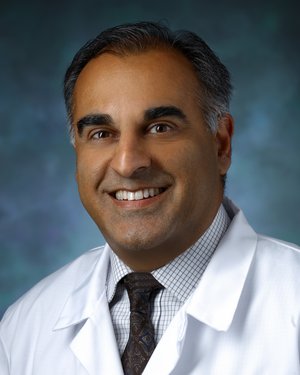
-
Ron Banerjee Lab
Our research aims to expand the understanding of how hormones regulate pancreatic islets in health and disease. Currently, a major focus of the lab is to define the normal adaptations of islets, particularly insulin-producing beta-cells, to the metabolic stress of pregnancy, and to determine how defective adaptation contributes to gestational diabetes mellitus (GDM). We anticipate that elucidating physiologic mechanisms of gestational beta-cell adaptation will identify novel therapeutic strategies to expand functional beta-cell mass which would help in the treatment of all types of diabetes. -
Ronald Schnaar Lab
The Ronald Schnaar Lab is involved in the rapidly expanding field of glycobiology, which studies cell surface glycans, lectins, and their roles in cell physiology. Current projects in our lab study include (1) Glycans and glycan-binding proteins in inflammatory lung diseases, (2) Ganglioside function in the brain, and (3) HIV-Tat and HIV-associated neurocognitive disorders.
-
Rao Laboratory
The Rao Laboratory studies the roles of intracellular cation transport in human health and disease using yeast as a model organism. Focus areas include intracellular Na+(K+)/H+ exchange and Golgi CA2+(MN+) ATPases. -
Neuroengineering and Biomedical Instrumentation Lab
The mission and interest of the neuroengineering and Biomedical Instrumentation Lab is to develop novel instrumentation and technologies to study the brain at several levels--from single cell to the whole brain--with the goal of translating the work into practical research and clinical applications. Our personnel include diverse, independent-minded and entrepreneurial students, post docs, and research faculty who base their research on modern microfabrication, stem cell biology, electrophysiology, signal processing, image processing, and integrated circuit design technologies.