Research Lab Results
-
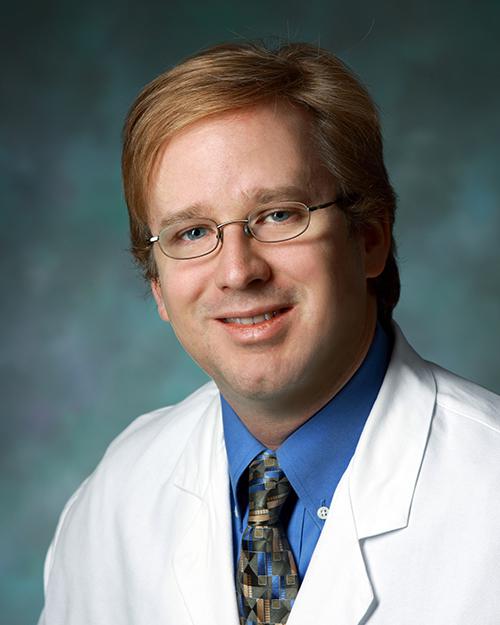
David Thompson Lab
Researchers in the David Thompson Lab examine the outcomes of patients treated in intensive care units (ICUs), patient safety efforts, quality improvement efforts, and multidisciplinary teamwork and safety curriculum development. We're taking part in a study aimed at reducing hospital-acquired infections among cardiovascular surgery patients. Our investigators also participated in a clinical research collaboration that saw an 81 percent reduction in bloodstream infections related to central lines.
-
Dara Kraitchman Laboratory
The Dara Kraitchman Laboratory focuses on non-invasive imaging and minimally invasive treatment of cardiovascular disease. Our laboratory is actively involved in developing new methods to image myocardial function and perfusion using MRI. Current research interests are aimed at determining the optimal timing and method of the administration of mesenchymal stem cells to regenerate infarcted myocardium using non-invasive MR fluoroscopic delivery and imaging. MRI and radiolabeling techniques include novel MR and radiotracer stem cell labeling methods to determine the location, quantity and biodistribution of stem cells after delivery as well as to noninvasively determine the efficacy of these therapies in acute myocardial infarction and peripheral arterial disease. Our other research focuses on the development of new animal models of human disease for noninvasive imaging studies and the development of promising new therapies in clinical trials for companion animals.
-
Zack Wang Lab
The Wang lab focuses on the signals that direct the differentiation of pluripotent stem cells, such as induced-pluripotent stem (iPS) cells, into hematopoietic and cardiovascular cells. Pluripotent stem cells hold great potential for regenerative medicine. Defining the molecular links between differentiation outcomes will provide important information for designing rational methods of stem cell manipulation.
-
Wendy Bennett Lab
I am a primary care doctor and public health researcher committed to improving women’s health and health care across their lives and improving gender and racial equity.
I am an Associate Professor of Medicine in The Johns Hopkins University School of Medicine, Division of General Internal Medicine. My research focuses on identifying strategies to prevent and manage obesity and type 2 diabetes and cardiovascular disease, particularly among women at highest risk due to pregnancy complications. I conduct pragmatic and community-based randomized controlled trials to test high impact and scalable strategies to reduce excessive weight gain in pregnancy, reduce postpartum weight retention and cardiometabolic risk.
I hold several leadership positions, and I am the Director of Research at Johns Hopkins Community Physicians, the Co-Director of the Johns Hopkins Center for Women’s Health, Sex and Gender Research and a Core Faculty Member of the Welch Center for Prevention, Epidemiology and Clinical Research.

-
Komatsu Lab
Malfunction and malformation of blood vessels are associated with a broad range of medical conditions, including cancer, cardiovascular diseases, and neurological disorders. The ultimate goal of the Komatsu lab is to find a way to reverse the process of abnormal vessel formation and restore normal function to these vessels. In cancer, normalization of tumor blood vessels facilitates lymphocyte infiltration, potentiating anti-tumor immunity, and enhances the efficacy of immunotherapies as well as conventional cancer treatments. Normalization of regenerating blood vessels is also necessary for reestablishing blood flow to ischemic hearts and limbs, and preventing blindness caused by diabetic retinopathy or macular degeneration. Komatsu lab’s research is uncovering key molecular pathways important for the normalization of pathological vasculature.
-
Lisa Cooper Lab
The Lisa Cooper Lab is dedicated to researching patient-centered interventions for improving health outcomes and overcoming racial and ethnic disparities in health care. Our primary focus is on the factors of physician communication skills and cultural competence training, patient shared decision-making and self-management skills training. Recently, we have explored patient-centered depression care for African Americans, tactics for improving patient-physician communication about management of hypertension, and reducing ethnic and social disparities in health. In addition, we are currently researching racial disparities in cardiovascular health outcomes for patients living in Baltimore. -
Nicola Heller Lab
Research in the Nicola Heller Lab focuses on the immunobiology of macrophages. Our team explores how these cells impact diseases with an inflammatory element, such as cancer, cardiovascular disease and obesity. Using a variety of techniques, including molecular and cellular biology, biochemistry, mouse models and more, we study the role of IL-4/IL-13 signaling in asthma and allergic disease, as well as the role of alternatively activated macrophages (AAM) in the pathogenesis of allergic inflammation. Currently, we are researching the links between asthma and obesity, with a focus on the roles of gender and race. -
Nicholas Flavahan Lab
The Nicholas Flavahan Lab primarily researches the cellular interactions and subcellular signaling pathways that control normal vascular function and regulate the initiation of vascular disease. We use biochemical and molecular analyses of cellular mediators and cell signaling mechanisms in cultured vascular cells, while also conducting physiological assessments and fluorescent microscopic imaging of signaling systems in isolated blood vessels. A major component of our research involves aterioles, tiny blood vessles that are responsible for controlling the peripheral resistance of the cardiovascular system, which help determine organ blood flow. -
Foster Lab
The Foster Lab uses the tools of protein biochemistry and proteomics to tackle fundamental problems in the fields of cardiac preconditioning and heart failure. Protein networks are perturbed in heart disease in a manner that correlates only weakly with changes in mRNA transcripts. Moreover, proteomic techniques afford the systematic assessment of post-translational modifications that regulate the activity of proteins responsible for every aspect of heart function from electrical excitation to contraction and metabolism. Understanding the status of protein networks in the diseased state is, therefore, key to discovering new therapies. D. Brian Foster, Ph.D., is an assistant professor of medicine in the division of cardiology, and serves as Director of the Laboratory of Cardiovascular Biochemistry at the Johns Hopkins University School of Medicine.