Research Lab Results
-
Sesaki Lab
The Sesaki Lab is interested in the molecular mechanisms and physiological roles of mitochondrial fusion. Mitochondria are highly dynamic and control their morphology by a balance of fusion and fission. The regulation of membrane fusion and fission generates a striking diversity of mitochondrial shapes, ranging from numerous small spheres in hepatocytes to long branched tubules in myotubes. In addition to shape and number, mitochondrial fusion is critical for normal organelle function.
-
Pediatric Proteome Center
Lauren Jantzie, Ph.D. and colleagues across Johns Hopkins are identifying new biomarkers — measurable, physical signs — to help identify pediatric heart disease and brain injury. Along with Allen Everett, M.D., a leader in pediatric biomarker discovery, initially in sickle cell disease and subsequently in birth injury, congenital heart disease repair, ECMO, prematurity and pulmonary hypertension, Dr. Jantzie directs the Pediatric Proteome Center and integrates cutting edge molecular medicine with clinical innovation.
-
Pediatric Cerebral Palsy and Epilepsy Lab
The team headed by Shenandoah “Dody” Robinson, M.D., professor of neurosurgery, neurology and pediatrics, studies perinatal brain injury and repair. Employing developmentally age-appropriate models, the lab investigates neurological consequences of extremely preterm birth, including cerebral palsy, chronic pain, cognitive and behavioral impairment, epilepsy and posthemorrhagic hydrocephalus of prematurity. -
Peter Agre Lab
Work in the Peter Agre Lab focuses on the molecular makeup of human diseases, particularly malaria, hemolytic anemias and blood group antigens. In 2003, Dr. Agre earned the Nobel Prize in Chemistry for discovering aquaporin water channels. Building on that discovery, our recent research has included studies on the protective role of the brain water channel AQP4 in murine cerebral malaria, as well as defective urinary-concentrating ability as a result of a complete deficiency in aquaporin-1. We also collaborate on scientific training and research efforts with 20 Baltimore-area labs and in field studies in Zambia and Zimbabwe. -
Amit Pahwa Lab
The Amit Pahwa Lab conducts research on a variety of topics within internal medicine. Our most recent studies have explored misanalysis of urinalysis results, urinary fractional excretion indices in the evaluation of acute kidney injury and nocturnal enuresis as a risk factor for falls in older women. We also investigate cancer diagnostics and treatments. In this area, our recent research has included studying cutaneous shave biopsies for diagnosing primary colonic adenocarcinoma as well as growth inhibition and apoptosis in human brain tumor cell lines using selenium.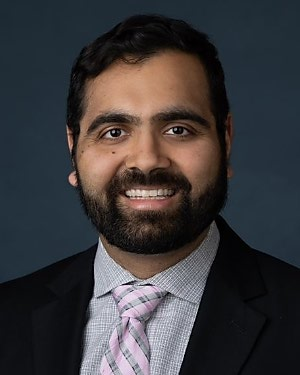
-
J. Marie Hardwick Laboratory
Our research is focused on understanding the basic mechanisms of programmed cell death in disease pathogenesis. Billions of cells die per day in the human body. Like cell division and differentiation, cell death is also critical for normal development and maintenance of healthy tissues. Apoptosis and other forms of cell death are required for trimming excess, expired and damaged cells. Therefore, many genetically programmed cell suicide pathways have evolved to promote long-term survival of species from yeast to humans. Defective cell death programs cause disease states. Insufficient cell death underlies human cancer and autoimmune disease, while excessive cell death underlies human neurological disorders and aging. Of particular interest to our group are the mechanisms by which Bcl-2 family proteins and other factors regulate programmed cell death, particularly in the nervous system, in cancer and in virus infections. Interestingly, cell death regulators also regulate many other cellular processes prior to a death stimulus, including neuronal activity, mitochondrial dynamics and energetics. We study these unknown mechanisms. We have reported that many insults can trigger cells to activate a cellular death pathway (Nature, 361:739-742, 1993), that several viruses encode proteins to block attempted cell suicide (Proc. Natl. Acad. Sci. 94: 690-694, 1997), that cellular anti-death genes can alter the pathogenesis of virus infections (Nature Med. 5:832-835, 1999) and of genetic diseases (PNAS. 97:13312-7, 2000) reflective of many human disorders. We have shown that anti-apoptotic Bcl-2 family proteins can be converted into killer molecules (Science 278:1966-8, 1997), that Bcl-2 family proteins interact with regulators of caspases and regulators of cell cycle check point activation (Molecular Cell 6:31-40, 2000). In addition, Bcl-2 family proteins have normal physiological roles in regulating mitochondrial fission/fusion and mitochondrial energetics to facilitate neuronal activity in healthy brains.
Principal Investigator
Department
-
Josef Coresh Lab
Research in the Josef Coresh Lab focuses on cardiovascular epidemiology, kidney disease and genetic epidemiology. Our team uses innovative methods to quantify disease burden and consequences in the population; studies the causes and consequences of vascular disease in the heart, kidneys and brain; and works to develop a strong scientific basis for quantifying the burden, causes and consequences of kidney disease. Working in collaboration with leading laboratories and specialists, we also aim to quantify the interplay of genes and environment in health and disease. -
James Knierim Laboratory
Research in the James Knierim Laboratory attempts to understand the flow of information through the hippocampal formation and the computations performed by the various subfields of the hippocampus and its inputs from the entorhinal cortex. To address these issues, we use multi-electrode arrays to record the extracellular action potentials from scores of well-isolated hippocampal neurons in freely moving rats. These neurons, or ""place cells,"" are selectively active when the rat occupies restricted locations in its environment and help to form a cognitive map of the environment. The animal uses this map to navigate efficiently in its environment and to learn and remember important locations. These cells are thought to play a major role in the formation of episodic (autobiographical) memories. Place cells thus constitute a tremendous opportunity to investigate the mechanisms by which the brain transforms sensory input into an internal, cognitive representation of the world and then uses this representation as the framework that organizes and stores memories of past events.
-
James Pekar Lab
How do we see, hear, and think? More specifically, how can we study living people to understand how the brain sees, hears, and thinks? Recently, magnetic resonance imaging (MRI), a powerful anatomical imaging technique widely used for clinical diagnosis, was further developed into a tool for probing brain function. By sensitizing magnetic resonance images to the changes in blood oxygenation that occur when regions of the brain are highly active, we can make ""movies"" that reveal the brain at work. Dr. Pekar works on the development and application of this MRI technology. Dr. Pekar is a biophysicist who uses a variety of magnetic resonance techniques to study brain physiology and function. Dr. Pekar serves as Manager of the F.M. Kirby Research Center for Functional Brain Imaging, a research resource where imaging scientists and neuroscientists collaborate to study brain function using unique state-of-the-art techniques in a safe comfortable environment, to further develop such techniques, and to provide training and education. Dr. Pekar works with center staff to serve the center's users and to keep the center on the leading edge of technology. -
Jantzie Lab
Lauren Jantzie, professor of pediatrics and vice chair of research for the Department of Pediatrics, received her Ph.D. in neurochemistry from the University of Alberta in 2008. In 2013 she completed her postdoctoral fellowship in the Department of Neurology at Boston Children's Hospital & Harvard Medical School and became faculty at the University of New Mexico. Dr. Jantzie then joined the faculty Departments of Pediatrics (Neonatal-Perinatal Medicine) and Neurology at Johns Hopkins University and the Kennedy Krieger Institute in January 2019.
The Jantzie lab investigates the pathophysiology of encephalopathy of prematurity, and pediatric brain injury common to infants and toddlers. Dr. Jantzie is dedicated to understanding disease processes in the developing brain as a means to identifying new therapeutic strategies and treatment targets for perinatal brain injury. Her lab studies neural substrates of cognition and executive function, inhibitory circuit formation, the role of an abnormal intrauterine environment on brain development, mechanisms of neurorepair and microglial activation and polarization.
Using a diverse array of clinically relevant techniques such as MRI, cognitive assessment, and biomarker discovery, combined with traditional molecular and cellular biology, the Jantzie lab is on the front lines of translational pediatric neuroscience.