Research Lab Results
-
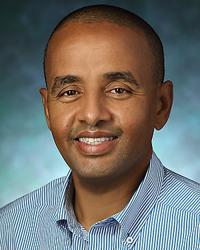
Mihaela Pertea Lab
The Mihaela Pertea Lab develops computational tools for RNA sequence analysis, gene finding, splice-site prediction and sequence-motif finding. Previous research projects led to the development of open-source software systems related to finding genes. -
Mihail Zilbermint Lab
Research in the Mihail Zilbermint Lab focuses on diabetes, adrenal disease and thyroid disease. Recent areas of focus include pseudohypoaldosteronism type 1 related to novel variants of SCNN1B gene, genetic variance in the ARMC5 gene in primary macronodular adrenocortical hyperplasia and hyperaldosteronism due to de novo KCNJ5 mutation.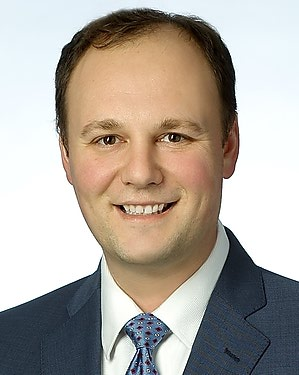
-
Miho Iijima Laboratory
The Miho Iijima Laboratory works to make a further connection between cells' signaling events and directional movement. Our researchers have identified 17 new PH domain-containing proteins in addition to 10 previously known genes in the Dictyostelium cDNA and genome database. Five of these genes contain both the Dbl and the PH domains, suggesting these proteins are involved in actin polymerization. A PTEN homologue has also been identified in Dictyostelium that is highly conserved with the human gene. We are disrupting all of these genes and studying their roles in chemotaxis. -
Minimally Invasive Neurosurgery
Directed by Alan R. Cohen MD, Carson-Spiro Professor of Neurosurgery, Oncology and Pediatrics, the laboratory is focused on developing novel instruments and approaches to enhance the safety and efficacy of neurosurgical procedures. Current investigations include work in microsurgery, endoscopy, image guidance and robotic surgery. A cadaveric Skills Lab offers training in neurosurgical techniques. -
Minimally Invasive Neurosurgery Lab
Directed by Alan R. Cohen, M.D., Carson-Spiro Professor of Neurosurgery, Oncology and Pediatrics, the laboratory is focused on developing novel instruments and approaches to enhance the safety and efficacy of neurosurgical procedures. Current investigations include work in microsurgery, endoscopy, image guidance and robotic surgery. A cadaveric skills lab offers training in neurosurgical techniques. -
Mitzner Laboratory
The Mitzner Laboratory studies the physiologic and pathologic basis of lung health and diseases such as emphysema and asthma. We are currently researching why chronic changes in the lung remain for long periods after initial insults have disappeared. Using phenotyping in whole animal models alongside the assessment of the immunologic status of cells and interactive signaling, we examine lung-tissue damage that creates a chronic immunologic response. -
Mohamed Atta Lab
Dr. Atta and his research team explore the epidemiological and clinical interventions of a variety of kidney diseases. Our goal is not only to advance the understanding of many kidney diseases but also to capitalize on novel discoveries of basic science to treat a wide range of rare and common kidney disorders.
- Multi-international observational study of a rare form of amyloid (LECT2 amyloid) to understand its natural history with the ultimate interest of treating this condition.
- Our group has launched a project investigating the impact of COVID19 on the kidney to identify risk factors influencing outcome across different clinical phenotypes
- In collaboration with the Division of Infectious Diseases and the School of Public Health, our research has focused on the epidemiology of HIV and kidney disease. We also study clinical markers and contributing factors in the progression of kidney disease, and the association between kidney disease and heart disease.
- Our research group is participating in a multicenter consortium serving as a clinical core site to study the pathogenesis of HIV-associated kidney disease by providing well-characterized clinical specimens and corresponding clinical and laboratory data.
-
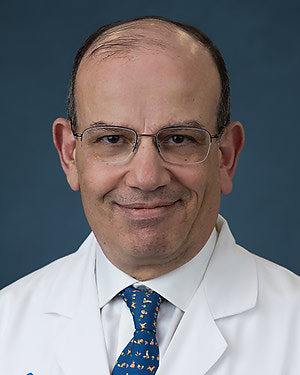
Mohamed Farah Lab
The Mohamed Farah Lab studies axonal regeneration in the peripheral nervous system. We've found that genetic deletion and pharmacological inhibition of beta-amyloid cleaving enzyme (BACE1) markedly accelerate axonal regeneration in the injured peripheral nerves of mice. We postulate that accelerated nerve regeneration is due to blockade of BACE1 cleavage of two different BACE1 substrates. The two candidate substrates are the amyloid precursor protein (APP) in axons and tumor necrosis factor receptor 1 (TNFR1) on macrophages, which infiltrate injured nerves and clear the inhibitory myelin debris. In the coming years, we will systematically explore genetic manipulations of these two substrates in regard to accelerated axonal regeneration and rapid myelin debris removal seen in BACE1 KO mice. We also study axonal sprouting and regeneration in motor neuron disease models. -
Molecular Genetics Laboratory of Female Reproductive Cancer
The long-term objectives of our research team are: a. to understand the molecular etiology in the development of human cancer, and b. to identify and characterize cancer molecules for cancer detection, diagnosis, and therapy. We use ovarian carcinoma as a disease model because it is one of the most aggressive neoplastic diseases in women. For the first research direction, we aim to identify and characterize the molecular alterations during initiation and progression of ovarian carcinomas. -
Molecular Mechanisms of Cellular Mechanosensing (Robinson Lab)
The Robinson Lab studies the way in which mechanical stress guide and direct the behavior of cells, including when they are part of tissues, organs and organ systems.