Research Lab Results
-
Bryan Lau Lab
The Bryan Lau Lab is interested in epidemiological and statistical methods for cohort studies and the application of these methods primarily to HIV cohort studies. We’re particularly interested in developing new methods and using approaches from other disciplines as novel solutions to specific epidemiologic issues. -
Zackary Berger Lab
The research mission of the Zackary Berger Lab is to bridge evidence-based medicine and shared decision-making in the context of patient-centered care. Lab studies investigate how to accomplish this in the common case of uncertainty, while seeking to clarify the ethics of decision-making and empirically describe how shared decision-making is and should be done. Zackary Berger, MD, PhD, is an assistant professor in the Division of General Internal Medicine at the Johns Hopkins School of Medicine. In addition to his work as an internist and primary care physician, Dr. Berger is an associate faculty member in the Berman Institute of Bioethics, and core faculty in the Evidence Based Practice Center as well as the Center for Health Services and Outcomes Research.
-
Kathryn Carson Lab
The Kathryn Carson Lab investigates ways to improve medical research, particularly in the areas of brain and thyroid cancer, Alzheimer’s disease, atherosclerosis, hypertension, HIV and lupus. Our team seeks to help researchers optimize their studies through better study design, protocol and grant writing, data cleaning and analysis, and publication writing. We work with investigators from a wide range of departments through the Johns Hopkins Institute for Clinical and Translational Research. -
Karen Bandeen-Roche Lab
The Karen Bandeen-Roche Lab explores the application of underlying variable methods in epidemiologic and psychosocial research. Our team seeks to improve the ability to measure key outcomes like functional status and psychological disorders. Our other areas of statistical research include the study of classification and variance structure and multivariate survival analysis. We are deeply invested in the field of gerontology as well as ophthalmology and neurology.
-
Lisa Cooper Lab
The Lisa Cooper Lab is dedicated to researching patient-centered interventions for improving health outcomes and overcoming racial and ethnic disparities in health care. Our primary focus is on the factors of physician communication skills and cultural competence training, patient shared decision-making and self-management skills training. Recently, we have explored patient-centered depression care for African Americans, tactics for improving patient-physician communication about management of hypertension, and reducing ethnic and social disparities in health. In addition, we are currently researching racial disparities in cardiovascular health outcomes for patients living in Baltimore. -
Nae-Yuh Wang Lab
The Nae-Yuh Wang Lab concentrates on a wide range of multicenter studies and randomized controlled trials. Recent studies have focused on pediatric cochlear implantation and longitudinal data analysis. One recent study found that partnering with primary care providers to deliver weight loss programs may promote greater participant satisfaction and weight loss. Another active study is assessing the effectiveness of promising interventions to reduce race disparities in live donor kidney transplantation.
-
Qian-Li Xue Lab
The primary area of statistical expertise in the Qian-Li Xue Lab is the development and application of statistical methods for: (1) handling the truncation of information on underlying or unobservable outcomes (e.g., disability) as a result of screening, (2) missing data, including outcome (e.g., frailty) censoring by a competing risk (e.g., mortality) and (3) trajectory analysis of multivariate outcomes. Other areas of methodologic research interests include multivariate, latent variable models. In Women's Health and Aging Studies, we have closely collaborated with scientific investigators on the design and analysis of longitudinal data relating biomarkers of inflammation, hormonal dysregulation and micronutrient deficiencies to the development and progression of frailty and disability, as well as characterizing the natural history of change in cognitive and physical function over time.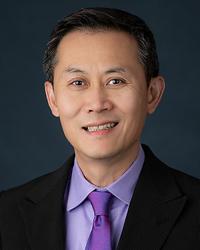
-
Hsin-Chieh Yeh Lab
Work in the Hsin-Chieh Yeh Lab focuses on clinical trials and cohort studies of diabetes, obesity and behavioral intervention, cancer and hypertension. Recent investigations have focused on novel risk factors and complications related to obesity and type 2 diabetes, particularly lung function, smoking and cancer. We recently co-led a randomized clinical trial of tailored dietary advice for consumption of dietary supplements to lower blood pressure and improve cardiovascular disease risk factors in hypertensive urban African Americans.
-
Stephen Sozio Lab
Dr. Sozio’s research focuses on 1) Clinical research related to chronic kidney disease and end stage renal disease, and 2) Educational research in undergraduate and graduate medical education.
The Sozio lab pursues work related to stroke, cognitive impairment, manifestations of kidney disease, and systematic reviews on clinical topics, and collaborates on multiple projects with other key investigators. In particular, Dr. Sozio has been an active investigator in the Choices for Healthy Outcomes in Caring for ESRD (CHOICE) Study, Predictors of Arrhythmic and Cardiovascular Risk in End Stage Renal Disease (PACE) Study, Chronic Renal Insufficiency Cohort (CRIC) Study, and work funded through the Agency for Healthcare Research and Quality (AHRQ) and Johns Hopkins Evidence-Based Practice Center. In addition, the Sozio lab performs studies at the UME and GME levels, investing in understanding learners’ mentorship, research, and transitional experiences.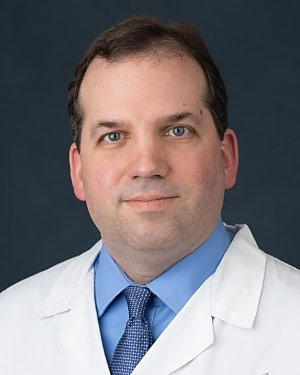
-
Sherita Golden Lab
Research in the Sherita Golden Lab focuses on identifying endocrine risk factors associated with the development of diabetes and cardiovascular disease. We conduct our research by incorporating measures of hormonal function into the design of clinical trials of cardiovascular risk modification, observational studies of incident cardiovascular disease and diabetes, and studies evaluating diabetic complications.