Research Lab Results
-
Ken Witwer Laboratory
The Ken Witwer Laboratory investigates extracellular vesicles and RNA in the context of HIV infection and inflammatory disease. We are also actively assessing the effects of diet on extracellular RNA as a potential therapeutic approach.
-
Kendall Moseley Lab
Research in the Kendall Moseley Lab is focused on the interplay between type 2 diabetes, aging and osteoporosis. We also study the function of bone stem cells in the regulation of bone remodeling.
-
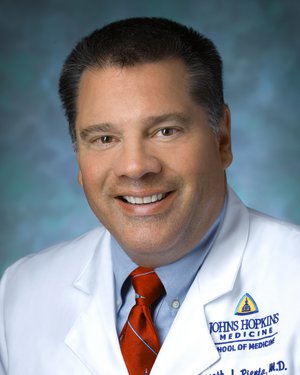
Kenneth J. Pienta Lab
The Kenneth J. Pienta laboratory has championed the concept that cancer tumorigenesis and metastasis can best be understood utilizing the principles of Ecology. As a result, the Pienta laboratory is working to develop new treatments for cancer utilizing network disruption. -
Kenneth W. Kinzler Laboratory
Dr. Kinzler’s laboratory has focused on the genetics of human cancer. They have identified a variety of genetic mutations that underlie cancer, including mutations of the APC pathway that appear to initiate the majority of colorectal cancers and IDH1/2 mutations that underlying many gliomas. In addition, they have developed a variety of powerful tools for analysis of expression and genetic alterations in cancer. Most recently, they have pioneered integrated whole genome analyses of human cancers through expression, copy number, and mutational analyses of all the coding genes in several human cancer types including colorectal, breast, pancreatic and brain. The identification of genetic differences between normal and tumor tissues provide new therapeutic targets, new opportunities for the early diagnosis of cancer, and important insights into the neoplastic process.
-
Kimberly Gudzune Lab
Research in the Kimberly Gudzune Lab examines how obesity affects patient-provider relationships and how physical and social environments impact body weight. We recently conducted a cohort study of married couples and found that having a spouse who become obese nearly doubles one's risk of becoming obese. -
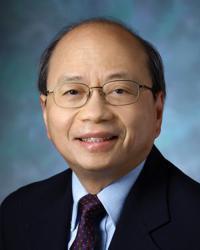
King-Wai Yau Laboratory
The King-Wai Yau Laboratory is interested in the area of sensory transduction. Specifically, we study visual transduction, the process by which the sense of vision is initiated. In our eyes, we have two primary photoreceptors-rods and cones-to absorb light and convert light into electrical signal, which is then transmitted to the brain for image formation. Rods are extremely sensitive and responsible for night vision, but cones are about 100-fold less sensitivity and responsible for daylight vision. We are studying the cellular and molecular details underlying rod and cone phototransduction, aiming to understand the mechanism of rod-cone difference. Our ultimate goal is to convert rods into cones, or cones into rods to rescue human vision loss. -
Komatsu Lab
Malfunction and malformation of blood vessels are associated with a broad range of medical conditions, including cancer, cardiovascular diseases, and neurological disorders. The ultimate goal of the Komatsu lab is to find a way to reverse the process of abnormal vessel formation and restore normal function to these vessels. In cancer, normalization of tumor blood vessels facilitates lymphocyte infiltration, potentiating anti-tumor immunity, and enhances the efficacy of immunotherapies as well as conventional cancer treatments. Normalization of regenerating blood vessels is also necessary for reestablishing blood flow to ischemic hearts and limbs, and preventing blindness caused by diabetic retinopathy or macular degeneration. Komatsu lab’s research is uncovering key molecular pathways important for the normalization of pathological vasculature.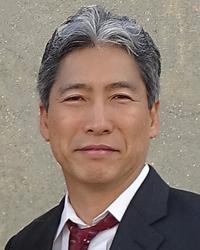
-
Konig Lab
The Konig Lab focuses on chimeric T cell- and antibody-based strategies for the treatment of autoimmune rheumatic diseases and cancer. A primary goal of the translational research program is the development of antigen-specific and personalized immunotherapies for autoimmune diseases, with the intent to achieve sustained disease remission and functional cure. The lab further aims to establish precision T cell-targeting therapies for the treatment of various autoimmune diseases. Applying these tools to immuno-oncology, the lab utilizes cellular engineering strategies to augment the cytotoxic killing of solid cancers by the immune system.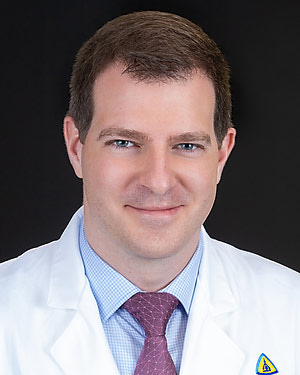
-
Kristin Riekert Lab
Work in the Kristin Riekert Lab focuses on methods for improving health care quality and delivery, particularly among underserved and disadvantaged populations. Our research covers a range of important topics, including health beliefs, treatment adherence, doctor-patient communication, self-management interventions, mobile health initiatives, health disparities and patient-reported outcome methodology. We also work with the National Institutes of Health on multiple intervention trials focused on improving adherence and health outcomes in asthma, chronic kidney disease, cystic fibrosis (CF), sickle cell disease and secondhand smoke reduction.
-
Kristina Nielsen Laboratory
The Kristina Nielsen Laboratory investigates neural circuits in the visual cortex that are responsible for encoding objects to understand how the visual system performs object recognition. We aim to reveal the fine-scale organization of neural circuits, with an emphasis on higher-level visual areas. We use two-photon microscopy to perform high-resolution functional imaging of visual areas in the non-human primate. We also investigate how the function of higher visual areas changes over the course of brain development in ferrets, by measuring the activity of single neurons in these areas, as well as determining the animal's visual capabilities at various developmental stages. In both types of investigations, we also rely on detailed anatomical techniques to precisely observe how the function of neuronal circuits is related to their structure.