Research Lab Results
-
Faria Lab
Andreia Faria's Laboratory focuses on investigating brain functions using MRIs. We develop and apply methods for processing and analyzing diverse MRI modalities in order to characterize distinctive brain patterns and to study multiple conditions, including neurodegenerative diseases, psychiatric disorders, and stroke. We use artificial intelligence to develop tools for brain MRI segmentation and quantification, promoting the means to perform reliable and reproducible translational research.
-
Kathryn Carson Lab
The Kathryn Carson Lab investigates ways to improve medical research, particularly in the areas of brain and thyroid cancer, Alzheimer’s disease, atherosclerosis, hypertension, HIV and lupus. Our team seeks to help researchers optimize their studies through better study design, protocol and grant writing, data cleaning and analysis, and publication writing. We work with investigators from a wide range of departments through the Johns Hopkins Institute for Clinical and Translational Research. -
Supendymoma and Ependymoma Research Center
The Johns Hopkins comprehensive Subependymoma and Ependymoma Research Center divideS its efforts into three areas: basic science, translational research and clinical practice. Each division works separately but shares findings and resources openly with each other and our collaborators. The goal of our united efforts is to optimize current treatments to affect the care received by patients with subependymomas and ependymomas. Also, our clinical, translational and basic science teams work to develop novel therapies to improve and extend the lives of those with these rare tumors. -
Konig Lab
The Konig Lab focuses on chimeric T cell- and antibody-based strategies for the treatment of autoimmune rheumatic diseases and cancer. A primary goal of the translational research program is the development of antigen-specific and personalized immunotherapies for autoimmune diseases, with the intent to achieve sustained disease remission and functional cure. The lab further aims to establish precision T cell-targeting therapies for the treatment of various autoimmune diseases. Applying these tools to immuno-oncology, the lab utilizes cellular engineering strategies to augment the cytotoxic killing of solid cancers by the immune system.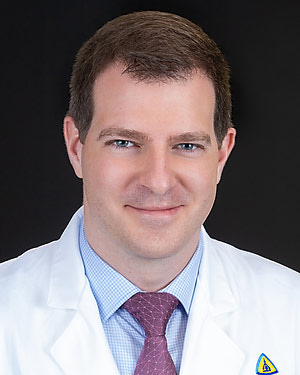
-
Li Gao Lab
The Li Gao Lab researches functional genomics, molecular genetics and epigenetics of complex cardiopulmonary and allergic diseases, with a focus on translational research applying fundamental genetic insight into the clinical setting. Current research includes implementation of high-throughput technologies in the fields of genome-wide association studies (GWAS), massively parallel sequencing, gene expression analysis, epigenetic mapping and integrative genomics in ongoing research of complex lung diseases and allergic diseases including asthma, atopic dermatitis (AD), pulmonary arterial hypertension, COPD, sepsis and acute lung injury/ARDS; and epigenetic contributions to pulmonary arterial hypertension associated with systemic sclerosis.
-
Jean Kim Lab
The Jean Kim Laboratory performs translational research in the area of chronic rhinosinusitis, with a niche interest in the pathogenesis of hyperplastic nasal polyposis. Studies encompass clinical research to basic wet laboratory research in studying the underlying immune and autoimmune mediated mechanism of polyp growth and perpetuation of disease. Human cell and tissue culture models are used. Techniques in the laboratory include cell and tissue culture, real time PCR, immunoblot, ELISA, flow cytometry, immunohistochemistry, electron microscopy, gene array analysis, and other molecular approaches including genetic knockdowns. Approaches used in Dr. Kim’s clinical study designs include prospective and retrospective analysis of patient outcomes and clinical biomarkers, as wells controlled clinical trials.
-
Jennifer Foulke-Abel Lab
The Jennifer Foulke-Abel Lab engages in basic and translational research focused on how intestinal epithelia interface with their environment. Our work is powered by human adult stem cell-derived intestinal organoids, which capture the unique genetic and phenotypic traits of an individual and enable a personalized approach to understanding epithelial pathophysiology. One project in the lab centers on dissecting the factors involved in mucosal recognition of pathogenic bacteria with the goal to optimize vaccine engineering. A second area of interest is characterizing the altered intestinal stem cell programming associated with dietary nutrient absorption and hormone secretion in obesity to tailor weight-loss therapies.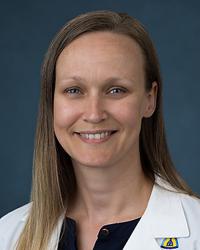
-
IBD and Autoimmune Liver Diseases Laboratory
Investigators in the IBD and Autoimmune Liver Diseases Laboratory conduct basic and translational research in inflammatory bowel disease (IBD) and autoimmune liver diseases. One area of focus is discovering and developing biomarkers for diagnosing and prognosticating IBD and other autoimmune liver diseases (AILDs). We also are exploring the molecular pathogenesis of—and developing novel therapies for—IBD. In addition, we are working to understand the molecular reason why many IBD patients fail to respond to mainstay drug therapies—and to develop diagnostic assays that can predict non-responders before starting them on those therapies. These biomarker studies have led to our application for four U.S. and international patents. -
Brain Science Institute (BSi)
The Brain Science Institute (BSi) brings together both basic and clinical neuroscientists from across the Johns Hopkins campuses. The BSi represents one of the largest and most diverse groups in the university. The BSi's mission is to solve fundamental questions about brain development and function and to use these insights to understand the mechanisms of brain disease. This new knowledge will provide the catalyst for the facilitation and development of effective therapies. The goals of our research are to foster new programs in basic neuroscience discovery; initiate a translational research program that will develop new treatments for brain-based diseases; and encourage collaboration, interdisciplinary teams, and new thinking that will have a global influence on research and treatment of the nervous system. -
Pulmonary Infection and Inflammation Research Lab
The Jia lab performs basic and translational research into the mechanisms of and therapeutic strategy for viral and bacterial infection-induced inflammatory lung diseases, one of the leading causes of death in pulmonary diseases, especially for the ongoing pandemic of the SARS-CoV-2 mediated COVID-19. Our work has identified novel roles of Angiotensin-converting enzyme 2 (ACE2) in the inflammatory response to viral and bacterial lung infection and its complex contributions into the pathogenesis and disease progression and outcome of COVID-19. In seeking to translate these findings to clinical studies, we have been working on a collaboration with other investigators, developing novel diagnostic, preventive, and therapeutic tools in combating the devastating COVID-19, even in the era of effective vaccine prevention. These studies are funded by NIAID.