Research Lab Results
-
HEPIUS Innovation Lab
HEPIUS stands for Holistic Electrical, ultrasonic and Physiological Interventions Unburdening those with Spinal cord injury. The team unites neurosurgeons, biomedical engineers, scientists, radiologists, and other physicians to diagnose and treat spinal cord injuries. -
Singh Lab: Stem Cell Transplant Group
The goal of the Singh Lab is to cure retinal degeneration due to genetic disease in patients. There are many retinal diseases such as Stargardts, Macular Degeneration, and Retinitis Pigmentosa, that are currently incurable. These diseases damage and eventually eliminate photoreceptors in the retina. The lab's aim is to take healthy photoreceptors derived from stem cells and transplant them into the patient’s retina to replace the lost photoreceptors. The transplanted photoreceptors are left to mature, make connections with the recipient’s remaining retina, and restore vision. Further, the lab is most interested in the cone-photoreceptor rich region of the macula, which is the central zone of the human retina, enabling high-acuity vision for tasks such as facial recognition and reading. -
Shivani Patel Lab
Investigators in the Shivani Patel Lab study ways to improve intraoperative resuscitation during pediatric surgeries.
-
Pediatric Cerebral Palsy and Epilepsy Lab
The team headed by Shenandoah “Dody” Robinson, M.D., professor of neurosurgery, neurology and pediatrics, studies perinatal brain injury and repair. Employing developmentally age-appropriate models, the lab investigates neurological consequences of extremely preterm birth, including cerebral palsy, chronic pain, cognitive and behavioral impairment, epilepsy and posthemorrhagic hydrocephalus of prematurity. -
The Atlantic Cardiovascular Patient Outcomes Research Team - Atlantic C-PORT
Our research is centered on the safety, efficacy and outcomes of PCI performed at hospitals without on-site cardiac surgery. Active projects: C-PORT Randomized Studies and Registries; New Jersey Angioplasty Demonstration Project; InCar-decision support tools for performance of PCI at hospitals without on-site cardiac surgery. -
Jeffrey Dodd-o Lab
Research in the Jeffrey Dodd-o Lab aims to better understand the contributing factors of lung ischemia/reperfusion injuries and the role these injuries play in the lung dysfunction of patients soon after cardiopulmonary bypass surgery. We have created an ischemia/reperfusion model in a spontaneously breathing mouse that they use with an in situ mouse lung preparation to identify cardiopulmonary interactions that impact reperfusion-related lung injury. We are working to characterize the influence of atrial natriuretic peptide (ANP) on lung microvascular permeability. -
Chordoma Lab
Chordoma research is led by a comprehensive team including Gary Gallia, M.D., director of the Neurosurgery Skull Base Tumor Center. The laboratory focuses on developing new therapies for brain and skull base tumors, and has established the first primary skull base chordoma xenograft mouse model. The team is also exploring high throughput drug screening using the chordoma model, and the molecular pathways responsible for tumor maintenance and growth. -
Grant (Xuguang) Tao Lab
Research in the Grant (Xuguang) Tao Lab explores environmental and occupational epidemiology topics, including workers' compensation and injuries, and nosocomial infections. We conduct research through clinical trials and systematic literature reviews, and also use cancer registry data and GIS applications in environmental epidemiological research. Our recent studies have explored topics such as the effectiveness of lumbar epidural steroid injections following lumbar surgery, the effect of physician-dispensed medication on workers' compensation claim outcomes and how the use of opioid and psychotropic medications for workers' compensation claims impacts lost work time.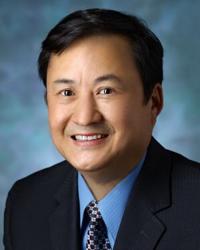
-
Carey Research Group
John Carey’s Research Group conducts research regarding diseases of the inner ear that affect both balance and hearing mechanisms. Key interests include superior semicircular canal dehiscence syndrome (SCDS), the normal vestibular reflexes and how they change with age, novel intratympanic treatments (i.e., middle ear injections) for conditions like Menière’s disease and sudden hearing loss, and the mechanisms of vestibular migraine. With Lloyd Minor, Dr. Carey helped develop the operation to repair the superior canal in patients with SCDS using image-guided surgery. Dr. Carey has been funded by the National Institutes of Health – National Institute on Deafness and Other Communication Disorders to study inner ear balance function in Menière’s disease and steroid treatment of sudden hearing loss.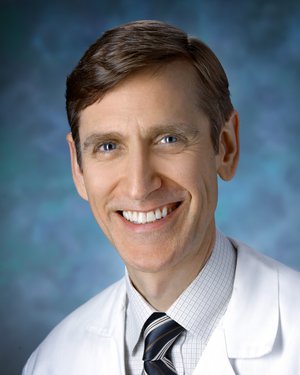
-
Complex Arrhythmias in Congenital and Acquired Structural Heart Diseases
The Aronis Lab develops and refines catheter-based, surgical, and computational strategies to treat the most complex arrhythmias in patients with congenital and acquired structural heart disease—hearts whose distorted anatomy, surgical scar, and limited vascular access place them beyond the reach of conventional electrophysiology. Our mission is to make ablation and device therapy in these patients safer, more durable, and individualized, and to generate the outcomes evidence this historically understudied population has lacked. The lab integrates clinical research, procedural innovation, advanced imaging, and computational modeling, and works closely with the Johns Hopkins adult congenital heart disease, cardiac surgery, cardiac anesthesiology, and biomedical engineering teams.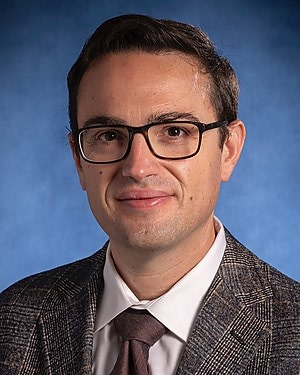
Principal Investigator