Research Lab Results
-
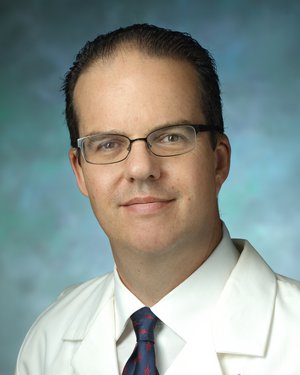
Eberhart, Rodriguez and Raabe Lab
Utilizing a combination of tissue-based, cell-based, and molecular approaches, our research goals focus on abnormal telomere biology as it relates to cancer initiation and tumor progression, with a particular interest in the Alternative Lengthening of Telomeres (ALT) phenotype. In addition, our laboratories focus on cancer biomarker discovery and validation with the ultimate aim to utilize these novel tissue-based biomarkers to improve individualized prevention, detection, and treatment strategies. -
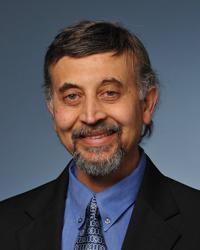
The Koliatsos Lab
Founded in the late 1980s, our Lab explores the fundamental mechanisms of neural responses to traumatic and degenerative signals and works to identify targets for treating injury/degeneration with small molecules, peptides and cells. We currently focus on traumatic and degenerative axonopathies as they occur in traumatic brain injury (diffuse axonal injury), neurodegenerative diseases i.e. Alzheimer's disease and other white matter conditions, e.g. hypoxic ischemic encephalopathy, demyelination. We are especially interested in the role of the MAPK cascade of injury, NAD metabolism and SARM1 signaling and their convergence on Wallerian degeneration. -
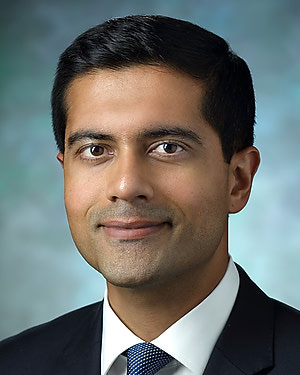
Neuroengineering and Biomedical Instrumentation Lab
The mission and interest of the neuroengineering and Biomedical Instrumentation Lab is to develop novel instrumentation and technologies to study the brain at several levels--from single cell to the whole brain--with the goal of translating the work into practical research and clinical applications. Our personnel include diverse, independent-minded and entrepreneurial students, post docs, and research faculty who base their research on modern microfabrication, stem cell biology, electrophysiology, signal processing, image processing, and integrated circuit design technologies. -
Dara Kraitchman Laboratory
The Dara Kraitchman Laboratory focuses on non-invasive imaging and minimally invasive treatment of cardiovascular disease. Our laboratory is actively involved in developing new methods to image myocardial function and perfusion using MRI. Current research interests are aimed at determining the optimal timing and method of the administration of mesenchymal stem cells to regenerate infarcted myocardium using non-invasive MR fluoroscopic delivery and imaging. MRI and radiolabeling techniques include novel MR and radiotracer stem cell labeling methods to determine the location, quantity and biodistribution of stem cells after delivery as well as to noninvasively determine the efficacy of these therapies in acute myocardial infarction and peripheral arterial disease. Our other research focuses on the development of new animal models of human disease for noninvasive imaging studies and the development of promising new therapies in clinical trials for companion animals.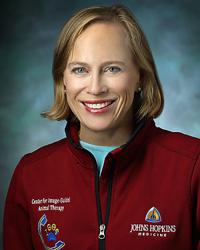
-
Singh Lab: Stem Cell Transplant Group
The goal of the Singh Lab is to cure retinal degeneration due to genetic disease in patients. There are many retinal diseases such as Stargardts, Macular Degeneration, and Retinitis Pigmentosa, that are currently incurable. These diseases damage and eventually eliminate photoreceptors in the retina. The lab's aim is to take healthy photoreceptors derived from stem cells and transplant them into the patient’s retina to replace the lost photoreceptors. The transplanted photoreceptors are left to mature, make connections with the recipient’s remaining retina, and restore vision. Further, the lab is most interested in the cone-photoreceptor rich region of the macula, which is the central zone of the human retina, enabling high-acuity vision for tasks such as facial recognition and reading.