Research Lab Results
-
HPTN (HIV Prevention Trials Network) Network Lab
HPTN (HIV Prevention Trials Network) Network Laboratory (NL) is responsible for collecting, testing and reporting results from biological samples; assisting in the development and quality assurance assessment of local laboratory capacity at the Clinical Trials Units (CTUs) participating in HPTN clinical trials (www.hptn.org); and identifying and implementing state-of-the-art assays and technologies to advance the scientific agenda of the Network. -
Suzanne Topalian Lab
Our lab currently focuses on three areas of immunotherapy research: gaining a deeper knowledge of the biological underpinnings of human autoimmune response; discovering biomarkers that will help us identify which patients and tumor types are most likely to respond to various immune therapies; and developing immune-based treatment combinations that could deliver a more powerful anti-tumor response than monotherapies.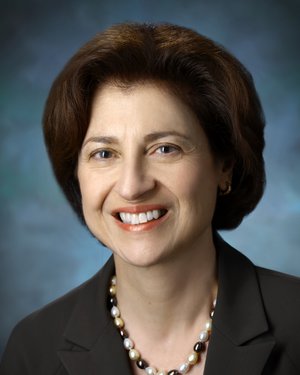
-
Seth Martin Lab
Dr. Martin's research is focused on rapid generation of new knowledge through clinical studies that can be brought back to the bedside to directly inform the care of patients with advanced lipid disorders and those in need of state-of-the-art comprehensive CV prevention. Members of his lab commit to complete ownership of their project, unwavering pursuit of excellence, and thrive on multidisciplinary teamwork. Active projects include the Very Large Database of Lipids, CASCADE FH Registry, MiCORE (Myocardial infarction, COmbined device, Recovery Enhancement), Google Health Search Trial, and mActive-Smoke. For more information, please visit the Ciccarone Center.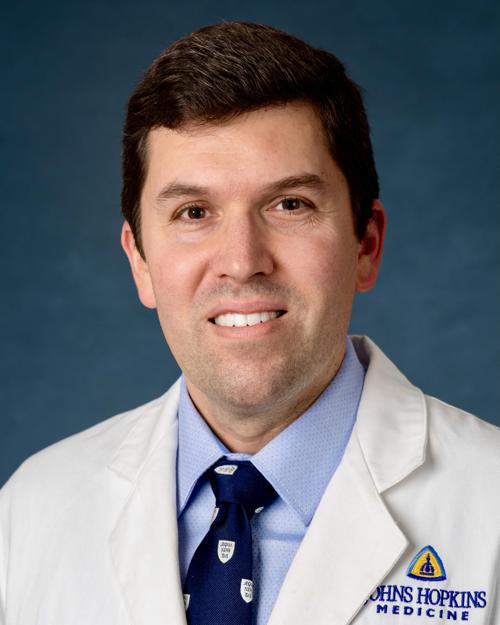
-
Stuart C. Ray Lab
Chronic viral hepatitis (due to HBV and HCV) is a major cause of liver disease worldwide, and an increasing cause of death in persons living with HIV/AIDS. Our laboratory studies are aimed at better defining the host-pathogen interactions in these infections, with particular focus on humoral and cellular immune responses, viral evasion, inflammation, fibrosis progression, and drug resistance. We are engaged in synthetic biology approaches to rational vaccine development and understanding the limits on the extraordinary genetic variability of HCV.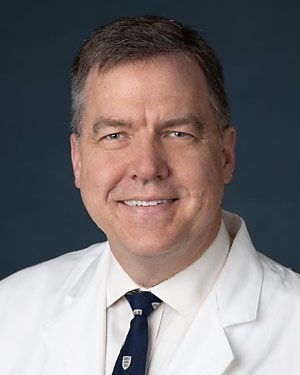
-
Sean T. Prigge Lab
Current research in the Sean T. Prigge Lab explores the biochemical pathways found in the apicoplast, an essential organelle found in malaria parasites, using a combination of cell biology and genetic, biophysical and biochemical techniques. We are particularly focused on the pathways used for the biosynthesis and modification of fatty acids and associated enzyme cofactors, including pantothenate, lipoic acid, biotin and iron-sulfur clusters. We want to better understand how the cofactors are acquired and used, and whether they are essential for the growth of blood-stage malaria parasites.
-
Sean Leng Lab
The Sean Leng Lab studies the biology of healthy aging. Specific projects focus on chronic inflammation in late-life decline; immunosenescence and its relationship to the basic biological and physiological changes related to aging and frailty in the human immune system; and T-cell repertoire analysis.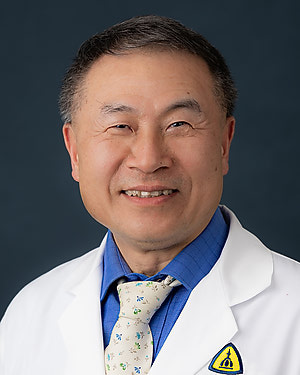
-
John Aucott Lab
Research in the John Aucott Lab focuses on the development of accurate diagnostic tests for all stages of Lyme disease. We work closely with Dr. Mark Soloski on the Study of Lyme disease Immunology and Clinical Events (SLICE), a longitudinal, matched-control study of patients diagnosed with early untreated Lyme disease. The objective is to use the collected biological samples to help identify novel Lyme disease biomarkers that can inform diagnoses, outcomes and the knowledge about disease pathophysiology.
-
The Cihakova Lab
The Cihakova research laboratory is an immunology laboratory dedicated to the investigation of autoimmune diseases. Our most active research is focused on myocarditis and dilated cardiomyopathy. We expanded our interest in inflammatory heart diseases to include the study of immune mechanisms driving pericarditis and myocardial infarction. In addition, we are interested in the pathogenesis of a broad range of autoimmune diseases such as, Sjogren's syndrome, congenital complete heart block, and APECED (autoimmune polyendocrinopathy-candidiasis-ectodermal dystrophy). Through several collaborative projects we also investigate rheumatoid arthritis and the immune components of schizophrenia. -
Chloe Thio Lab
Research in the Chloe Thio lab focuses on several areas. First, HBV virology and immunology in HBV monoinfected and HIV-HBV co-infected individuals that will ultimately help develop a cure for HBV. Second, HCV infection in men who have sex with men. Third, non-alcoholic fatty liver disease with a focus on HIV-infected individuals. Fourth, host genetic determinants of spontaneous HBV recovery and HCV clearance.
-
Drew Pardoll Lab
The Pardoll Lab focuses on the regulation of antigen-specific T cell responses and studies approaches to modify these responses for immunotherapy. Pardoll has a particular interest in cancer immunology and his lab’s studies on basic immunologic mechanisms have led to the development and design of a number of cancer vaccines and discovery of key checkpoint ligands and receptors, such as PD-L2, LAG-3 and neuritin, many of which are being targeted clinically. Our primary pursuits are discovering and elucidating new molecules that regulate immune responses, investigating the biology of regulatory T cells, and better understanding the specific biochemical signatures that allow a patient’s T cells to selectively target cancer cells.