Research Lab Results
-
Jennifer Foulke-Abel Lab
The Jennifer Foulke-Abel Lab engages in basic and translational research focused on how intestinal epithelia interface with their environment. Our work is powered by human adult stem cell-derived intestinal organoids, which capture the unique genetic and phenotypic traits of an individual and enable a personalized approach to understanding epithelial pathophysiology. One project in the lab centers on dissecting the factors involved in mucosal recognition of pathogenic bacteria with the goal to optimize vaccine engineering. A second area of interest is characterizing the altered intestinal stem cell programming associated with dietary nutrient absorption and hormone secretion in obesity to tailor weight-loss therapies.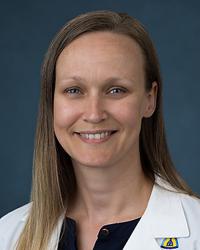
-
Jennifer Lee-Summers Lab
Research in the Jennifer Lee-Summers Lab explores cerebrovascular autoregulation, particularly during anesthesia. Our previous studies have examined cerebrovascular autoregulation and blood flow in patients with hypothermia, in neonatal patients with hypoxic-ischemic encephalopathy and in pediatric patients with moyamoya disease.
Principal Investigator
Department
-
Jeremy Greene Lab
Research in the Jeremy Greene Lab focuses on the history of disease and the ways that medical technologies affect our understanding of what it means to be sick, healthy, normal or abnormal. Particular areas of interest include 20th century clinical medicine, pharmaceuticals, medical technology, medical anthropology and global health. -
Jeremy Nathans Laboratory
The Jeremy Nathans Laboratory is focused on neural and vascular development, and the role of Frizzled receptors in mammalian development. We use gene manipulation in the mouse, cell culture models, and biochemical reconstitution to investigate the relevant molecular events underlying these processes, and to genetically mark and manipulate cells and tissues. Current experiments are aimed at defining additional Frizzled-regulated processes and elucidating the molecular mechanisms and cell biologic results of Frizzled signaling within these various contexts. Complementing these areas of biologic interest, we have ongoing technology development projects related to genetically manipulating and visualizing defined cell populations in the mouse, and quantitative analysis of mouse visual system function. -
Jeremy Sugarman Lab
Research in the Jeremy Sugarman Lab focuses on biomedical ethics—particularly, the application of empirical methods and evidence-based standards to the evaluation and analysis of bioethical issues. Our contributions to medical ethics and health policy include work on the ethics of informed consent, umbilical cord blood banking, stem cell research, international HIV prevention research, global health and research oversight. -
JHU NIMH Research Center
The Johns Hopkins NIMH Center is comprised of an interdisciplinary research team who has pooled their talents to study the nature of HIV-associated neurocognitive disorders (HAND). Their aim is to translate discoveries of the pathophysiological mechanisms into novel therapeutics for HAND.Our objectives are to integrate aspects of ongoing research in HAND and SIV encephalitis; to develop high-throughput and screening assays for identifying novel therapeutic compounds; to use proteomics and lipidomics approaches to indentifying surrogate markers of disease activity; to disseminate information and education about HAND through existing and new educational systems, including the JHU AIDS Education Training Center and the JHU Center for Global Clinical Education and to facilitate the entry of new investigators into neuro-AIDS research, and to catalyze new areas of research, particularly where relevant for drug discovery or the development of validated surrogate markers. -
Jinyuan Zhou Lab
Dr. Zhou's research focuses on developing new in vivo MRI and MRS methodologies to study brain function and disease. His most recent work includes absolute quantification of cerebral blood flow, quantification of functional MRI, high-resolution diffusion tensor imaging (DTI), magnetization transfer mechanism, development of chemical exchange saturation transfer (CEST) technology, brain pH MR imaging, and tissue protein MR imaging. Notably, Dr. Zhou and his colleagues invented the amide proton transfer (APT) approach for brain pH imaging and tumor protein imaging. His initial paper on brain pH imaging was published in Nature Medicine in 2003 and his most recent paper on tumor treatment effects was published in Nature Medicine in 2011. A major part of his current research is the pre-clinical and clinical imaging of brain tumors, strokes, and other neurologic disorders using the APT and other novel MRI techniques. The overall goal is to achieve the MRI contrast at the protein and peptide level without injection of exogenous agents and improve the diagnostic capability of MRI and the patient outcomes.
-
Joanna Melia Lab
The Melia lab performs basic, translational, and clinical research on inflammatory bowel disease. Specifically, Dr Melia's basic science and translational research program is concentrated on novel roles of manganese (Mn) homeostasis in Crohn's disease and the interaction with aberrant N-glycosylation with current support from NIDDK and NICHD, including support as a co-investigator in the Center for Metals in Nutrition and Development.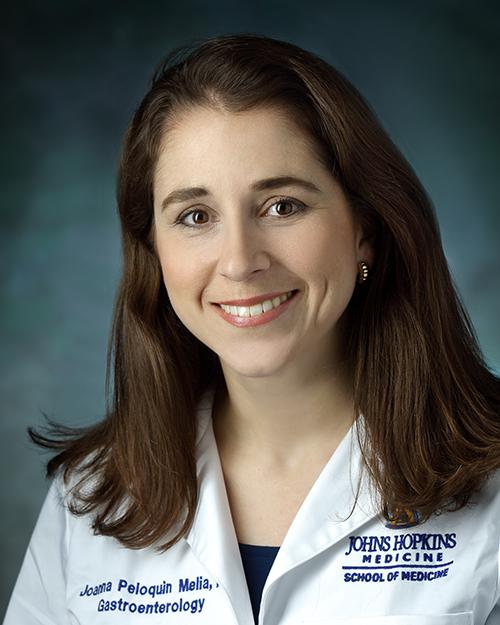
-
Joanna Peloquin Lab
The Joanna Peloquin Lab focuses on inflammatory bowel disease (IBD). We're working on individualized care for IBD patients through functional genomic studies, specifically those related to diet, host and microbiota interactions.
-
Joanne Shay Lab
The Joanne Shay Lab primarily conducts research on pediatric pain management techniques. Our studies have explored pain management in special-needs children and patients, and we have studied non-traditional pain management methods, such as regional anesthesia and peripheral nerve blocks in children, medical acupuncture, and remote anesthesia services. We also have an ongoing interest in the business of medicine.