Research Lab Results
-
Tom Woolf Lab
The Tom Woolf Lab studies the quarter of the genome devoted to membrane proteins. This rapidly growing branch of bioinformatics, which includes computational biophysics, represents the main research direction of our group. We aim to provide insight into critical issues for membrane systems. In pursuit of these goals, we use extensive computer calculations to build an understanding of the relations between microscopic motions and the world of experimental measurements. Our calculations use our own Beowulf computer cluster as well as national supercomputer centers. An especially strong focus has been on the computed motions of proteins and all-atom models of the lipid bilayers that mediate their influence. To compute these motions, we use the molecular dynamics program CHARMM. We hope to use our understanding of the molecular motions for the prediction of membrane protein structures using new computational methods. -
Translational Neurobiology Laboratory
The goals of the Translational neurobiology Laboratory are to understand the pathogenesis and cell death pathways in neurodegenerative disorders to reveal potential therapeutic targets for pharmaceutical intervention; to investigate endogenous survival pathways and try to induce these pathways to restore full function or replace lost neurons; and to identify biomarkers to mark disease function or replace lost neurons; and to identify biomarkers to mark disease progression and evaluate therapeutics. Our research projects focus on models of Huntington's disease and Parkinson's disease. We use a combination of cell biology and transgenic animal models of these diseases. -
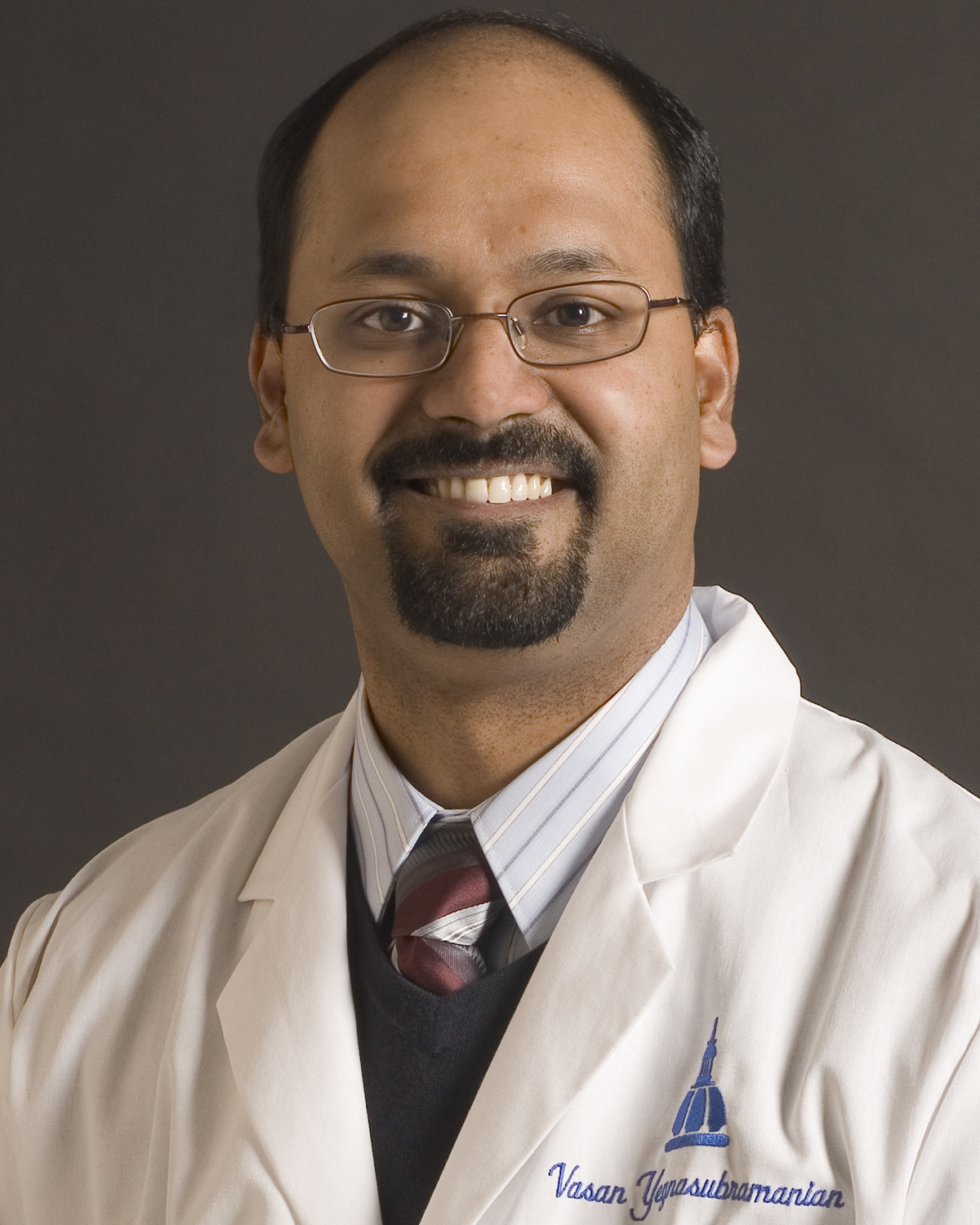
Srinivasan Yegnasubramanian Lab
Dr. Yegnasubramanian directs a Laboratory of Cancer Molecular Genetics and Epigenetics at the Sidney Kimmel Comprehensive Cancer Center (SKCCC), and is also the Director of the SKCCC Next Generation Sequencing Center. Our lab research is focused on understanding the complex interplay between genetic and epigenetic alterations in carcinogenesis and disease progression, and to exploit this understanding in developing novel biomarkers for diagnosis and risk stratification as well as in identifying targets for therapeutic intervention. -
Stephen Gould Laboratory
The Gould Laboratory studies vesicles, known as exosomes and microvesicles (EMVs), that can be taken up by neighboring cells, completing a pathway of intercellular vesicle traffic. Our laboratory studies the molecular mechanisms of EMV biogenesis and uptake, and their contributions to cell polarity, cell-to-cell interactions, and intercellular signaling. We also examine the ways in which HIV and other retroviruses use the exosome biogenesis pathway for the formation of infectious virions, and the consequences of their EMV origin.
-
The Sfanos Lab
The Sfanos Lab studies the cellular and molecular pathology of prostate disease at the Johns Hopkins University School of Medicine. We are specifically interested in agents that may lead to chronic inflammation in the prostate, such as bacterial infections and prostatic concretions called corpora amylacea. Our ongoing studies are aimed at understanding the influence of prostate infections and inflammation on prostate disease including prostate cancer and benign prostatic hyperplasia (BPH). The laboratory also focuses on the influence of the microbiome on prostate disease development, progression, and/or resistance to therapy. -
Spinal Column Surgical Outcomes Lab
The Spinal Column Surgical Outcomes Laboratory aims to improve the neurological outcomes and functional capacity of patients undergoing spinal surgery. We collect large-scale retrospective patient databases and prospective patient registries to report high-quality data relating to the outcomes of neurosurgical operations. The laboratory participates in the National neurosurgical Quality and Outcomes Database (N2QOD). This multi-institutional collaboration has set forth a 3-year prospective study to benchmark quality and surgical outcome measures across several academic institutions. The Spinal Column Surgical Outcomes Laboratory specializes in biostatistical analysis of large-scale clinical databases, studying the outcomes of traditional and novel spinal procedures, quality control and cost-effectiveness research and clinical trials relating to spinal surgery outcomes. -
Sonye Danoff Lab
Research in the Sonye Danoff Lab includes both basic and translational studies of lung fibrosis. We have explored topics such as the role of support measures and palliative care, pulmonary manifestations of Sjogren's syndrome, idiopathic inflammatory myopathies and the treatment of cough in idiopathic pulmonary fibrosis. Our research has also involved investigating the lung as a potential target for the immune reaction in myositis.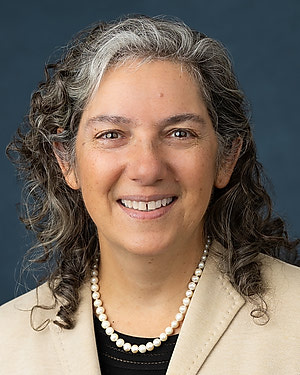
-
Steven Levin Lab
Research in the Steven Levin Lab focuses on chemical neurolysis, epiduroscopy (and training for physicians), opioid administration, and the use of alternative therapies for pain management. In collaboration with the American Society of Law, Medicine and Ethics and with funding from a Donahue Foundation Grant, we study social and ethical considerations in pain management. We have also been involved in clinical trials of novel analgesics. -
Supendymoma and Ependymoma Research Center
The Johns Hopkins comprehensive Subependymoma and Ependymoma Research Center divideS its efforts into three areas: basic science, translational research and clinical practice. Each division works separately but shares findings and resources openly with each other and our collaborators. The goal of our united efforts is to optimize current treatments to affect the care received by patients with subependymomas and ependymomas. Also, our clinical, translational and basic science teams work to develop novel therapies to improve and extend the lives of those with these rare tumors. -
Saleh Alqahtani Lab
The Saleh Alqahtani Lab has conducted clinical research on the management of fatty liver disease and viral hepatitis, including novel therapies. We’ve also been involved in various clinical trials related to liver cirrhosis, liver cancer and outcomes of liver transplant patients.