Research Lab Results
-
Head and Neck Cancer Clinical Trials and Tissue Bank
The Johns Hopkins Head and Neck Cancer Tissue Bank enrolls patients and collects research specimens from Head and Neck Tumor patients, both cancerous and benign, with particular focus on Head and Neck Squamous Cell Cancer patients. It provides specimens to researchers both within the institution and outside.
-
Borahay Lab: Gynecologic and Fibroids Research
Dr. Borahay's lab focuses on understanding pathobiology, developing novel treatments, and carrying out high quality clinical trials for common gynecologic problems with a special focus on uterine fibroids. Our lab also investigates the causes and novel treatments for menstrual disorders such as heavy and irregular periods. In addition, Dr. Borahay’s team explores innovative approaches to minimally invasive gynecologic surgery, focusing on outpatient procedures with less pain and faster recovery times. -
Drew Pardoll Lab
The Pardoll Lab focuses on the regulation of antigen-specific T cell responses and studies approaches to modify these responses for immunotherapy. Pardoll has a particular interest in cancer immunology and his lab’s studies on basic immunologic mechanisms have led to the development and design of a number of cancer vaccines and discovery of key checkpoint ligands and receptors, such as PD-L2, LAG-3 and neuritin, many of which are being targeted clinically. Our primary pursuits are discovering and elucidating new molecules that regulate immune responses, investigating the biology of regulatory T cells, and better understanding the specific biochemical signatures that allow a patient’s T cells to selectively target cancer cells.
-
Eugene Shenderov Laboratory
The Shenderov Lab focuses on the elucidation of the mechanisms of immune response and resistance to immunotherapy in Prostate Cancer. This has led to clinical and basic research investigating the presumptive checkpoint inhibitor B7-H3. In pursuit of understanding biomarkers or resistance and response, and regulatory molecules of immune response, we utilize artificial intelligence, immunogenomics, and spatial proteomics and transcriptomics in the laboratory and at the bedside using clinical trial correlative samples. -
Mihail Zilbermint Lab
Research in the Mihail Zilbermint Lab focuses on diabetes, adrenal disease and thyroid disease. Recent areas of focus include pseudohypoaldosteronism type 1 related to novel variants of SCNN1B gene, genetic variance in the ARMC5 gene in primary macronodular adrenocortical hyperplasia and hyperaldosteronism due to de novo KCNJ5 mutation.
-
Minimally Invasive Neurosurgery Lab
Directed by Alan R. Cohen, M.D., Carson-Spiro Professor of Neurosurgery, Oncology and Pediatrics, the laboratory is focused on developing novel instruments and approaches to enhance the safety and efficacy of neurosurgical procedures. Current investigations include work in microsurgery, endoscopy, image guidance and robotic surgery. A cadaveric skills lab offers training in neurosurgical techniques. -
The Pathak Lab
The Pathak lab is within the Division of Cancer Imaging Research in the Department of Radiology and Radiological Science. We develop novel imaging methods, computational models and visualization tools to ‘make visible’ critical aspects of cancer, stroke and neurobiology. Our research broadly encompasses the following areas: Functional and Molecular Imaging; Clinical Biomarker Development; Image-based Systems Biology and Visualization and Computational Tools. We are dedicated to mentoring the next generation of imagers, biomedical engineers and visualizers. Additional information can be found at www.pathaklab.org or by emailing Dr. Pathak. -
Amy Kim Lab
The Amy Kim lab performs basic, translational, and clinical research on liver lesions and hepatocellular carcinoma (HCC). She uses state of the art techniques such artificial intelligence enhanced interpretation of pathology and imaging, as well as detection of circulating tumor cells for early detection and prediction of recurrence of HCC after resection and liver transplantation.
-
Amit Pahwa Lab
The Amit Pahwa Lab conducts research on a variety of topics within internal medicine. Our most recent studies have explored misanalysis of urinalysis results, urinary fractional excretion indices in the evaluation of acute kidney injury and nocturnal enuresis as a risk factor for falls in older women. We also investigate cancer diagnostics and treatments. In this area, our recent research has included studying cutaneous shave biopsies for diagnosing primary colonic adenocarcinoma as well as growth inhibition and apoptosis in human brain tumor cell lines using selenium.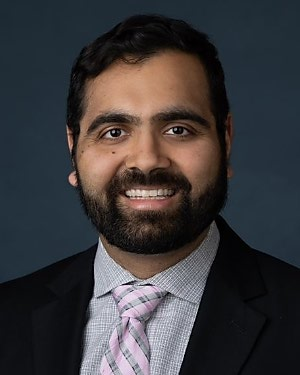
-
Jun Hua Lab
Dr. Hua's research has centered on the development of novel MRI technologies for in vivo functional and physiological imaging in the brain, and the application of such methods for studies in healthy and diseased brains. These include the development of human and animal MRI methods to measure functional brain activities, cerebral perfusion and oxygen metabolism at high (3 Tesla) and ultra-high (7 Tesla and above) magnetic fields. He is particularly interested in novel MRI approaches to image small blood and lymphatic vessels in the brain. Collaborating with clinical investigators, these techniques have been applied 1) to detect functional, vascular and metabolic abnormalities in the brain in neurodegenerative diseases such as Huntingdon's disease (HD), Parkinson's disease (PD), Alzheimer's disease (AD) and mental disorders such as schizophrenia; and 2) to map brain functions and cerebrovascular reactivity for presurgical planning in patients with vascular malformations, brain tumors and epilepsy.