Research Lab Results
-
Kunisaki Lab
The Kunisaki lab is a NIH-funded regenerative medicine group within the Division of General Pediatric Surgery at Johns Hopkins that works at the interface of stem cells, mechanobiology, and materials science. We seek to understand how biomaterials and mechanical forces affect developing tissues relevant to pediatric surgical disorders. To accomplish these aims, we take a developmental biology approach using induced pluripotent stem cells and other progenitor cell populations to understand the cellular and molecular mechanisms by which fetal organs develop in disease.
Our lab projects can be broadly divided into three major areas: 1) fetal spinal cord regeneration 2) fetal lung development 3) esophageal regeneration
Lab members: Juan Biancotti, PhD (Instructor/lab manager); Annie Sescleifer, MD (postdoc surgical resident); Kyra Halbert-Elliott (med student), Ciaran Bubb (undergrad)
Recent publications:
Kunisaki SM, Jiang G, Biancotti JC, Ho KKY, Dye BR, Liu AP, Spence JR. Human induced pluripotent stem cell-derived lung organoids in an ex vivo model of congenital diaphragmatic hernia fetal lung. Stem Cells Translational Medicine 2021, PMID: 32949227Biancotti JC, Walker KA, Jiang G, Di Bernardo J, Shea LD, Kunisaki SM. Hydrogel and neural progenitor cell delivery supports organotypic fetal spinal cord development in an ex vivo model of prenatal spina bifida repair. Journal of Tissue Engineering 2020, PMID: 32782773.
Kunisaki SM. Amniotic fluid stem cells for the treatment of surgical disorders in the fetus and neonate. Stem Cells Translational Medicine 2018, 7:767-773
-
Laboratory for Fetal and Neonatal Organ Regeneration
Researchers in the Laboratory for Fetal and Neonatal Organ Regeneration in the Department of Surgery at the Johns Hopkins School of Medicine are studying whether cellular reprogramming, stem cells, and ex vivo modeling can be applied to improve organ regeneration in pediatric surgical patients. To execute these aims, the lab collaborates with developmental biologists and biomedical engineers throughout the country and employs cutting-edge molecular strategies and pre-clinical animal models.
-
Steven Frank Lab
Research in the Steven Frank Lab focuses on processes to improve blood use and to avoid blood transfusions for patients who do not want to receive blood or blood products. Processes include autologous hemodilution and cell salvage, and treating or averting anemia pre- and post-surgery. Other lab studies have focused on blood conservation, bloodless medicine surgery, the regulation of body temperature during surgery and methods of preventing hypothermia during surgery.
-
Robert Wise Lab
The Robert Wise Lab conducts clinical trials to study chronic obstructive lung diseases (COPD). We investigate inhaled corticosteroids in patients with mild to moderate COPD and the effectiveness of anti-inflammatories in allowing lung growth in mild to moderate asthmatic children. Our research includes exploring the efficacy of various treatments for asthmatic women who are pregnant and of lung-volume reduction surgery for emphysema patients. We also conduct studies of the clinical epidemiology, pathobiology and treatment of interstitial lung disease in patients with scleroderma.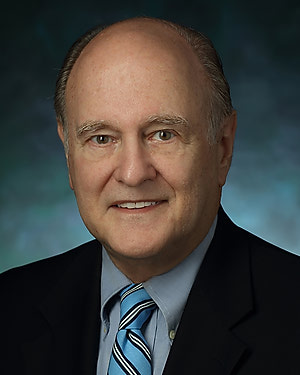
-
Jonathan Walsh Lab
The Jonathan Walsh Lab is currently researching longitudinal trends of diagnostic and procedural utilization in pediatric patients with head and neck complaints.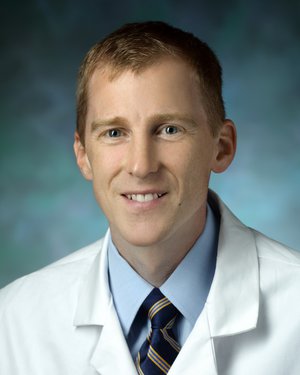
-
URobotics
URobotics is a research and education program that uses advanced technology to improve how urological diseases are diagnosed and treated. The URobotics lab’s main focus is creating robots that aid in real-time, image-guided interventions. This multidisciplinary team of urologists, radiologists and engineers has teamed up to revolutionize how surgeries are performed. -
Kathleen Cullen Lab
We are continually in motion. This self-motion is sensed by the vestibular system, which contributes to an impressive range of brain functions, from the most automatic reflexes to spatial perception and motor coordination. The objective of Dr. Cullen's lab's research program is to understand the mechanisms by which self-motion (vestibular) information is encoded and then integrated with signals from other modalities to ensure accurate perception and control of gaze and posture. Our studies investigate the sensorimotor transformations required for the control of movement, by tracing the coding of vestibular stimuli from peripheral afferents, to behaviorally-contingent responses in central pathways, to the readout of accurate perception and behavior. Our experimental approach is multidisciplinary and includes a combination of behavioral, neurophysiological and computational approaches in alert behaving non-human primates and mice. Funding for the laboratory has been and is provided by the Canadian Institutes for Health Research (CIHR), The National Institutes of Health (NIH), the National Sciences and Engineering Research Council of Canada (NSERC), FQRNT / FQRSC (Quebec). -
Neuro-Oncology Surgical Outcomes Laboratory
Directed by Debraj “Raj” Mukherjee, MD, MPH, the laboratory focuses on improving access to care, reducing disparities, maximizing surgical outcomes, and optimizing quality of life for patients with brain and skull base tumors.
The laboratory achieves these aims by creating and analyzing institutional and national databases, developing and validating novel patient-centered quality of life instruments, leveraging machine learning and artificial intelligence platforms to risk-stratify vulnerable patient populations, and designing novel surgical trials to push the boundaries of neurosurgical innovation.
Our research also investigates novel approaches to improve neurosurgical medical education including studying the utility of video-based surgical coaching and the design of new operative instrumentation.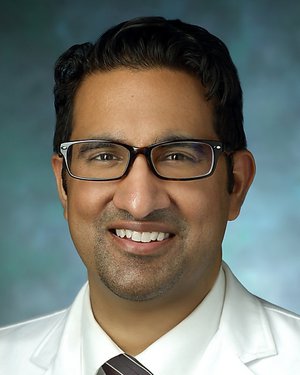
-
Nauder Faraday Lab
The Nauder Faraday Lab investigates topics within perioperative genetic and molecular medicine. We explore thrombotic, bleeding and infectious surgical complications. Our goal is to uncover the molecular determinants of outcome in surgical patients, which will enable surgeons to better personalize a patient’s care in the perioperative period. Our team is funded by the National Institutes of Health to research platelet phenotypes, the pharmacogenomics of antiplatelet agents for preventing cardiovascular disease, and the genotypic determinants of aspirin response in high-risk families.