Research Lab Results
-
Michael Klag Lab
The Michael Klag Lab focuses on the epidemiology and prevention of kidney disease, cardiovascular disease and hypertension. Our research determined that the U.S. was experiencing an epidemic of end-stage kidney disease, pinpointed the incidence of kidney disease and published scholarship on risk factors for kidney disease such as race, diabetes and socioeconomic status. Our Precursors Study has shown that serum cholesterol measured at age 22 years is a predictor for midlife cardiovascular disease, a finding that has influenced policy about cholesterol screening in young adults. We also research health behaviors that lead to hypertension and study how differences in these behaviors affect urban and non-urban populations. -
Hsu Lab
Our work is focused on the translational human in vivo and ex vivo assessments of right ventricular (RV) function in the setting of pulmonary hypertension. Among patients with group I pulmonary arterial hypertension PAH, those with systemic-sclerosis-associated PAH (SSc-PAH) have a particularly poor prognosis and less optimal response to PAH-guided therapy. Using in vivo pressure-volume catheterization of the right ventricle, we have uncovered key deficiencies in resting and reserve RV function in the SSc-PAH group when compared to idiopathic PAH (IPAH) patients. These studies have uncovered key discoveries with regards to right ventricular-pulmonary arterial (RV-PA) coupling in PAH. In the lab, by studying myofilament function from RV endomyocardial biopsies from these same patients, we have uncovered corresponding deficiencies in myofilament contractility and calcium sensitivity as well. Ongoing work is directed towards determining the underlying mechanism of these findings, which will hopefully lead to therapeutic applications for RV failure in SSc-PAH. Further endeavors are directed towards studying RV failure in other populations, including exercise-induced PH, PH secondary to left-heart disease, and the left ventricular assist device population.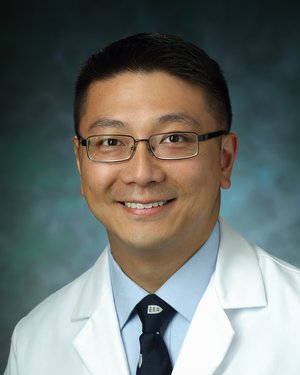
-
Hsin-Chieh Yeh Lab
Work in the Hsin-Chieh Yeh Lab focuses on clinical trials and cohort studies of diabetes, obesity and behavioral intervention, cancer and hypertension. Recent investigations have focused on novel risk factors and complications related to obesity and type 2 diabetes, particularly lung function, smoking and cancer. We recently co-led a randomized clinical trial of tailored dietary advice for consumption of dietary supplements to lower blood pressure and improve cardiovascular disease risk factors in hypertensive urban African Americans.
-
Stephen Mathai Lab
The Stephen Mathai Lab focuses its research on pulmonary medicine. We're particularly interested in scleroderma-associated pulmonary hypertension, pulmonary complications of connective tissue disease, idiopathic pulmonary fibrosis and pulmonary hypertension.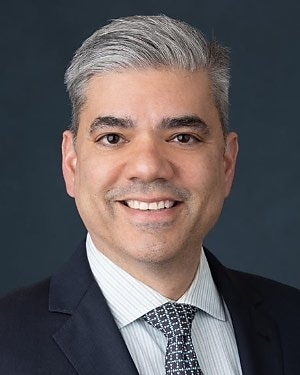
-
Romsai Boonyasai Lab
Research in the Romsai Boonyasai Lab focuses on systems-based approaches for improving health care quality, including reducing harm during care transitions after hospital discharge and improving outcomes related to hypertension and other chronic diseases. We recently have focused on developing and evaluating practice-based tools for improving the accuracy of blood pressure measurement, overcoming clinical inertia to treatment, and engaging patients in self-management of their health. -
C. John Sperati Lab
Dr. Sperati’s group focuses on complement mediated kidney disorders, glomerular disease, and renal arterial disease secondary to fibromuscular dysplasia. His team has a particular interest in thrombotic microangiopathies involving the complement system.
-
Daniel Nyhan Lab
The Daniel Nyhan Lab studies vascular changes that accompany aging to determine the underlying causes and find ways to reverse the process. One goal of our research is to identify the factors that cause vascular stiffness. Our hope is that our work in vascular biology will lead to new ways to improve vascular compliance and thereby improve cardiovascular function and perioperative risk.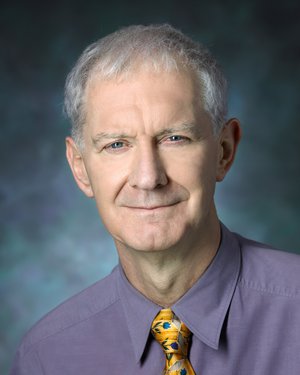
-
Pediatric Proteome Center
Lauren Jantzie, Ph.D. and colleagues across Johns Hopkins are identifying new biomarkers — measurable, physical signs — to help identify pediatric heart disease and brain injury. Along with Allen Everett, M.D., a leader in pediatric biomarker discovery, initially in sickle cell disease and subsequently in birth injury, congenital heart disease repair, ECMO, prematurity and pulmonary hypertension, Dr. Jantzie directs the Pediatric Proteome Center and integrates cutting edge molecular medicine with clinical innovation.
-
Edgar Miller Lab
Research in the Edgar Miller Lab focuses on nutrition, hypertension and kidney disease. Current projects include a National Heart, Lung, and Blood Institute study on dietary carbohydrate and glycemic index effects on markers of oxidative stress, inflammation and kidney function; and a National Institute of Diabetes and Digestive and Kidney Diseases randomized controlled trial that examines the effects of omega-3 fatty acid supplementation on urine protein excretion in diabetic kidney disease. -
Larissa Shimoda Lab
Research in the Larissa Shimoda Lab focuses on several important topics within pulmonary and critical care medicine. We primarily study pulmonary arterial responses to chronic hypoxia as well as hypoxic pulmonary vasoconstriction and oxidant-mediated lung injury. Our recent research has included investigating the effects of chronic hypoxia on pulmonary circulation and the ways in which hypoxia-inducible factors impact pulmonary vascular responses to hypoxia. We have also studied vascular remodeling in patients with pulmonary hypertension.