Research Lab Results
-
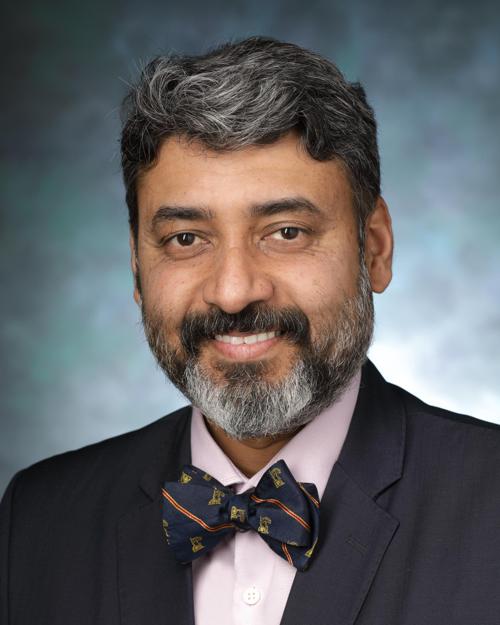
Clifton O. Bingham III Lab
Research in the Clifton O. Bingham III Lab focuses on defining clinical and biochemical disease phenotypes related to therapeutic responses in rheumatoid arthritis and osteoarthritis; developing rational clinical trial designs to test new treatments; improving patient-reported outcome measures; evaluating novel imaging modalities for arthritis; and examining the role of oral health in inflammatory arthritis.
-
Cheryl Dennison Himmelfarb Lab
Research in the Cheryl Dennison Lab aims to improve cardiovascular care for high-risk groups through multidisciplinary and health information technology-based methods. Our studies focus on reducing system and provider obstacles to implementing cardiovascular guidelines in various health care environments. Additional research interests include chronic illness management, quality of care, interdisciplinary teamwork and provider behavior. -
Gregory Kirk Lab
Research in the Gregory Kirk Lab examines the natural history of viral infections — particularly HIV and hepatitis viruses — in the U.S. and globally. As part of the ALIVE (AIDS Linked to the Intravenous Experience) study, our research looks at a range of pathogenetic, clinical behavioral issues, with a special focus on non-AIDS-related outcomes of HIV, including cancer and liver and lung diseases. We use imaging and clinical, genetic, epigenetic and proteomic methods to identify and learn more about people at greatest risk for clinically relevant outcomes from HIV, hepatitis B and hepatitis C infections. Our long-term goal is to translate our findings into targeted interventions that help reduce the disease burden of these infections.
-
Deidra Crews Lab
Dr. Crews’ team focuses on health disparities in chronic kidney disease. We have studied how social determinants of health, such as poverty and healthful food access, affect disparities in kidney disease outcomes. Our research on end-stage renal disease includes studies of the best timing and environment to initiate dialysis among vulnerable populations.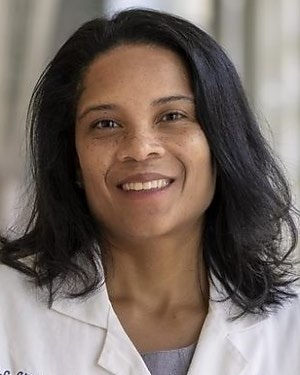
-
Brent Petty Lab
Dr. Petty's laboratory interests focuses on antimicrobial chemotherapy, hospital-based medical practices, and internal medicine collaboration with ophthalmologic clinical trials.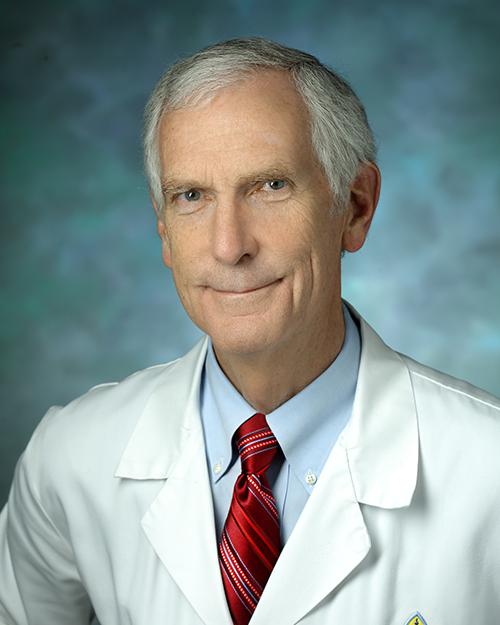
-
Benjamin Bodnar Lab
Research in the Benjamin Bodnar Lab focuses on global health, particularly the application of quality-improvement techniques in resource-limited and developing health care environments. Lab work utilizes insights gained through Dr. Bodnar's past work with projects including Partners in Health, The Millennium Villages Project and the Mulago University-Yale University Collaboration in Uganda.
-
Elizabeth Selvin Lab
The Elizabeth Selvin Lab examines the intersection of epidemiology, clinical policy and public health policy. One of our key goals is to use the findings of epidemiologic research to inform the screening, diagnosis and treatment of diabetes, cardiovascular disease and kidney disease. Much of our work looks at biomarkers and diagnostics related to diabetes and diabetes complications. Our findings — linking hemoglobin A1c (HbA1c) to diabetic complications and identifying the role of A1c in diabetes diagnosis — have influenced clinical practice guidelines.
-
Edward Kraus Lab
Dr. Kraus’ team investigates the factors that impact the long-term success or failure of kidney transplants as well as barriers to nephrology care and transplants in minority populations. We research many topics dealing with kidney transplant rejection, including diagnostic criteria, infection risk and incompatibility factors. Our lab also has a longstanding interest in pancreas transplants and has conducted research to establish guidelines for diagnosing antibody-mediated rejection of pancreas allografts-updated Banff grading schema. -
Erica Johnson Lab
Research in the Erica Johnson Lab investigates infection control in military deployment environments as well as infections that are associated with combat trauma. We explore topics such as HIV outcomes, gender-based health issues and disparities in care.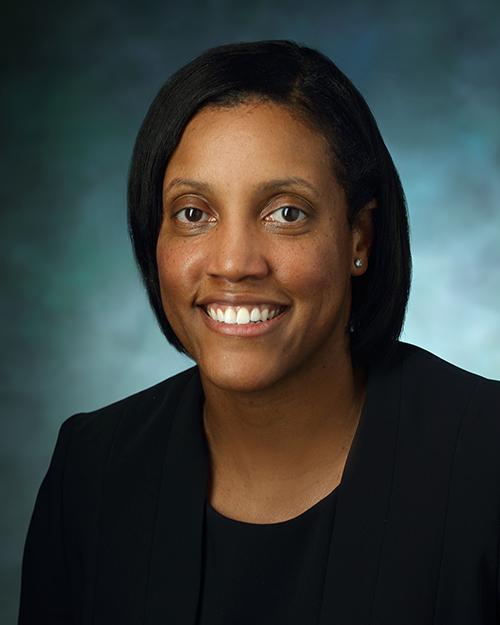
-
Zishan Siddiqui Lab
Research in the Zishan Siddiqui Lab focuses on patient-centered care and satisfaction, preoperative medicine and clinical reasoning. We are also interested in international medicine. In a previous collaboration with Daniel Brotman, M.D., we discovered that hospital renovations do not improve patient satisfaction.