Research Lab Results
-
Ana-Marie Orbai Lab
The Ana-Marie Orbai Lab focuses on inflammatory arthritis. Current clinical research projects in the lab examine patient symptoms and experiences in rheumatic diseases and inflammatory arthritis. We focus on stiffness in rheumatoid arthritis and patient-reported outcomes. Previous research in the lab focused on systemic lupus erythemaous (SLE). -
Alan Baer Lab
Research in the Alan Baer Lab focuses on Sjogren's syndrome. Previously, we conducted the Sjogren's International Registry (SICCA), enrolling 300 patients and creating a valuable source of clinical data and biospecimens for research we're conducting with colleagues at Johns Hopkins and the University of California-San Francisco. Currently, we're conducting a longitudinal observational study of patients with Sjogren's syndrome. We're also collaborating with Dr. Ben Larman in the Department of Pathology, using phage immuno-precipation sequencing to work on a characterization of the complete autoantibody repertoire in Sjogren's syndrome patients.
-
Joel Pomerantz Laboratory
The Pomerantz Laboratory studies the molecular machinery used by cells to interpret extracellular signals and transduce them to the nucleus to affect changes in gene expression. The accurate response to extracellular signals results in a cell's decision to proliferate, differentiate or die, and it's critical for normal development and physiology. The dysregulation of this machinery underlies the unwarranted expansion or destruction of cell numbers that occurs in human diseases like cancer, autoimmunity, hyperinflammatory states and neurodegenerative disease. Current studies in the lab focus on signaling pathways that are important in innate immunity, adaptive immunity and cancer, with particular focus on pathways that regulate the activity of the pleiotropic transcription factor NF-kB.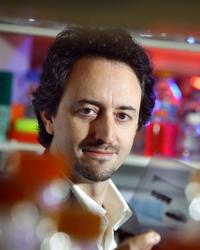
-
Fredrick Wigley Lab
The Frederick Wigley Lab is interested in the signs, symptoms and causes of scleroderma. We are testing new treatments for RaynaudÕs phenomenon and scleroderma. Understanding the treatment approach to Raynaud's phenomenon and associated ischemia and how to prevent digital ulcers is important for clinicians caring for these patients. Work in our lab has provided guidance in the management of Raynaud's phenomenon and digital ischemic ulcers, including options for the practical pharmacologic and nonpharmacologic interventions.
-
Sonye Danoff Lab
Research in the Sonye Danoff Lab includes both basic and translational studies of lung fibrosis. We have explored topics such as the role of support measures and palliative care, pulmonary manifestations of Sjogren's syndrome, idiopathic inflammatory myopathies and the treatment of cough in idiopathic pulmonary fibrosis. Our research has also involved investigating the lung as a potential target for the immune reaction in myositis.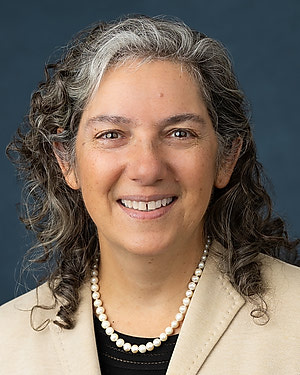
-
Jean Kim Lab
The Jean Kim Laboratory performs translational research in the area of chronic rhinosinusitis, with a niche interest in the pathogenesis of hyperplastic nasal polyposis. Studies encompass clinical research to basic wet laboratory research in studying the underlying immune and autoimmune mediated mechanism of polyp growth and perpetuation of disease. Human cell and tissue culture models are used. Techniques in the laboratory include cell and tissue culture, real time PCR, immunoblot, ELISA, flow cytometry, immunohistochemistry, electron microscopy, gene array analysis, and other molecular approaches including genetic knockdowns. Approaches used in Dr. Kim’s clinical study designs include prospective and retrospective analysis of patient outcomes and clinical biomarkers, as wells controlled clinical trials.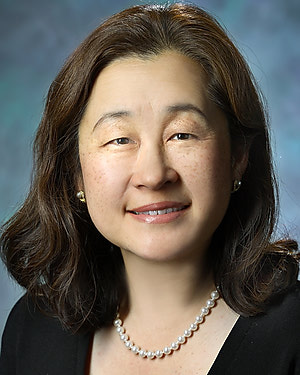
-
Mukherjee Lab
The Mukherjee Cardiovascular Innovations Lab harnesses cutting-edge imaging techniques to explore cardiovascular manifestations and enhance the screening, early detection, and prediction of adverse clinical events across a broad range of autoimmune diseases. -
Suzanne Topalian Lab
Our lab currently focuses on three areas of immunotherapy research: gaining a deeper knowledge of the biological underpinnings of human autoimmune response; discovering biomarkers that will help us identify which patients and tumor types are most likely to respond to various immune therapies; and developing immune-based treatment combinations that could deliver a more powerful anti-tumor response than monotherapies.