Research Lab Results
-
Robert Lawrence Lab
Research in the Robert Lawrence Lab examines how industrial agriculture, food security and human rights affect the environment. -
Pedro Alejandro Mendez-Tellez Lab
Work in the Pedro Alejandro Mendez-Tellez Lab focuses on critical care medicine and acute lung injury. Recent studies include evaluating demographic and clinical factors associated with self-reported dysphagia after oral endotracheal intubation and mechanical ventilation in patients with acute lung injury. We've also analyzed orticosteroids and their relationship with delirium in critically ill patients.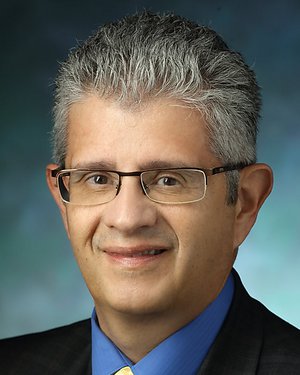
-
Bradford Winters Lab
The Bradford Winters Lab conducts research on patient safety and quality of care. Our team focuses on the topics of patient care in the intensive care unit, evidence-based medicine, quality health care, and the measurement and evaluation of safety efforts. Currently our work involves evaluating pain management techniques in post-craniotomy patients, developing guidelines for policy development of patient safety initiatives and creating measures for rapid-response system outcomes.
Principal Investigator
Department
-
Mukherjee Lab
The Mukherjee Cardiovascular Innovations Lab harnesses cutting-edge imaging techniques to explore cardiovascular manifestations and enhance the screening, early detection, and prediction of adverse clinical events across a broad range of autoimmune diseases. -
Paul Worley Lab
The Paul Worley Lab examines the molecular basis of learning and memory. In particular, we cloned a set of immediate early genes (IEGs) that are rapidly transcribed in neurons involved in information processing, and that are essential for long term memory. IEG proteins can directly modify synapses and provide insight into cellular mechanisms that support synapse-specific plasticity. -
Pluznick Lab
The Pluznick Lab is interested in the role that chemosensation plays in regulating physiological processes, particularly in the kidney and the cardiovascular system. We have found that sensory receptors (olfactory receptors, taste receptors, and other G-protein coupled receptors) are expressed in the kidney and in blood vessels, and that individual receptors play functional roles in whole-animal physiology. We are currently working to identify the full complement of sensory receptors found in the kidney, and are working to understand the role that each receptor plays in whole-animal physiology by using a variety of in vitro (receptor localization, ligand screening) and in vivo (whole-animal physiology) techniques. -
Post Lab
The Post Lab is involved in the Multi-Ethnic Study of Atherosclerosis (MESA), a collaborative study of the characteristics of subclinical cardiovascular disease (that is, disease detected non-invasively before it has produced clinical signs and symptoms) and the risk factors that predict progression to clinically overt cardiovascular disease or progression of the subclinical disease. As MESA researchers, we study a diverse, population-based sample of 6,814 asymptomatic men and women aged 45-84. Approximately 38 percent of the recruited participants are white, 28 percent African-American, 22 percent Hispanic, and 12 percent Asian, predominantly of Chinese descent. Participants were recruited from six field centers across the United States, including Johns Hopkins University. Each participant received an extensive physical exam to determine a number of conditions, including coronary calcification, ventricular mass and function, flow-mediated endothelial vasodilation, standard coronary risk factors, sociodemographic factors, lifestyle factors, and psychosocial factors. Selected repetition of subclinical disease measures and risk factors at follow-up visits have allowed study of the progression of disease. Participants are being followed for identification and characterization of cardiovascular disease events, including acute myocardial infarction and other forms of coronary heart disease (CHD), stroke, and congestive heart failure; for cardiovascular disease interventions; and for mortality. Wendy S. Post, MD, MS, is an associate faculty, Welch Center for Prevention, Epidemiology, and Clinical Research, Johns Hopkins University, and a professor of medicine.
-
Platelet Physiology Research Lab
Dr. Williams' research focuses on platelet physiology particularly as it relates to acute coronary syndromes and depression. Her laboratory specifically examines platelet aggregation, flow cytometric analysis to measure platelet activation, platelet luminescence as a measure of the platelet release reaction, many Elisa preparations in order to measure platelet function, platelet genotyping to determine the presence of certain platelet polymorphisms, and various other assays to distinguish mechanisms of platelet dysfunction. The goal for her cardiovascular platelet laboratory is to identify the etiology of platelet dysfunction in many disease states and apply methods that may improve this dysfunction that can eventually be translated to therapies for patients with cardiovascular disease. Scientific techniques performed in the lab include: flow cytometric analysis, platelet microparticle identification, and protein immunoprecipitation among other techniques.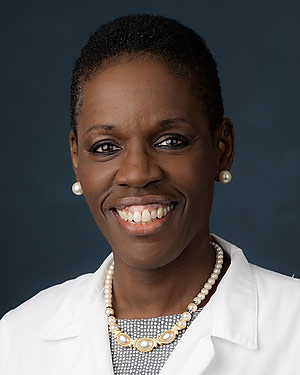
-
Philip Wong Lab
The Philip Wong Lab seeks to understand the molecular mechanisms and identification of new therapeutic targets of neurodegenerative diseases, particularly Alzheimer's disease (AD) and amyotrophic lateral sclerosis (ALS). Taking advantage of discoveries of genes linked to these diseases (mutant APP and PS in familial AD and mutant SOD1, dynactin p150glued ALS4and ALS2 in familial ALS), our laboratory is taking a molecular/cellular approach, including transgenic, gene targeting and RNAi strategies in mice, to develop models that facilitate our understanding of pathogenesis of disease and the identification and validation of novel targets for mechanism-based therapeutics. Significantly, these mouse models are instrumental for study of disease mechanisms, as well as for design and testing of therapeutic strategies for AD and ALS. -
Peter Agre Lab
Work in the Peter Agre Lab focuses on the molecular makeup of human diseases, particularly malaria, hemolytic anemias and blood group antigens. In 2003, Dr. Agre earned the Nobel Prize in Chemistry for discovering aquaporin water channels. Building on that discovery, our recent research has included studies on the protective role of the brain water channel AQP4 in murine cerebral malaria, as well as defective urinary-concentrating ability as a result of a complete deficiency in aquaporin-1. We also collaborate on scientific training and research efforts with 20 Baltimore-area labs and in field studies in Zambia and Zimbabwe.