Research Lab Results
-
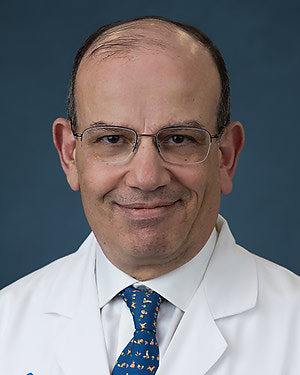
Mark Sulkowski Lab
Research in the Mark Sulkowski Lab focuses on hepatitis B and hepatitis C. We've conducted clinical research related to the management of viral hepatitis, including novel agents. Other studies focus on adult patients at the Johns Hopkins site of the National Institute of Diabetes and Digestive and Kidney Diseases (NIDDK) Hepatitis B Clinical Research Network as well as the National Institute of Allergy and Infectious Diseases Adult AIDS Clinical Trials Group. -
Tinsay Woreta
The Woreta Lab does clinical and translational research on Hepatocellular Carcinoma; Liver Transplantation Outcomes; Chronic Viral Hepatitis.
-
Saleh Alqahtani Lab
The Saleh Alqahtani Lab has conducted clinical research on the management of fatty liver disease and viral hepatitis, including novel therapies. We’ve also been involved in various clinical trials related to liver cirrhosis, liver cancer and outcomes of liver transplant patients. -
Stuart C. Ray Lab
Chronic viral hepatitis (due to HBV and HCV) is a major cause of liver disease worldwide, and an increasing cause of death in persons living with HIV/AIDS. Our laboratory studies are aimed at better defining the host-pathogen interactions in these infections, with particular focus on humoral and cellular immune responses, viral evasion, inflammation, fibrosis progression, and drug resistance. We are engaged in synthetic biology approaches to rational vaccine development and understanding the limits on the extraordinary genetic variability of HCV.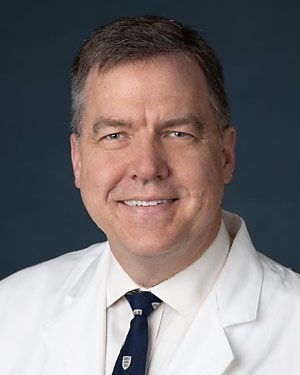
-
Ahmet Gurakar Lab
The Ahmet Gurakar Lab is interested in bioartificial liver dialysis systems and the application of total plasma exchange in the treatment of liver disorders.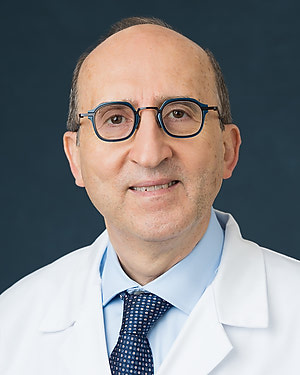
-
Alain Labrique Lab
The Alain Labrique Lab conducts research on infectious diseases and public health. Our team studies the various factors that lead to maternal and neonatal mortality, particularly in underserved populations in South Asia, using the tools of infectious disease epidemiology, molecular biology and biostatistics. We work to better understand factors such as the interface of micronutrient deficiency and maternal/infant mortality and the prevention of nosocomial infections through mechanistic or nutritional interventions. We also have a longstanding interest in technologies that may enable early detection of disease.
Principal Investigator
-
Chloe Thio Lab
Research in the Chloe Thio lab focuses on several areas. First, HBV virology and immunology in HBV monoinfected and HIV-HBV co-infected individuals that will ultimately help develop a cure for HBV. Second, HCV infection in men who have sex with men. Third, non-alcoholic fatty liver disease with a focus on HIV-infected individuals. Fourth, host genetic determinants of spontaneous HBV recovery and HCV clearance.
-
Mohamed Atta Lab
Dr. Atta and his research team explore the epidemiological and clinical interventions of a variety of kidney diseases. Our goal is not only to advance the understanding of many kidney diseases but also to capitalize on novel discoveries of basic science to treat a wide range of rare and common kidney disorders.
- Multi-international observational study of a rare form of amyloid (LECT2 amyloid) to understand its natural history with the ultimate interest of treating this condition.
- Our group has launched a project investigating the impact of COVID19 on the kidney to identify risk factors influencing outcome across different clinical phenotypes
- In collaboration with the Division of Infectious Diseases and the School of Public Health, our research has focused on the epidemiology of HIV and kidney disease. We also study clinical markers and contributing factors in the progression of kidney disease, and the association between kidney disease and heart disease.
- Our research group is participating in a multicenter consortium serving as a clinical core site to study the pathogenesis of HIV-associated kidney disease by providing well-characterized clinical specimens and corresponding clinical and laboratory data.