Research Lab Results
-
Courtney Robertson Lab
Work in the Courtney Robertson Lab is focused on identifying interventions that could minimize the neurological deficits that can persist after pediatric traumatic brain injury (TBI). One study used a preclinical model to examine potential disruption of mitochondrial function and alterations in cerebral metabolism. It was found that a substantial amount of mitochondrial dysfunction is present in the first six hours after TBI. In addition, we are using nuclear magnetic resonance spectroscopy to evaluate global and regional alterations in brain metabolism after TBI. We're also collaborating with researchers at the University of Pennsylvania to compare mitochondrial function after head injury in different clinically relevant models. -
Craig Pollack Lab
Research in the Craig Pollack Lab focuses on cancer prevention and control, particularly prostate cancer. Our work aims to understand how the organization environment of health care affects the type and quality of care that patients receive. Other work investigates the broader social context of health and health care— specifically housing, financial hardship and socioeconomic status.
-
Craig W. Hendrix Lab
Research in the Craig W. Hendrix Lab concentrates on the chemoprevention of HIV infection, clinical pharmacology of antiviral drugs, drug interactions, and oral, topical and injectable HIV microbicide development. Our lab conducts small, intensive sampling studies of PK and PD of drugs for HIV prevention with a focus on developing methods to better understand HIV and drug distribution in the male genital tract, female genital tract and lower gastrointestinal tract. We also support numerous HIV pre-exposure prophylaxis development studies from phase I to phase III, largely as leader of the Pharmacology Core Laboratory of both the Microbicide Trial Network and HIV Prevention Trials Network. -
Cynthia Boyd Lab
Research in the Cynthia Boyd Lab concentrates on the clinical care of comorbid chronically ill and frail older adults, both chronically and during acute illnesses. Current projects focus on the treatment burden among older adults with multimorbidity, the importance of competing risks in decision-making for the elderly, the effects of guided care on the quality of care and the improvement of clinical practice guidelines for the elderly.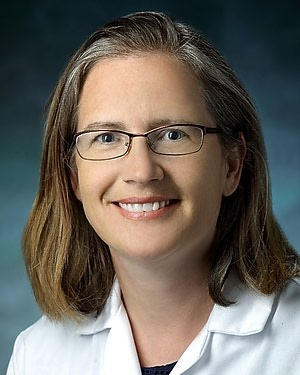
-
Cynthia Sears Laboratory
Work in the Cynthia Sears Laboratory focuses on the bacterial contributions to the development of human colon cancer and the impact of the microbiome on other cancers and the therapy of cancer. The current work involves mouse and human studies to define how enterotoxigenic Bacteroides fragilis, pks+ Escherichia coli, Fusobacterium nucleatum, biofilms and the colonic microbiota induce chronic colonic inflammation and colon cancer. Prospective human studies of the microbiome and biofilms in screening colonoscopy are in progress as are studies to determine if and how the microbiome impacts the response of individuals with cancer to immunotherapy and other cancer therapies.
-
Dagnelie Ultra Low Vision Lab
The Ultra Low Vision Lab is interested in assessing and enhancing the functional visual abilities of individuals with ultra-low vision. The lab uses psychophysical experiments to investigate innovative methods for improving visual prostheses. -
Danelle O. Cayea Lab
Researchers in the Danelle O. Cayea Lab develop and evaluate curriculum that teaches the care of older adults to residents and medical students. Our work includes older adults with complex heath issues who receive care in hospital and ambulatory environments.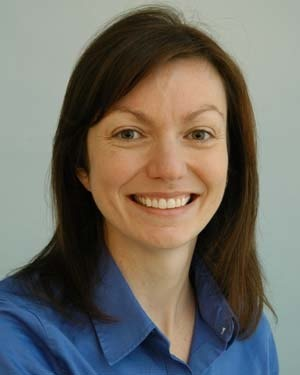
-
Daniel Brotman Lab
Research in the Daniel Brotman Lab focuses on aspects of hospital medicine such as quality improvement, patient satisfaction and perioperative medicine. We recently conducted a cohort study of hypertensive African Americans to examine how access to care, treatment ambivalence and medication non-adherence affect long-term mortality.
-
Daniel Ford Lab
Research in the Daniel Ford Lab seeks to understand the relationships between depression and various chronic medical conditions. Recently, we've focused on depression and coronary artery disease as well as tactics for improving care for patients with medical comorbidity. Our research was among the first to document depression as a risk factor for myocardial infarction and stroke. Our team is also interested in exploring how information technology can be used to improve the care of patients with depression and tobacco abuse.
-
Daniel Kuespert Lab
The Daniel Kuespert Lab conducts research on a range of topics within bioengineering. Past studies include exploring microscale behavior in amphiphilic fluid mixtures predicted by the SAFT equation as well as local order and microphase formation in fluids containing asymmetric molecules.