Research Lab Results
-
The Nauen Lab
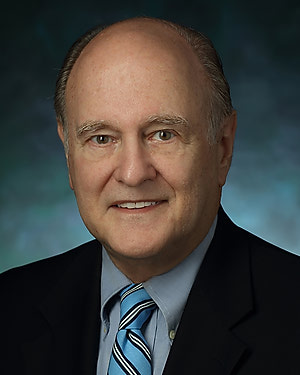
Epilepsy affects 1-3% of the population and can have a profound impact on general health, employment and quality of life. Medial temporal lobe epilepsy (MTLE) develops in some patients following head injury or repeated febrile seizures. Those affected may first suffer spontaneous seizures many years after the initial insult, indicating that the neural circuit undergoes a slow pathologic remodeling over the interim. There are currently no methods of preventing the development of MTLE. It is our goal to better understand the process in order to slow, halt, and ultimately reverse it. Our laboratory draws on electrophysiology, molecular biology, and morphology to study the contribution of dysregulated neurogenesis and newborn neuron connectivity to the development of MTLE. We build on basic research in stem cell biology, hippocampal development, and synaptic plasticity. We work closely with colleagues in the Institute for Cell Engineering, Neurology, Neurosurgery, Biomedical Engineering, and Radiology. As physician neuropathologists our grounding is in tissue alterations underlying human neurologic disease; using human iPSC-derived neurons and surgical specimens we focus on the pathophysiological processes as they occur in patients. By understanding changes in cell populations and morphologies that affect the circuit, and identifying pathologic alterations in gene expression that lead to the cell-level abnormalities, we hope to find treatment targets that can prevent the remodeling and break the feedback loop of abnormal activity > circuit change > abnormal activity. -
S.C.O.R.E. Lab
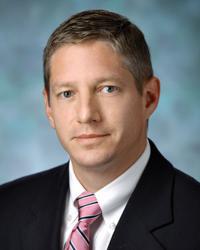
The mission of the Stroke Cognitive Outcomes and Recovery (S.C.O.R.E.) Lab is to enhance knowledge of brain mechanisms that allow people recover language, empathy, and other cognitive and communicative functions after stroke, and to improve ways to facilitate recovery of these functions after stroke. We also seek to improve the understanding of neurobiology of primary progressive aphasia., and how to enhance communication in people with this group of clinical syndromes. -
Samuel R. Denmeade Laboratory
The main research goals of my laboratory are: (1) to identify and study the biology of novel cancer selective targets whose enzymatic function can be exploited for therapeutic and diagnostic purposes; (2) to develop methods to target novel agents for activiation by these cancer selective targets while avoiding or minimizing systemic toxicity; (3) to develop novel agents for imaging cancer sites at earliest stages. To accomplish these objectives the lab has originally focused on the development of prodrugs or protoxins that are inactive when given systemically via the blood and only become activated by tumor or tissue specific proteases present within sites of tumor. Using this approach, we are developing therapies targeted for activation by the serine proteases prostate-specific antigen (PSA), human glandular kallikrein 2 (hK2) and fibroblast activation protein (FAP) as well as the membrane carboxypeptidase prostate-specific membrane antigen (PSMA). One such approach developed in the lab consists of a potent bacterial protoxin that we have reengineered to be selectively activated by PSA within the Prostate. This PSA-activated toxin is currently being tested clinically as treatment for men with recurrent prostate cancer following radiation therapy. In a related approach, a novel peptide-cytotoxin prodrug candidate that is activated by PSMA has been identified and is this prodrug candidate is now entering early phase clinical development. In addition, we have also identified a series of potent inhibitors of PSA that are now under study as drug targeting and imaging agents to be used in the treatment and detection of prostate cancer.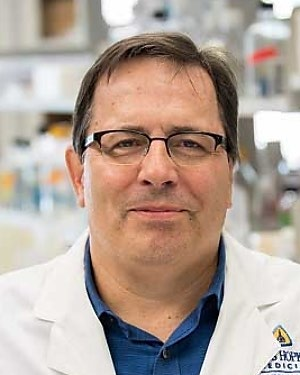
-
Sean Leng Lab
The Sean Leng Lab studies the biology of healthy aging. Specific projects focus on chronic inflammation in late-life decline; immunosenescence and its relationship to the basic biological and physiological changes related to aging and frailty in the human immune system; and T-cell repertoire analysis.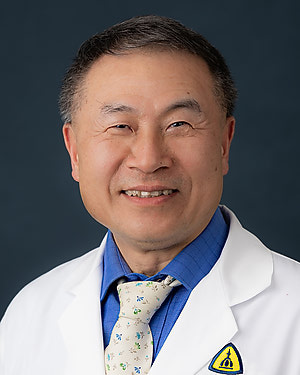
-
Shawn Lupold Laboratory
The Shawn Lupold Laboratory studies the biology of urologic malignancies, like prostate cancer, to create new experimental diagnostic, prognostic and therapeutic agents. -
Robert Wise Lab
The Robert Wise Lab conducts clinical trials to study chronic obstructive lung diseases (COPD). We investigate inhaled corticosteroids in patients with mild to moderate COPD and the effectiveness of anti-inflammatories in allowing lung growth in mild to moderate asthmatic children. Our research includes exploring the efficacy of various treatments for asthmatic women who are pregnant and of lung-volume reduction surgery for emphysema patients. We also conduct studies of the clinical epidemiology, pathobiology and treatment of interstitial lung disease in patients with scleroderma.