Research Lab Results
-
Charles Locke Lab
Research in the Charles Locke Lab focuses on the use and management of clinical resources in the evaluation and treatment of venous thromboembolic disease.
-
Charles W. Flexner Laboratory
A. Laboratory activities include the use of accelerator mass spectrometry (AMS) techniques to measure intracellular drugs and drugs metabolites. AMS is a highly sensitive method for detecting tracer amounts of radio-labeled molecules in cells, tissues, and body fluids. We have been able to measure intracellular zidovudine triphosphate (the active anabolite of zidovudine) in peripheral blood mononuclear cells from healthy volunteers given small doses of 14C-zidovudine, and have directly compared the sensitivity of AMS to traditional LC/MS methods carried out in our laboratory. B. Clinical research activities investigate the clinical pharmacology of new anti-HIV therapies and drug combinations. Specific drug classes studied include HIV reverse transcriptase inhibitors, protease inhibitors, entry inhibitors (selective CCR5 and CXCR4 antagonists), and integrase inhibitors. Scientific objectives of clinical studies include characterization of early drug activity, toxicity, and pharmacokinetics. Additional objectives are characterization of pathways of drug metabolism, and identification of clinically significant harmful and beneficial drug interactions mediated by hepatic and intestinal cytochrome P450 isoforms.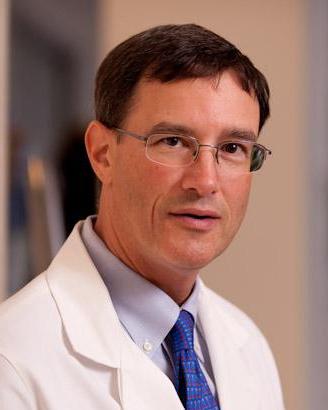
-
Charles Wiener Lab
The Charles Wiener Lab primarily conducts research on pulmonary circulation and hypoxia as well as respiratory muscle function in patients with neuromuscular diseases. Our recent studies have included investigating the treatment of pericardial effusions in patients with pulmonary arterial hypertension and examining the use of non-invasive ventilation in patients with amyotrophic lateral sclerosis (ALS). We also have an interest in medical education research. Our work in this area has included reviewing the role of academic medical centers in emerging health care markets.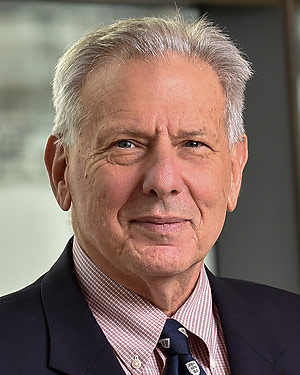
-
Charles Wiener Lab
The Charles Wiener Lab primarily conducts research on pulmonary circulation and hypoxia as well as respiratory muscle function in patients with neuromuscular diseases. Our recent studies have included investigating the treatment of pericardial effusions in patients with pulmonary arterial hypertension and examining the use of non-invasive ventilation in patients with amyotrophic lateral sclerosis (ALS). We also have an interest in medical education research. Our work in this area has included reviewing the role of academic medical centers in emerging health care markets.
-
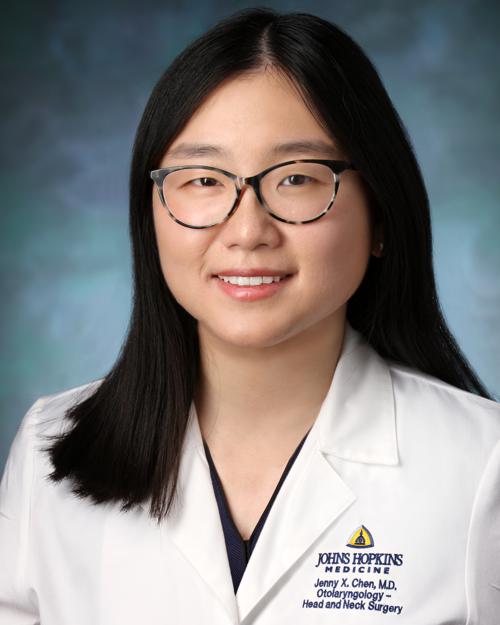
Chen Lab
Researchers in the Chen lab work on innovations in medical and surgical education. Special areas of interest include resident selection, trainee assessment, competency-based training and precision medical education. -
Cheryl Dennison Himmelfarb Lab
Research in the Cheryl Dennison Lab aims to improve cardiovascular care for high-risk groups through multidisciplinary and health information technology-based methods. Our studies focus on reducing system and provider obstacles to implementing cardiovascular guidelines in various health care environments. Additional research interests include chronic illness management, quality of care, interdisciplinary teamwork and provider behavior. -
Chester Chambers Lab
Research in the Chester Chambers Lab focuses on operations management and dynamic programming and modeling. -
Chirag Parikh Lab
Dr. Parikh's research focuses on the translation and validation of novel biomarkers for the diagnosis and prognosis of acute kidney injury. Progress in kidney diseases has been hamstrung by significant heterogeneity within the current disease definitions, which are largely based on serum creatinine. Dr. Parikh's research has addressed this critical challenge by developing biomarkers of renal tubular injury, repair, and inflammation to dissect this heterogeneity. He has assembled multicenter longitudinal prospective cohorts for translational research studies across several clinical settings of acute kidney injury and chronic kidney disease for the efficient translation of novel biomarkers.
His research is dedicated to the process of applying discoveries generated in the laboratory and in preclinical experiments, the development of clinical studies, and the design of clinical trials. Dr. Parikh's studies have refined the clinical definition in perioperative acute kidney injury and hepatorenal syndrome, developed strategies to reduce kidney discard in deceased donor transplantation, and advanced regulatory approvals of kidney injury biomarkers. He has also developed biomarkers to identify rapid progressors of early diabetic kidney disease before derangements in serum creatinine. Dr. Parikh's research goal is to translate our understanding of pathophysiological mechanisms into clinical practice and improve the outcomes in patients with kidney disease.
Dr. Parikh has also been the recipient of numerous honors, including the 2017 Young Investigator Award from the American Society of Nephrology. -
Chloe Thio Lab
Research in the Chloe Thio lab focuses on several areas. First, HBV virology and immunology in HBV monoinfected and HIV-HBV co-infected individuals that will ultimately help develop a cure for HBV. Second, HCV infection in men who have sex with men. Third, non-alcoholic fatty liver disease with a focus on HIV-infected individuals. Fourth, host genetic determinants of spontaneous HBV recovery and HCV clearance.
-
Chordoma Lab
Chordoma research is led by a comprehensive team including Gary Gallia, M.D., director of the Neurosurgery Skull Base Tumor Center. The laboratory focuses on developing new therapies for brain and skull base tumors, and has established the first primary skull base chordoma xenograft mouse model. The team is also exploring high throughput drug screening using the chordoma model, and the molecular pathways responsible for tumor maintenance and growth.