Research Lab Results
-
The Vascularized Composite Allotransplantation (VCA) Research Lab
The Vascularized Composite Allotransplantation (VCA) Research Lab is leading research aimed at warding against rejection and reducing the number of medications patients have to take for the rest of their lives. They’re testing a protocol that involves treating the patient with antibodies on the day of transplant, followed by a donor bone marrow infusion several days later. This protocol would allow patients to be treated with low doses of a single maintenance drug after being transplanted. -
Chirag Parikh Lab
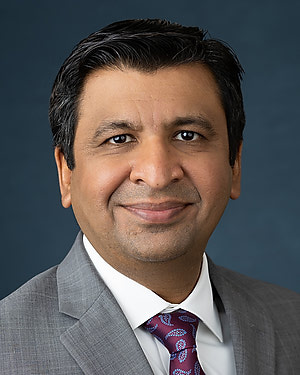
Dr. Parikh's research focuses on the translation and validation of novel biomarkers for the diagnosis and prognosis of acute kidney injury. Progress in kidney diseases has been hamstrung by significant heterogeneity within the current disease definitions, which are largely based on serum creatinine. Dr. Parikh's research has addressed this critical challenge by developing biomarkers of renal tubular injury, repair, and inflammation to dissect this heterogeneity. He has assembled multicenter longitudinal prospective cohorts for translational research studies across several clinical settings of acute kidney injury and chronic kidney disease for the efficient translation of novel biomarkers.
His research is dedicated to the process of applying discoveries generated in the laboratory and in preclinical experiments, the development of clinical studies, and the design of clinical trials. Dr. Parikh's studies have refined the clinical definition in perioperative acute kidney injury and hepatorenal syndrome, developed strategies to reduce kidney discard in deceased donor transplantation, and advanced regulatory approvals of kidney injury biomarkers. He has also developed biomarkers to identify rapid progressors of early diabetic kidney disease before derangements in serum creatinine. Dr. Parikh's research goal is to translate our understanding of pathophysiological mechanisms into clinical practice and improve the outcomes in patients with kidney disease.
Dr. Parikh has also been the recipient of numerous honors, including the 2017 Young Investigator Award from the American Society of Nephrology. -
Christine Durand Lab
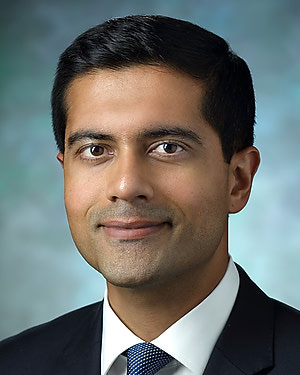
Dr. Christine Durand, assistant professor of medicine and oncology and member of the Johns Hopkins Kimmel Cancer Center, is involved in clinical and translational research focused on individuals infected with HIV and hepatitis C virus who require cancer and transplant therapies. Her current research efforts include looking at outcomes of hepatitis C treatment after solid organ transplant, the potential use of organs from HIV-infected donors for HIV-infected solid organ transplant candidates, and HIV cure strategies including bone marrow transplantation. Dr. Durand is supported by multiple grants: • R01 from the National Institute of Allergy and Infectious Diseases (NIAID) to study HIV-to-HIV organ transplantation in the US. • K23 from the National Cancer Institute (NCI) to study antiretroviral therapy during bone marrow transplant in HIV-1 infection. • U01 from the NIAID to study HIV-to-HIV deceased donor kidney transplantation. U01 from the NIAID to study HIV-to-HIV deceased donor liver transplantation.
-
Vikesh Singh
The Singh lab does clinical and translational research on pancreatic islet isolation and transplantation as well as acute and chronic pancreatitis.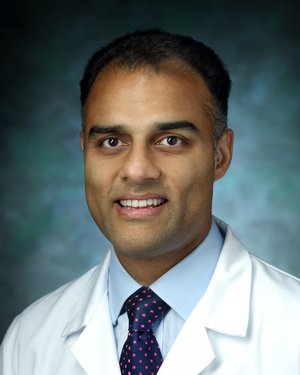
-
Victor Chen Lab
The Victor Chen Lab performs clinical research on alcohol use disorder, alcohol-associated liver disease, and transplantation.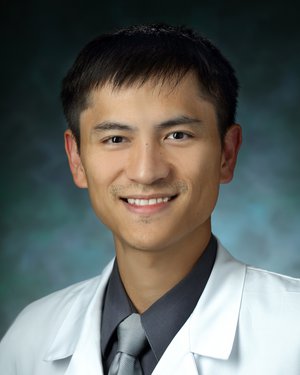
-
Krummey Lab
The Krummey Lab is a part of the Department of Pathology at the Johns Hopkins School of Medicine.
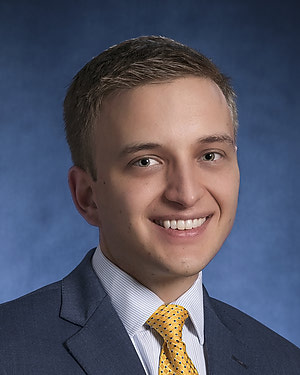
Our research prioritizes understanding the cellular mechanisms of alloimmunity, with a concentration on manipulating various cosignaling receptors and antigen recognition pathways to restrain the key lymphocytes principally involved in graft rejection. With the use of MHC tetramers, transgenic mouse models, and high-dimensional flow cytometry, we focus on mouse- and human-graft specific CD8+ T cells, CD4+ T cells, and B cells.
Transplantation is a life-saving procedure against a variety of diseases. Despite technical advances vastly improving early outcomes after transplant, long-term survival of transplanted organs has remained stagnant for the better part of three decades. A major cause of graft loss is immune-mediated rejection, which traditionally has be classified as acute or chronic based on its occurrence early or late after transplantation. Recently, this consensus has shifted to defining a graft rejection by its immunologic characteristics, either antibody-mediated or T cell-mediated (cellular rejection). This is because modern discoveries have identified the true major contributor to graft failures that occur many years after transplantation: not chronic rejection, but rather the cumulative impact of T cell-mediated acute rejection as a risk factor for later graft loss. Thus, original approaches to specifically prohibit and/or treat T cell-mediated acute rejection are of major significance for improving post-transplant outcomes.
HLA compatibility has also proven to be paramount for graft rejection. Originally, this was believed to be at the cellular level, then the single HLA protein level, and now at the epitope or molecular mismatch level. Specifically, HLA class II epitope-level mismatch has been identified as a risk factor for graft rejection, and multiple studies have identified specific epitopes within HLA class II peptides that are thought to be highly pathogenic. Few techniques directly measure antibody responses against specific regions of HLA proteins, but such measurements could provide both new information about the strength and character of alloimmunity and serve as an important new tool to study allogeneic B cells and antibody-secreting cells.
-
Tinsay Woreta
The Woreta Lab does clinical and translational research on Hepatocellular Carcinoma; Liver Transplantation Outcomes; Chronic Viral Hepatitis.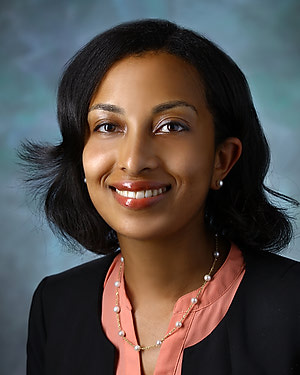
-
Richard John Jones Lab
The Richard J. Jones Lab studies normal and cancerous stem cells in order to make clinical improvements in areas such as blood and marrow transplantation (BMT). We discovered one of the most common stem-cell markers, Aldefluor, which identifies cells based on their expression of aldehyde dehydrogenase 1 (ALDH1), and have used this marker to detect and characterize normal stem cells and cancer stem cells from many hematologic malignancies. We also developed post-transplant cyclophosphamide and effective related haploidentical BMT.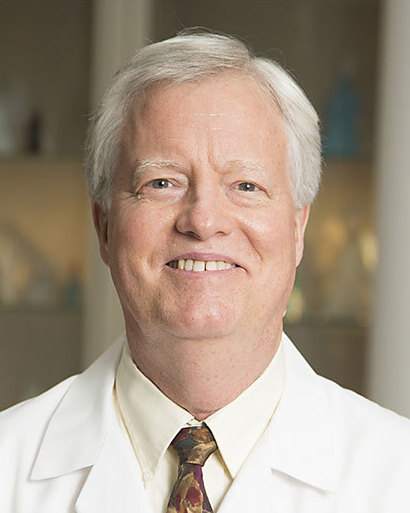
-
Singh Lab: Stem Cell Transplant Group
The goal of the Singh Lab is to cure retinal degeneration due to genetic disease in patients. There are many retinal diseases such as Stargardts, Macular Degeneration, and Retinitis Pigmentosa, that are currently incurable. These diseases damage and eventually eliminate photoreceptors in the retina. The lab's aim is to take healthy photoreceptors derived from stem cells and transplant them into the patient’s retina to replace the lost photoreceptors. The transplanted photoreceptors are left to mature, make connections with the recipient’s remaining retina, and restore vision. Further, the lab is most interested in the cone-photoreceptor rich region of the macula, which is the central zone of the human retina, enabling high-acuity vision for tasks such as facial recognition and reading. -
Amy Kim Lab
The Amy Kim lab performs basic, translational, and clinical research on liver lesions and hepatocellular carcinoma (HCC). She uses state of the art techniques such artificial intelligence enhanced interpretation of pathology and imaging, as well as detection of circulating tumor cells for early detection and prediction of recurrence of HCC after resection and liver transplantation.