Research Lab Results
-
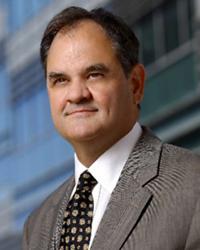
Pablo Iglesias Lab
Investigators in the Pablo Iglesias Lab use analytic tools from control systems and dynamical systems to study cell biology, including biological signal transduction pathways. Our research interests include the ways cells interpret directional cues to guide their motion, regulatory mechanisms that control cell division, and the sensing and actuation that enable cells to maintain lipid homeostasis. -
Guang William Wong Lab
The Wong Lab seeks to understand mechanisms employed by cells and tissues to maintain metabolic homeostasis. We are currently addressing how adipose- and skeletal muscle-derived hormones (adipokines and myokines), discovered in our lab, regulate tissue crosstalk and signaling pathways to control energy metabolism. We use transgenic and knockout mouse models, as well as cell culture systems, to address the role of the CTRP family of hormones in physiological and disease states. We also aim to identify the receptors that mediate the biological functions of CTRPs.
-
James Hamilton Lab
The James Hamilton laboratory performs pre-clinical experiments and basic studies investigating liver inflammation, fibrosis, and nuclear receptor signaling. In close collaboration with Dr Svetlana Lutsenko in Physiology, their team performs detailed studies of hepatocyte and non-parenchymal cell isolation, culture, biology and genetic manipulation. Working with models of Wilson disease, a disorder of copper overload, they discovered that hepatic nuclear receptor mediated control of lipid metabolism is a preferential and early target of copper toxicity. Furthermore, targeting nuclear receptors with pharmacologic agonists prevents and reverses liver inflammation and fibrosis.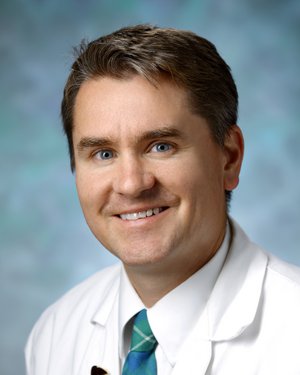
-
Varsha Singh
The Singh Lab does basic and translational research on intestinal ion transport, cellular physiology, and membrane trafficking in diabetic disorders and cystic fibrosis. Her work is currently focused on characterizing the role of early endosomal-PX domain binding protein Sorting Nexin-17 in intestinal fluid homeostasis and epithelial cell physiology. -
Joanna Melia Lab
The Melia lab performs basic, translational, and clinical research on inflammatory bowel disease. Specifically, Dr Melia's basic science and translational research program is concentrated on novel roles of manganese (Mn) homeostasis in Crohn's disease and the interaction with aberrant N-glycosylation with current support from NIDDK and NICHD, including support as a co-investigator in the Center for Metals in Nutrition and Development.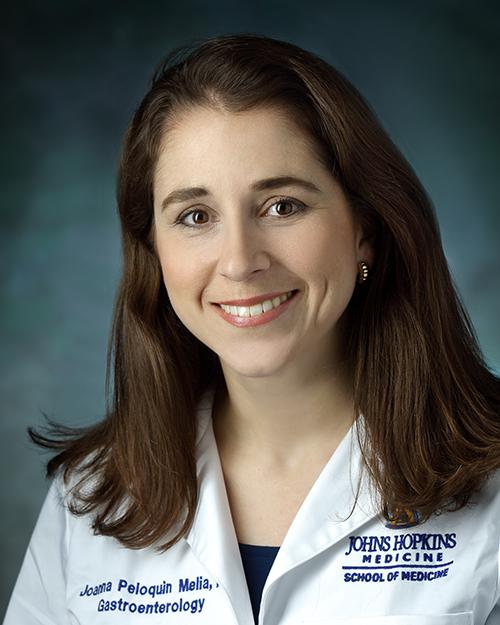
-
Gregg Semenza Lab
The Gregg Semenza Lab studies the molecular mechanisms of oxygen homeostasis. We have cloned and characterized hypoxia-inducible factor 1 (HIF-1), a basic helix-loop-helix transcription factor. Current research investigates the role of HIF-1 in the pathophysiology of cancer, cerebral and myocardial ischemia, and chronic lung disease, which are the most common causes of mortality in the U.S.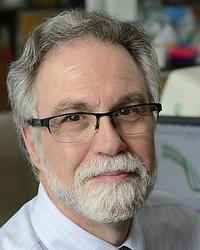
-
Dwight Bergles Laboratory
The Bergles Laboratory studies synaptic physiology, with an emphasis on glutamate transporters and glial involvement in neuronal signaling. We are interested in understanding the mechanisms by which neurons and glial cells interact to support normal communication in the nervous system. The lab studies glutamate transport physiology and function. Because glutamate transporters play a critical role in glutamate homeostasis, understanding the transporters' function is relevant to numerous neurological ailments, including stroke, epilepsy, and neurodegenerative diseases like amyotrophic lateral sclerosis (ALS). Other research in the laboratory focuses on signaling between neurons and glial cells at synapses. Understanding how neurons and cells communicate, may lead to new approaches for stimulating re-myelination following injury or disease. Additional research in the lab examines how a unique form of glia-to-neuron signaling in the cochlea influences auditory system development, whether defects in cell communication lead to certain hereditary forms of hearing impairment, and if similar mechanisms are related to sound-induced tinnitus. -
Enid Neptune Lab
Work in the Enid Neptune Lab focuses on topics within the fields of pulmonary and critical care medicine. Our research centers primarily on therapeutic strategies for Marfan syndrome and hepatocyte growth factor signaling in airspace homeostasis. We also conduct research on chronic obstructive pulmonary disease (COPD), with a focus on its mechanisms and potential methods for preventing its progression. Our research within critical care has most recently involved investigating superoxide dismutase 3 dysregulation in neonatal lung injuries.
-
Espenshade Lab
The Espenshade Lab uses a multi-organismal and multidisciplinary approach to understand how eukaryotic cells measure insoluble lipids and dissolved gases. We have chosen cholesterol and oxygen as our model molecules, based on their essential roles in cell function and the importance of their proper homeostasis for human health. -
Landon King Lab
The Landon King Lab studies aquaporins water-specific membrane channel proteins. We hope to understand how these proteins contribute to water homeostasis in the respiratory tract and how their expression or function may be altered in disease states.