-
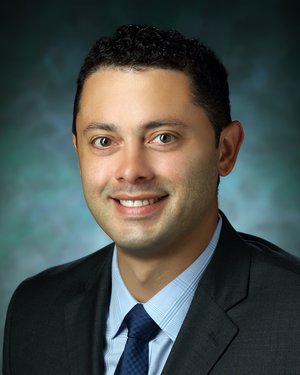
Christos S. Georgiades, MD PhD
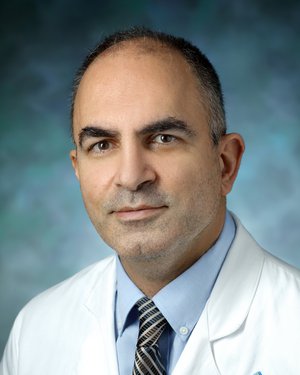
- Director of Interventional Oncology
Expertise: Interventional Radiology
Our multidisciplinary program is dedicated to the diagnosis and treatment of children affected by median arcuate ligament syndrome (MALS) and superior mesenteric artery syndrome (SMAS). Bringing together experts in surgery, interventional radiology, vascular surgery and gastroenterology, the program provides coordinated, patient-centered care with a focus on excellent outcomes.
Leveraging the latest minimally invasive techniques, our team is committed to delivering the safest and most effective therapies for these complex vascular compression syndromes.

Conditions Treated
-
Median arcuate ligament syndrome (MALS) is a rare disease that occurs when the tissue in the upper belly area (median arcuate ligament) presses on the celiac artery, which sends blood to the stomach, spleen and liver, and the network of surrounding nerves (celiac plexus). This can result in intense stomach pain after eating.
-
Superior mesenteric artery syndrome (SMAS) is a rare disease that occurs when the area of the small intestine connecting to the stomach (duodenum) is pinched by two arteries. This can result in difficulty digesting food and liquids and/or backup in the digestive system, leading to sharp stomach pain and malnutrition.
-
Nutcracker syndrome is a rare condition that affects the vein that moves blood from the kidney to the heart. Two arteries pinch part of this vein, raising blood pressure in the vein and causing blood to flow the wrong way. This results in other veins swelling, which can lead to blood clots, kidney damage, infertility and sharp pain in the abdomen.
Tests and Treatments Offered
Diagnostic Tests
- Duplex ultrasound: evaluates blood flow through the arteries and veins.
- CT angiography: combines a CT scan with an injection of a special dye to produce pictures of blood vessels and tissues.
- Upper GI series: X-ray examination of the upper gastrointestinal (GI) tract
Treatment Options
- Robotic surgery – Robotic surgery is designed to offer a minimally invasive and highly precise approach to alleviate the instances of compression in either MALS, SMAS or nutcracker syndrome.
- MALS release: To treat some instances of MALS, parts of the median arcuate ligament are cut to reduce compression on the celiac artery and nerve system.
- Duodenojejunostomy: To treat some instances of SMAS, a new connection is made in the small intestine to bypass the area of blockage.
- Strong procedure: To treat some instances of SMAS, the duodenum is moved to avoid the pinching from nearby arteries.
- Celiac plexus block: a nerve block injection into the celiac plexus (a group of nerves in the upper abdomen affected by MALS) that temporarily stops the nerves from sending pain signals to the brain.
- Vascular stents: a small, typically mesh, tube that keeps blood vessels open to restore or maintain blood flow.
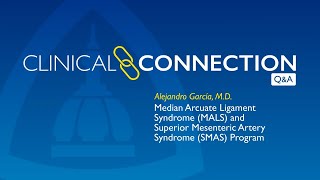
MALS and SMAS Program Q&A
General pediatric surgeon Alejandro Garcia answers common questions about the MALS & SMAS Program at Johns Hopkins Children’s Center.
Why Choose Johns Hopkins
High Volume Center
Our program has seen pediatric patients from across the United States to receive diagnosis and treatment.
Latest Surgical Technologies
We offer the latest in cutting edge robotic surgery options for the treatment of MALS, SMAS and associated conditions.
Pediatric Expertise
Our experts are specially trained to care for children and teens. We have experts in interventional radiology and celiac plexus block treatment, as well as vascular surgery techniques.
Our Team


Locations for Care
Consult Locations
David M. Rubenstein Child Health Building
200 N Wolfe St
Baltimore, MD 21287

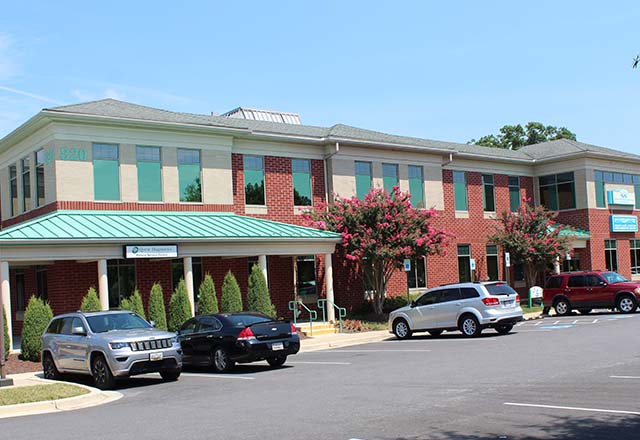
Johns Hopkins Pediatric Specialty Clinic at Annapolis
820 Bestgate Rd, Suite 2D
Annapolis, MD 21401
Surgery Location
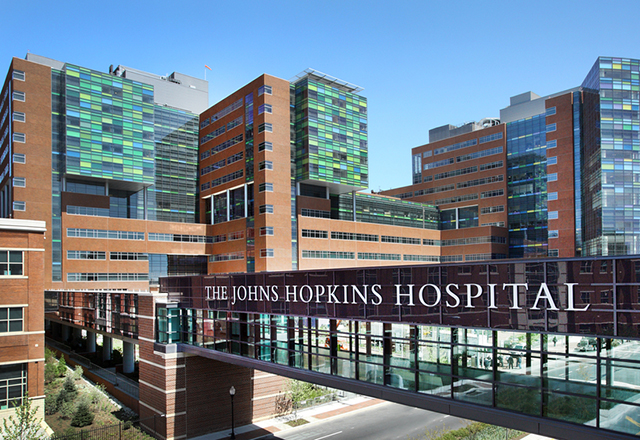
Johns Hopkins Children’s Center
The Charlotte R. Bloomberg Children's Center
1800 Orleans St, Room 2201
Baltimore, MD 21287