Treating Children with MALS and SMAS: From Answers to Relief
Johns Hopkins program treats hard-to-diagnose conditions affecting the gastrointestinal tract.
March 13, 2026
For children and teens having unexplained abdominal pain, nausea and difficulty eating, it can be very hard to keep up with school and after-school activities, let alone feel like spending time with friends.
These symptoms and struggles are often the circumstances of children who deal with two gastrointestinal-related conditions known as median arcuate ligament syndrome (MALS) and superior mesenteric artery syndrome (SMAS). With both conditions, patients experience a mix of abdominal pain, nausea, vomiting and weight loss due to inability to eat, among other symptoms.
It can take years and visits with several doctors before getting an accurate diagnosis of either condition.
Key Points
- Children with MALS or SMAS experience a mix of abdominal pain, nausea, vomiting and weight loss due to inability to eat, among other symptoms.
- Johns Hopkins Children’s Center's Pediatric MALS and SMAS Program is a multidisciplinary clinic that diagnoses and treats children with symptoms of those conditions.
- After nine months without a diagnosis, teenager Keara Kish was diagnosed with MALS which required two surgeries to relieve the symptoms.

Creating a Program Specializing in MALS and SMAS
Recognizing the dilemma these patients face, Johns Hopkins Children’s Center launched the Pediatric MALS and SMAS Program, a multidisciplinary program dedicated to the diagnosis and treatment of these conditions.
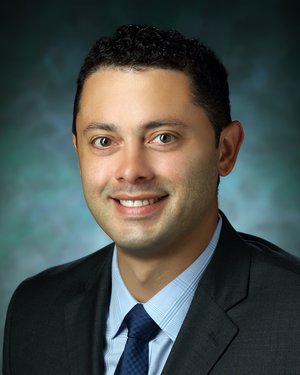
“It’s sort of a one-stop shop for patients dealing with these conditions,” says pediatric surgeon Alejandro Garcia, director of the program.
MALS occurs when the tissue in the upper belly area (median arcuate ligament) presses onto the celiac artery, which sends blood to the stomach and surrounding nerves. MALS is not a common condition; however, recent studies show that it may affect more people than initially thought as diagnosis becomes wider reaching.
SMAS occurs when the area of the small intestine connecting to the stomach (duodenum) is pinched by two arteries. A rare condition, it is estimated to affect .13% to .3% of people worldwide.
The program treats around 20 patients with these conditions each year.
Because of the complexity of the conditions, input is often required from specialists in general surgery, vascular surgery, interventional radiology and gastroenterology. The convenience of having this collection of expertise under one roof is a huge advantage to families who come from all over the country to receive care.
The multidisciplinary team has the expertise to:
- Evaluate a patient’s symptoms and medical history.
- Perform diagnostic tests to confirm the presence of MALS or SMAS.
- Provide treatment for patients who have a confirmed diagnosis from their primary care doctor or a specialist.
“Our team of specialists can have a conversation about the treatment of some of the more complex cases, because some of these patients have other medical conditions that don’t make them straightforward candidates for surgery,” says Garcia “Having everyone here to talk about the options makes it convenient for families."
Added Challenges for Pediatric Care
Due to the rarity of the conditions, there are not many programs in the country that specialize in treating MALS or SMAS — and fewer are for children.
Another challenge is that symptoms presented can appear to some doctors as the makings of an eating or other behavioral disorder, leading to a misdiagnosis that leaves children feeling confused and not listened to.
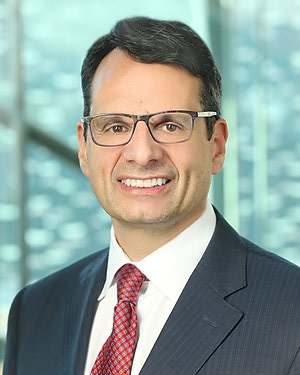
“[The program] provides validation for what is often a very mysterious set of symptoms,” adds David Hackam, surgeon-in-chief and co-director of Johns Hopkins Children’s Center. “The comprehensive team approach provides medical, surgical and — also importantly — emotional support.”
After successfully treating children with MALS and SMAS for years, the team noticed a steady increase in patient families and referring doctors looking for answers to these symptoms. This rise in demand showed that these cases required a program with the expertise and understanding of these conditions that the team already had.
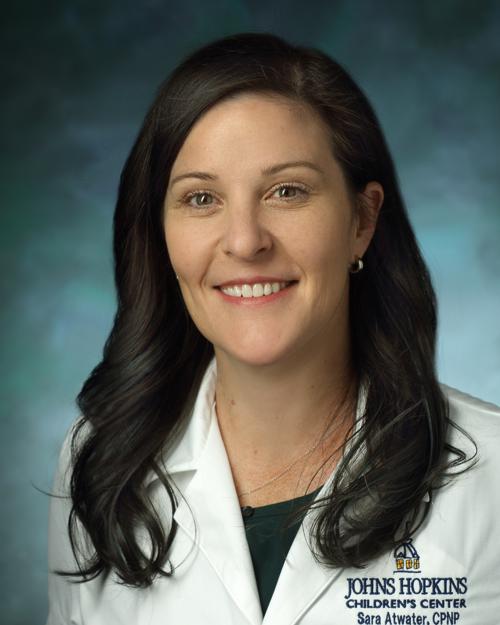
“A lot of these patients are people who have had second and third opinions, or have had ongoing issues that they can’t get to the bottom of,” says nurse practitioner Sara Atwater. “They are looking for a provider who is able to diagnose what is going on with them, and who believes them and can hopefully treat them to improve their quality of life.”

A Teen’s Medical Dilemma
At 13 years old, Keara Kish began to feel symptoms of nausea and discomfort in her stomach. It progressed to loss of appetite and inability to keep food in her stomach after eating and exercise. After months of attempts to reduce symptoms by her local pediatrician, there was still no answer to what was ailing her.
“Day-to-day life became very challenging, the worse that it got,” remembers Keara. “Playing soccer was very hard on my body. At school, I had a lack of motivation, I was absent a lot of days. Getting out of bed, showering, trying to get myself to eat — everything that had seemed so easy had become extremely difficult.”
Keara and her family were referred to Johns Hopkins Children’s Center. There, she saw a pediatric gastroenterologist who called for additional testing, including for a disease known as MALS — a condition Keara and her parents, Kevin and Kathy, hadn’t heard of until then. At that point, it had been nine months without a diagnosis.
“I thought, there’s definitely no way I have this,” says Keara. “So, when I found out that I did actually have MALS, it was hard to process.”
Following the diagnosis in September 2023, Keara was referred to the program to discuss treatment options. The severity of her MALS required surgical treatment for the then high school freshman.
“It all felt very unreal going through the whole process of getting a diagnosis for something that I had no idea existed, then knowing that surgery was going to be the next step,” says Keara.
Keara underwent robotic MALS release surgery. Garcia — a specialist in robotic surgery — performed the procedure, during which parts of the median arcuate ligament are cut to reduce compression on the celiac artery and nerve system. Just days after the procedure, Keara was able to eat again without issue, and even returned to the soccer field six weeks later before playing a season of lacrosse.
About nine months after the surgery, though, all of the initial symptoms returned.
Tests showed that the MALS had remained, this time due to scar tissue buildup in the celiac artery. A second surgery was performed in December 2024. This time, the rarer open-surgery technique was performed to remove the scar tissue and some additional nerves causing issue.
Though it took Keara longer to recover from the open surgery, her MALS symptoms subsided and have not returned. She returned to playing sports the following spring, a welcome return to some of the normalcy lost when the symptoms began.
“I feel like most people who have MALS are kind of struggling silently,” says Keara. “Especially as a teenager, you just feel so out of place, and no one really understands. It’s hard not to feel alone, because I know that I did.”
Validation, and Relief from Complex Gastrointestinal Problems
For people like Keara struggling with those emotions, the program started by Garcia and Hackam seeks to offer not just answers, but relief from the physical and emotional distress.
“The care that Keara has received and the overall experience has been so positive,” says Keara’s mom, Kathy. “Many people struggle with just being heard, and we felt like they heard Keara.”
For Garcia and team, knowing that more and more families are getting this validation is proof that the program’s purpose is fulfilled.
“This is a legitimate team,” adds Garcia. “We take our patients’ situations seriously, and are pleased we’ve been able to help families navigate these difficult conditions.”
Medically reviewed by Alejandro Garcia, M.D., Sara Atwater, CRNP and David Hackam, M.D., Ph.D.
Pediatric MALS and SMAS Program